
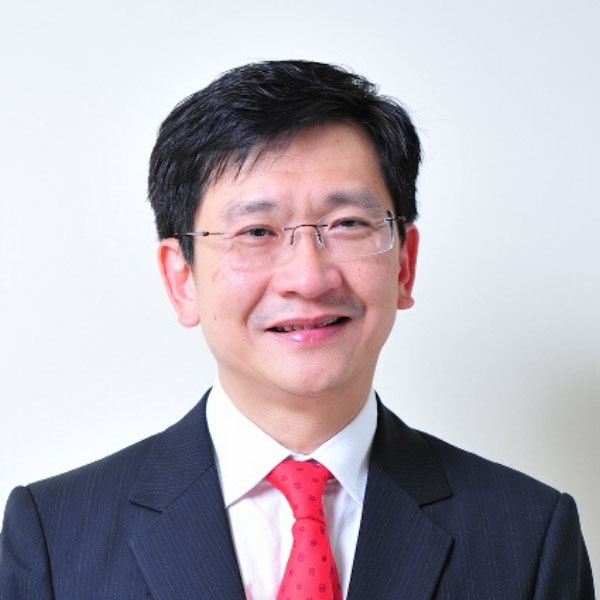
Are you or someone you know finding it hard to get pregnant? We sit down with DR YEONG CHENG TOH, an experienced fertility specialist in Singapore at IVF(SG), who walks us through the ins and outs of navigating infertility – from causes and common misconceptions to treatment options.
My partner and I are young and healthy. Why is it so hard to get pregnant?
Trying to conceive can be frustrating when you’re young, healthy and doing everything right. While most couples conceive within a year, fertility is influenced by multiple factors, making conception more complex than it seems. Infertility isn’t just a female issue – both partners play a role.
Conditions like PCOS, endometriosis, hormonal imbalances or blocked fallopian tubes can make it harder to get pregnant. For a successful pregnancy, a woman needs to have:
- Regular ovulation – consistent menstrual cycles indicate egg release
- Balanced hormones – oestrogen and progesterone regulate reproductive health
- Unobstructed fallopian tubes – essential for egg and sperm to meet
- Healthy uterine lining – necessary for embryo implantation
Low sperm count, poor motility, abnormal morphology or blockages in the reproductive tract can all impact fertility. For the male, he must have:
- Healthy sperm production – adequate count, movement (motility) and shape (morphology)
- Balanced hormones – testosterone and other hormones regulate sperm production
- No blockages to sperm transport

For about one in 10 couples, all standard fertility tests appear normal, yet pregnancy still doesn’t happen. This is known as unexplained infertility. Possible underlying causes may include:
- Subtle egg quality issues undetectable through routine testing
- Problems with fertilisation due to the egg’s outer layer
- Sperm abnormalities that standard tests don’t detect
- Implantation issues preventing the embryo from attaching
- Undiagnosed immune system factors affecting pregnancy
The silver lining? Couples with unexplained infertility often have higher success rates with fertility treatments. This suggests that even small obstacles can often be overcome with the right approach.
If you’ve been trying for one year (or six months if you’re over 35) without success, it may be time to consult a fertility specialist in Singapore for a screening to help identify any underlying concerns and determine the best path forward through lifestyle adjustments, medication or assisted reproductive treatments.
As a fertility specialist in Singapore, what are some common misconceptions about infertility you’ve noticed? And what does science actually say?
Though infertility affects millions of people worldwide, it remains shrouded in misconceptions. Here are some common myths, contrasted with scientific evidence.
Myth #1: Relaxing or “just not trying so hard” will help you get pregnant.
Reality: While chronic stress can affect hormonal balance, simply “relaxing” doesn’t cure medical fertility issues. This myth often leads to unwarranted guilt and frustration. Medical conditions like endometriosis, PCOS or blocked fallopian tubes don’t resolve with stress reduction alone. That said, incorporating stress management techniques can support overall well-being during fertility treatment.
Myth #2: Past use of birth control makes it hard to get pregnant.
Reality: Hormonal contraceptives don’t impair future fertility. While some women may experience temporary delays in ovulation after discontinuing hormonal birth control, fertility typically returns within a few months. There is no difference in pregnancy rates between women who used hormonal contraception and those who didn’t.

Myth #3: You’re not infertile until you’ve been trying for at least a year.
Reality: While fertility specialists in Singapore use the one-year benchmark for couples under 35, this doesn’t mean concerns shouldn’t be addressed sooner, especially if risk factors exist. Women over 35 should seek evaluation after six months, and those over 40 might benefit from immediate consultation. Certain conditions – like known endometriosis, a history of pelvic inflammatory disease, or irregular cycles – warrant earlier evaluation.
Myth #4: Infertility runs in families.
Reality: While genetics can play a role in some cases of infertility, it’s essential to understand that it’s not always hereditary. Being part of an “infertile family” doesn’t necessarily mean you will be infertile as well. Age and medical conditions are some of the most relevant predictors of fertility.
How do we know which fertility treatment is right for us?
There are so many options, from medication to IUI and IVF. Determining the optimal fertility treatment can feel overwhelming, but this decision is typically guided by a structured approach that considers multiple factors unique to each couple’s situation.
Initial screening – This includes hormone panels, semen analysis and imaging of reproductive organs. These diagnostics help identify specific causes of infertility, which directly inform treatment recommendations.
Stepped approach – Most fertility specialists in Singapore follow a progressive strategy, starting with less invasive and less expensive options before advancing to more complex treatments:
#1 Lifestyle modifications: Often, the first recommendation involves optimising health through nutrition, exercise, stress management and addressing factors like smoking or excessive alcohol consumption.
#2 Medication: For many women finding it hard to get pregnant, particularly those with ovulatory disorders, fertility medications may be the first medical intervention. These can range from oral medications like clomiphene citrate or letrozole to injectable gonadotropins.
#3 In vitro fertilization (IVF): When simpler treatments fail, or in cases of severe male factor infertility, blocked fallopian tubes, advanced endometriosis, or diminished ovarian reserve, IVF may be recommended.

Key decision factors – Several crucial elements influence which treatment path is appropriate:
Age: This is perhaps the most critical factor, as fertility declines significantly with age, particularly after 35. Older patients may move to more aggressive treatments sooner.
Diagnosis: The specific causes of infertility heavily dictate treatment approaches.
Duration of infertility: Couples who have been trying longer may be advised to progress more quickly to advanced treatments.
Prior treatments: Response to previous interventions helps guide the next steps.
The final decision typically emerges from an ongoing dialogue between you and your fertility specialist in Singapore, taking into account both clinical factors and personal preferences.
About this fertility specialist in Singapore
Dr Yeong Cheng Toh is the Medical Director at IVF(SG). He is a consultant gynaecologist and reproductive endocrinologist who has been working in the field of IVF since 2000.
IVF(SG)
#06-04 Scotts Medical Center @ Pacific Plaza, 9 Scotts Road
6817 5731 | WhatsApp 8511 4633 | ivfsg.com.sg
Liked this interview with a fertility specialist in Singapore on infertility, IVF and more? Head to our Health & Fitness section for more health tips.
To make the most of living in Singapore, read our latest City Guide here for free!
Don't miss out on the latest events, news and
competitions by signing up to our newsletter!
"*" indicates required fields