
XCL World Academy (XWA) has a diverse student body spanning all kinds of different backgrounds, cultures and abilities, and it goes out of its way to ensure that every student feels supported and valued through pastoral care, emotional regulation and more. Dean of Student Life for Secondary School & Designated Safeguarding Lead, CLAIRE RIMMER, and Dean of Student Life and Safeguarding Lead for Early and Primary Years, SREEDHARAN VIJAYAMOHAN, tell us more.
What makes a “safe and inclusive environment” at XWA?
At XWA, a safe and inclusive environment means that students feel valued regardless of background or ability. As such, the school is continually working on building a strong culture of belonging, respect, and inclusion.
Our school takes a proactive approach in pastoral care, counselling and social-emotional learning, helping students build resilience, confidence and strong relationships.
Student wellbeing is embedded into everyday school life rather than as an add-on. The idea is to enable tracking, ensuring that students feel comfortable talking to trusted adults and early intervention before concerns escalate.
This is achieved through clear wellbeing and safeguarding systems that support students, including:
- trusted adults
- homeroom teachers
- counsellors
- pastoral teams
- Student Support Team
- safeguarding leads
When there are conflicts, restorative approaches help students build empathy and positive relationships. Behaviour conversations are framed around clarity, reflection, accountability, empathy, repair and learning.
The focus is not only on consequences, but on helping students understand impact and build better choices. Inclusion is about students feeling known, seen, heard and supported.
How is wellness embedded across the grades?
Wellness is embedded into daily routines, relationships and classroom culture. Here’s a closer look at how it looks across the different grades at XWA.
Focusing on emotional safety in the Early Years
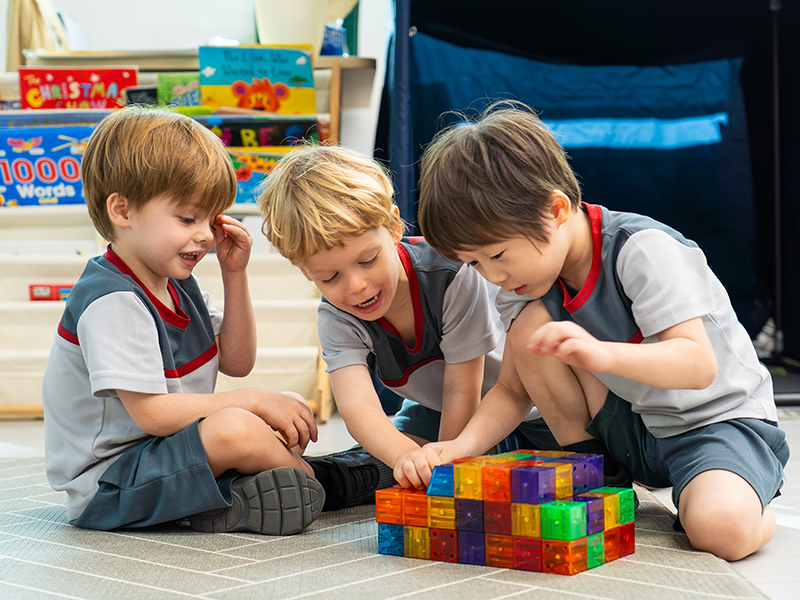
The school’s emphasis is on helping Early Years children feel safe, connected and ready to explore. This means focusing on the emotional safety, routines and play-based wellbeing of the youngest students.
It begins from teachers who help children recognise emotions through emotional language, visual cues and predictable routines. Children engage in play-based social learning that builds friendships and develops confidence. Wellbeing is further supported by strong home-school communication.
Guiding restorative conversations for building relationships in Primary School
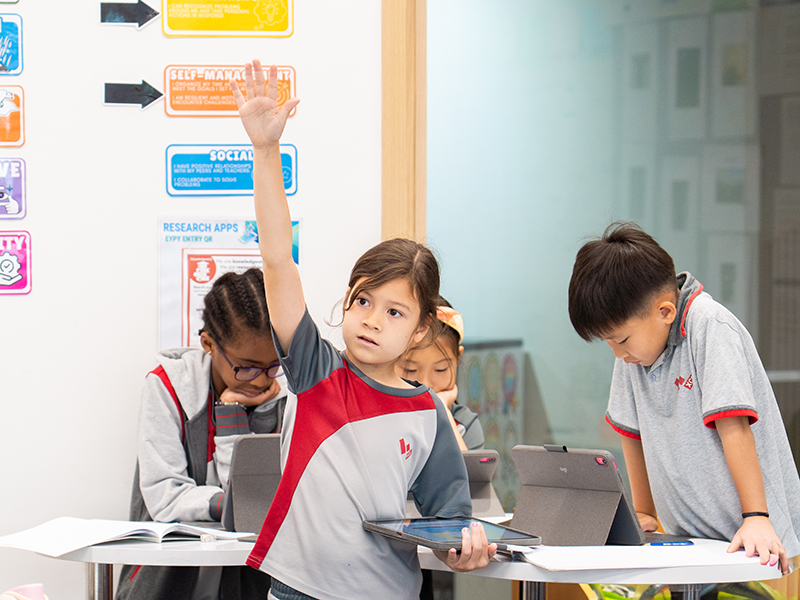
Wellbeing is embedded in daily class culture, starting with Morning Meetings, which are a key structure in the Primary Years. Besides building classroom community and readiness for learning, Morning Meetings develop empathy, listening skills and empathy. Through this, student voice is supported, which leads to a sense of belonging.
Teachers in Primary Years proactively monitor friendships, engagement, transitions, confidence and emotional regulation. They use shared language around expectations, kindness, responsibility and help-seeking.
In cases where students are repairing relationships, teachers support them through restorative conversation that guides them in understanding the impact of their choices.
Where needed, teachers will support students with regular check-ins, PSHE (Personal, Social, Health and Economic education), SEL (Social and Emotional Learning), mindfulness, friendship-building and resilience activities.
Grade-level assemblies are also used to respond to emerging themes such as friendships, digital safety, kindness, conflict, respect and student responsibility
Navigating transitions for life beyond school in the Middle and High School years
The focus shifts to identity, independence, resilience and balance for High School students as they prepare for life beyond school. Students usually need support when developing a different kind of self-advocacy, and navigating peer, family and mentor relationships.
As students navigate through exams and transitions, XWA has advisory systems and trusted adults supporting them with wellbeing lessons, mentoring, counselling and stress-management.
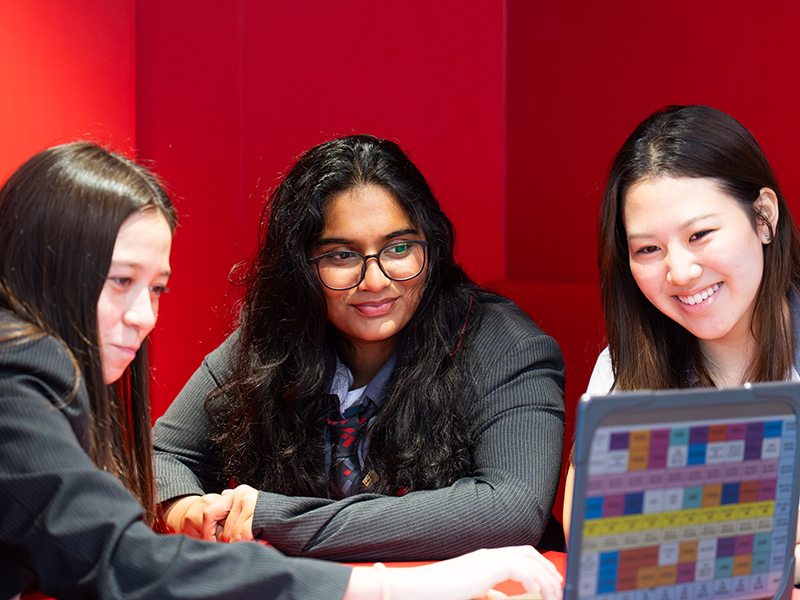
We also reinforce the need to be upstanders with the community. Besides modelling good behaviour in actions and language, students are also holding each other accountable, emphasising that negative interactions are not appropriate or tolerated.
A huge focus of the school is on mutual respect amongst peers. We have found working closely with our student council, mentors and students in other leadership positions has helped build a network of trust and understanding. This also adds to our proactive approach towards wellbeing in school.
How does the school involve parents in supporting their child’s wellbeing?
Staff and teachers also use the school’s bespoke Komodo Wellbeing app to track a child’s wellbeing. Every two weeks, students complete brief wellbeing check-ins that help staff identify patterns or changes in emotional wellbeing, stress, belonging or engagement over time. Questions are tailored to be age-appropriate and need-specific, depending on the previous data we have received from students and the time of the year.
Komodo is used as a tool to inform the support and enable early conversations. It’s used in conjunction with other methods of checking in and monitoring. Used together, the support becomes proactive, rather than waiting until concerns escalate. We also use Komodo data to inform and tailor our PSHE (Personal, Social, Health Education) programme and weekly Assemblies.
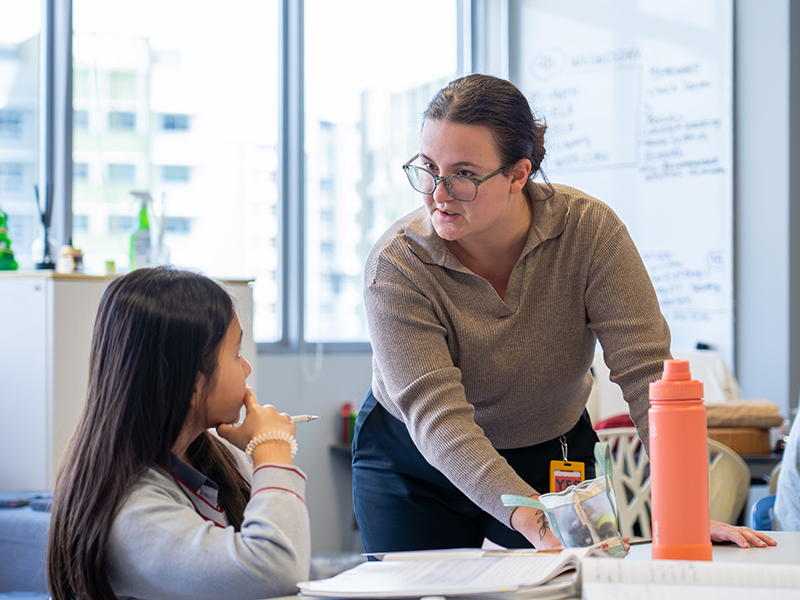
Should a student require support in any particular area, the school communicates our concerns early to the family via a phone call or personal email. Besides being able to explain our approach in a strength-based way, we’re also engaging the family in a collaborative way.
During the communication, families are included in understanding the concern, deciding next steps, setting goals and reviewing the progress. This ensures that there is consistency between home and school when building a shared plan around the child with transparency, care and dignity.
If early intervention is needed, what is available for XCL World Academy students?
Depending on what each student needs, these are various early interventions available to them:
- Counselling or wellbeing check-ins
- Small-group social or emotional support
- Learning support or classroom accommodations
- Mentoring with a trusted adult
- Peer friendship or transition support
- Online and in person conversations with student and families
- Grade level assemblies on specific topics
- Peer support such as student teaching or learning from students
The school provides translation support where needed, so families can fully understand and participate in the conversation.
How has this approach to student wellbeing been beneficial at XWA?
We have seen students improve on engagement, emotional regulation, resilience and academic confidence. Students who receive early support strengthen peer relationships, feel more connected and take healthy risks in learning.
XCL World Academy is at 7 Yishun Street 42.
6230 4230 | xwa.edu.sg
Besides student wellbeing, XCL World Academy also provides parent support for expat families – read more here. You can also find out how XWA integrates future skills into its Primary Years Programme for KG2 to Grade 5 here.
We also have lots of ideas on what to do in Singapore with your family. Planning to live in Singapore or new to our sunny island? Make sure to read the digital edition of our latest City Guide!
Don't miss out on the latest events, news and
competitions by signing up to our newsletter!
"*" indicates required fields