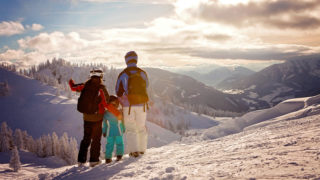
Singapore-based Italian photographer ALESSIA BULANI shares the highlights of a family trip to experience skiing in China, where the winter destination of Changbaishan is beginning to boom.
In the year of the Milan-Cortina Winter Olympics, we – proudly 100% born and raised in Italy – decided to go skiing… in China. And not just that: we chose to do it during Chinese New Year!
The puzzled looks from everyone we told accompanied us right up until departure, and slowly started planting a few serious doubts in our own minds too. But by then it was too late for second thoughts. Our flight to Changbaishan (via Shanghai) was waiting. From Baishan airport, it was about a 30-minute drive to our final destination: Club Med Changbaishan.
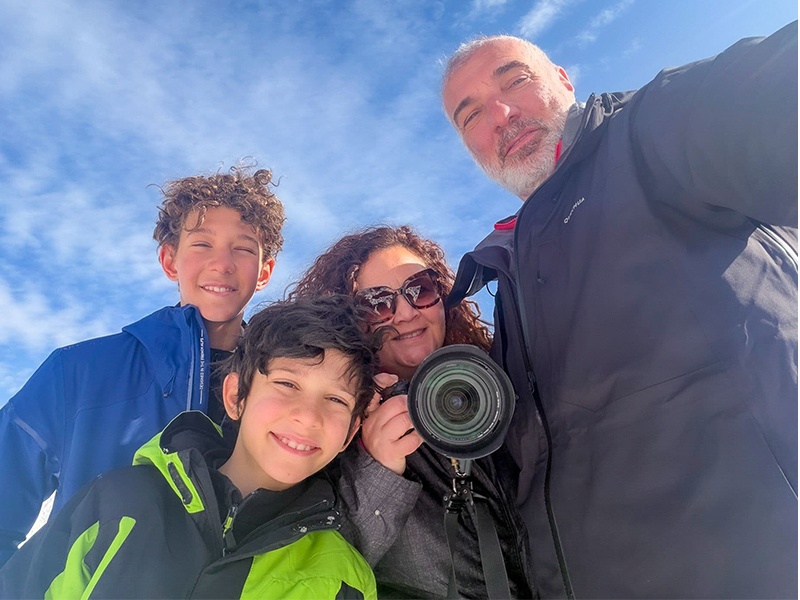
Although the number of foreigners could practically be counted on one hand – and four of them were us – it’s worth clarifying right away that language was never really a problem. Our family speaks some Chinese, most of the resort staff speak English, and in today’s world the language barrier is practically erased by translation apps. Having WeChat, however, was an absolute lifesaver.
About Changbaishan
Changbaishan (长白山) translates roughly as “Forever White Mountain”. Located in Jilin Province, it refers to a dormant volcanic mountain range on the border between China and North Korea. The area is famous for its crater lake, Tianchi, its white pumice-covered peaks, and its status as a UNESCO Global Geopark. The Geopark itself can be reached in about an hour and a half from the resort – though that adventure probably deserves an article of its own. One small piece of advice: maybe don’t visit in the middle of winter… as I did.
Now, a quick disclaimer. If you consider yourself an unstoppable alpine skiing virtuoso, this article may not be for you. But if you’re a family with young children (single-digit ages), still learning the ropes and without any ambitions of rivalling Federica Brignone (or Alberto Tomba, for those who remember), then you should definitely keep reading.
For our stay, we chose one of the private villas, accessed separately from the main building but directly connected to the thermal centre and equipped with a generous private outdoor hot tub. The resort made the whole process of ski rental (paid) and ski and snowboard lessons (included) seamless thanks to a dedicated facility right on the slopes.
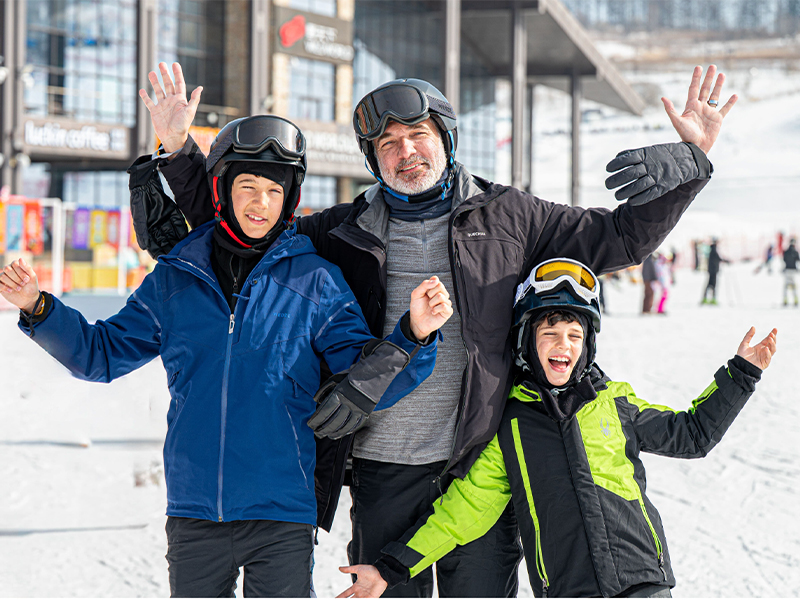
However, as we approached the lifts, we noticed a slight cloud of despair descending over the faces of Nicolò (14) and Greg (9), our two sons. Used to skiing in the Dolomites, they immediately realised the slopes were… well… a bit short and rather easy. Emergency plan required!
Things to do beyond the slopes
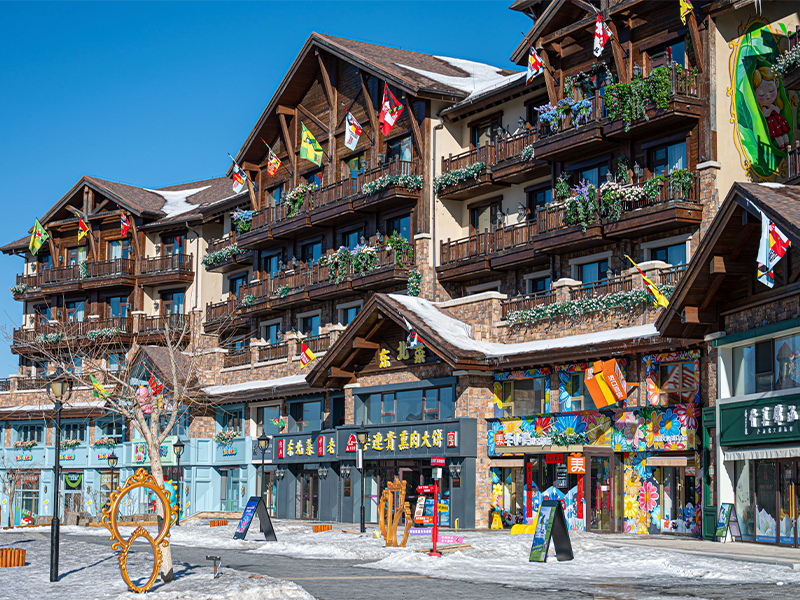
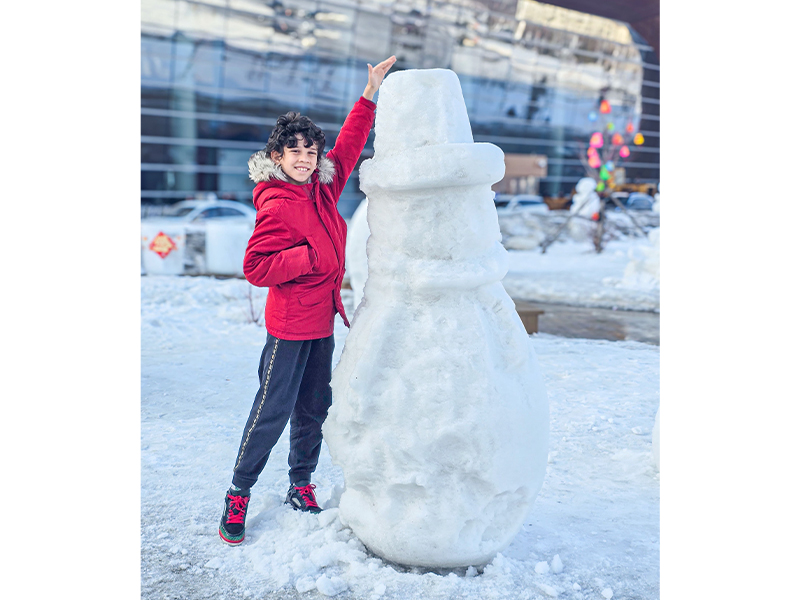
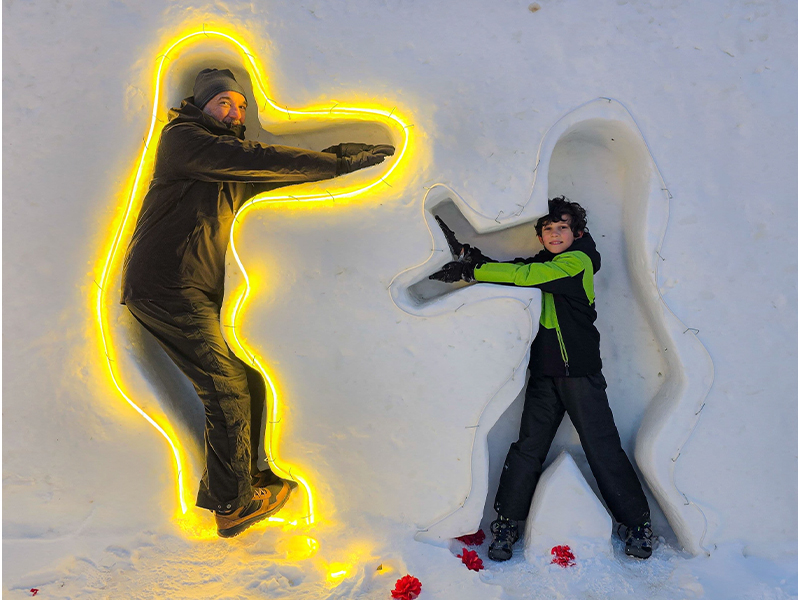
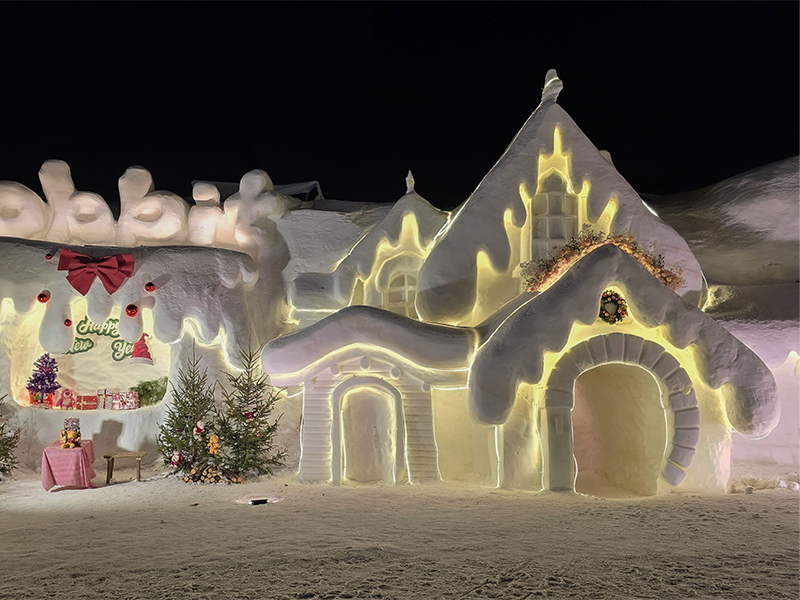
Looking around, we quickly realised we were standing in the middle of a lively ice village, packed with activities and infused with a wonderfully festive local atmosphere. Suddenly, smiles returned to everyone’s faces.
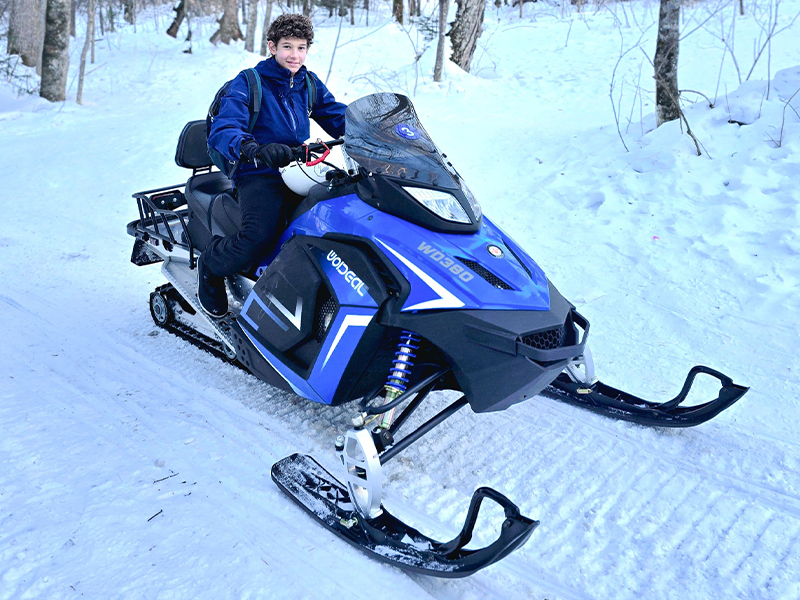
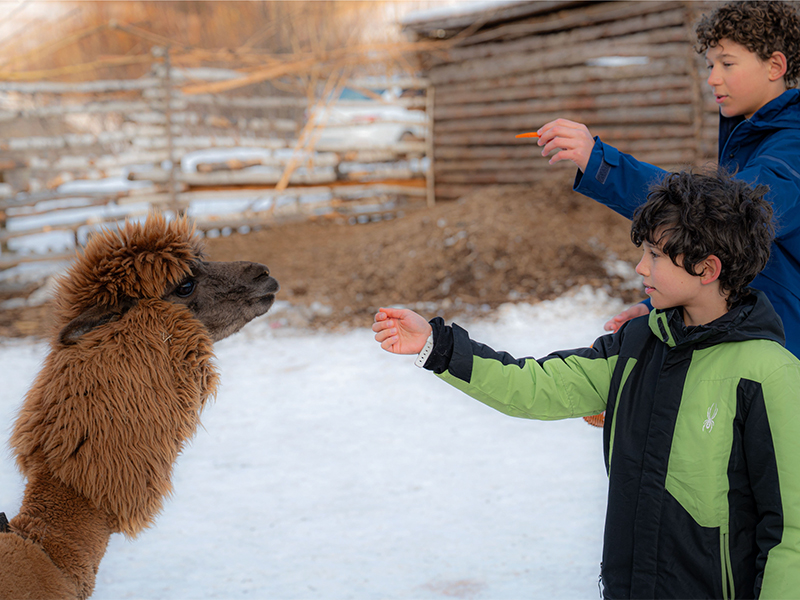
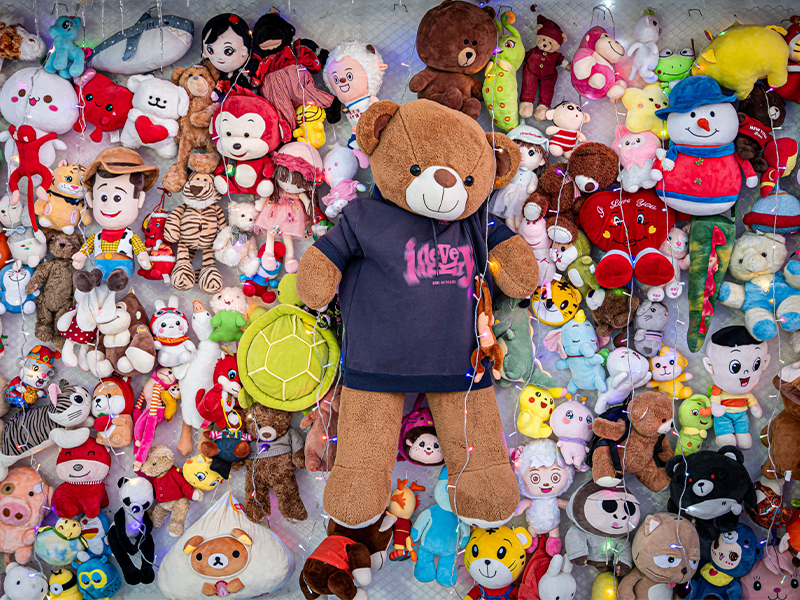
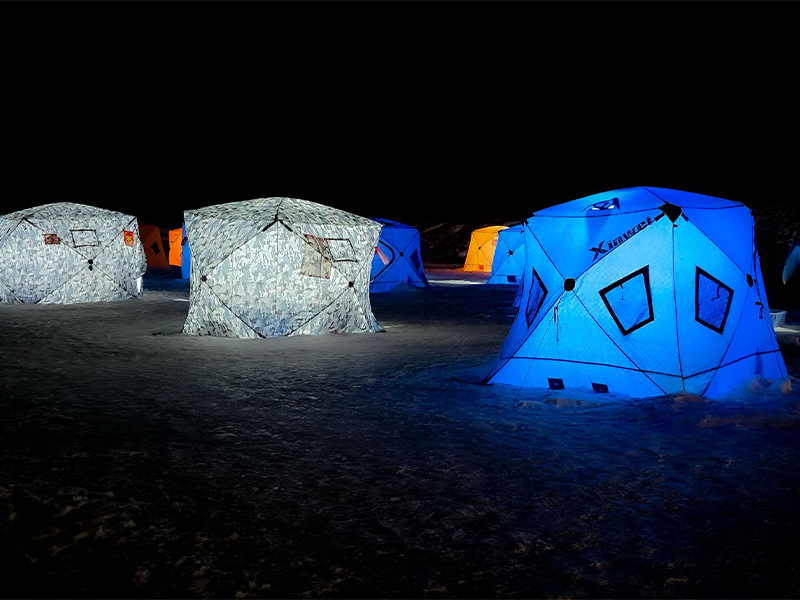
Ice fishing (complete with a barbecue of your catch), snowmobiles, and a hot-pot dinner in a Hobbit-style snow house with a bonfire were our first choices – and they did not disappoint. But there was much more: horse-drawn sleigh rides, rafting on thermal waters, a street filled with restaurants, little shops, hotels and arcades, UTV rides, sledging, snow rides for younger children, snow trekking, ice houses… the list goes on.
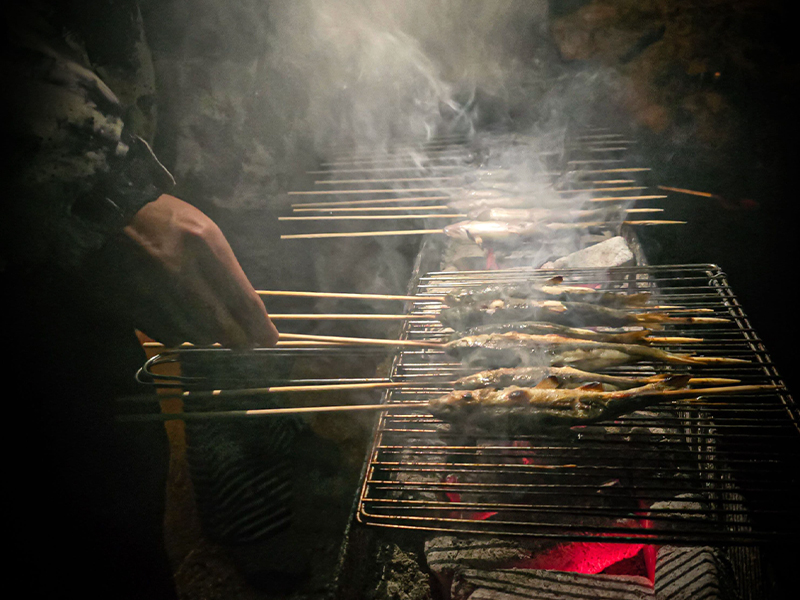
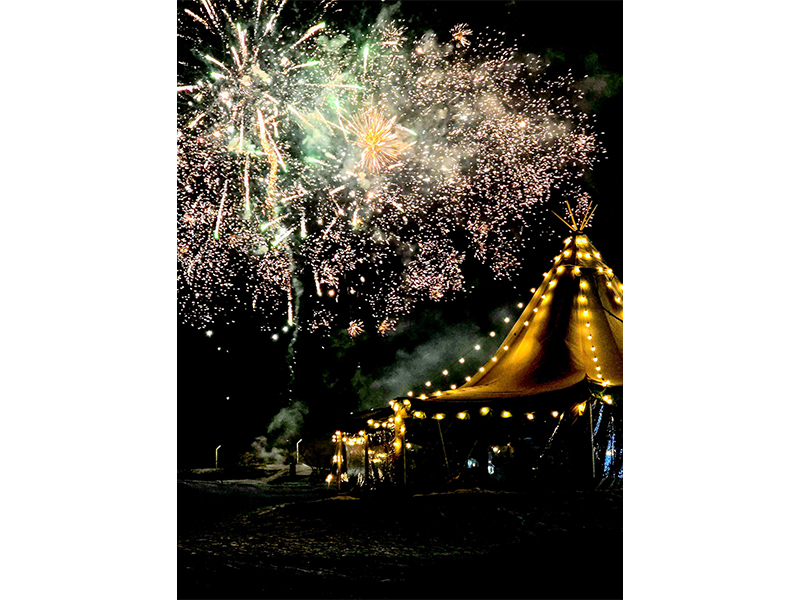
The Chinese New Year atmosphere filled every minute of the day, with celebrations, music and a truly astonishing amount of fireworks. It was a full immersion that quickly brought us into the spirit of the festivities.
The thermal area deserves a special mention. It uses natural mineral water from the volcanic Changbai region and is beautifully integrated into the resort experience. It’s also particularly welcome when trying to recover from the region’s freezing temperatures. The complex includes indoor and outdoor hot spring pools, entertainment areas for children, and baths infused with traditional Chinese medicinal herbs. Soaking in hot water under the stars in the evening was undoubtedly one of the highlights of the trip.
China as a growing ski destination
The history of skiing in China is fascinating. As an elite sport geographically limited to the far north of the country – mainly Heilongjiang and Jilin provinces – skiing was practically non-existent in the 1990s, with fewer than ten resorts.
Between 2005 and 2015, rising incomes and domestic tourism sparked rapid growth. Since 2015, and particularly following the Beijing 2022 Winter Olympics, expansion has accelerated dramatically thanks to major infrastructure investments. Today, China boasts around 800 ski resorts and roughly 13.5 million skiers.
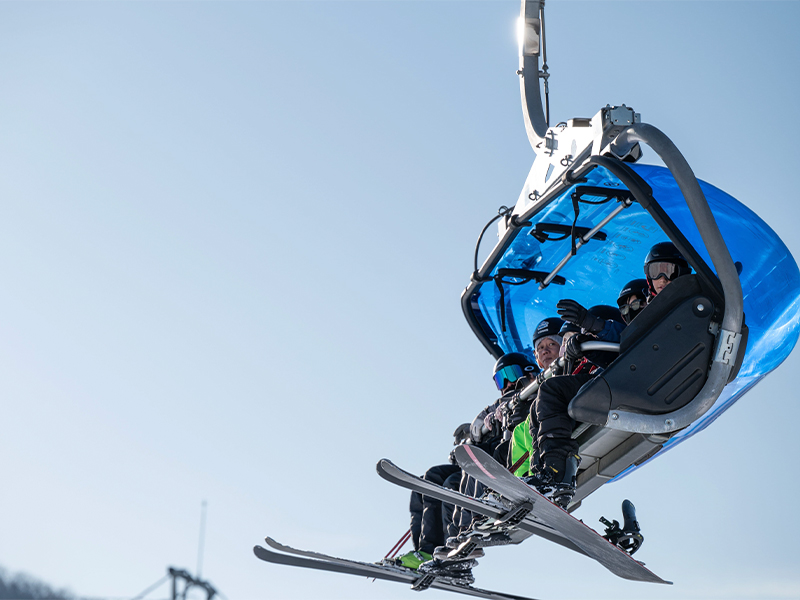
There are also bigger and more challenging ski resorts, such as Yabuli. However, without a century-old ski culture and with relatively limited mountain terrain offering significant vertical drops, the industry remains largely beginner-focused for the moment, with many occasional skiers and a wide range of resorts offering mostly easy to intermediate slopes.
Yet this relatively recent development also brings advantages. Resorts are modern and technologically advanced, and China has even built a significant number of indoor ski centres. Given the scale of investment, the size of the market, and China’s remarkable ability to create entertainment ecosystems from scratch, one wonders whether a new kind of skiing experience might emerge here. Perhaps one less focused on pure technical skiing – which would inevitably compete with the Alps – and more centred on a 360-degree entertainment experience.
For us, it was certainly a snow holiday unlike any we’d had before – but one that offered a chance to try something new, in an atmosphere that was undeniably special.
This article on skiing in China at Club Med Changbaishan first appeared in the July 2026 issue of Expat Living magazine. You can buy the latest mag or an annual subscription, or read the digital version for free now.
Interested in knowing about editorial options? Email us at [email protected].
Don't miss out on the latest events, news and
competitions by signing up to our newsletter!
"*" indicates required fields