
ACL injuries are incredibly common – and they can happen anywhere, from ski slopes to the pickleball court. DR ALAN CHEUNG, orthopaedic surgeon and Medical Director of International Orthopaedic Clinic, shares a few key details including whether a torn ACL can heal on its own and what recovery from surgery looks like.
Where exactly is the ACL and what does it do?
The term “ACL” stands for “anterior cruciate ligament” which is one of four major stabilising ligaments in the knee joint. It connects the thigh bone (femur) to the shin bone (tibia), providing stability and preventing the shin bone from moving too far forward or rotating excessively.
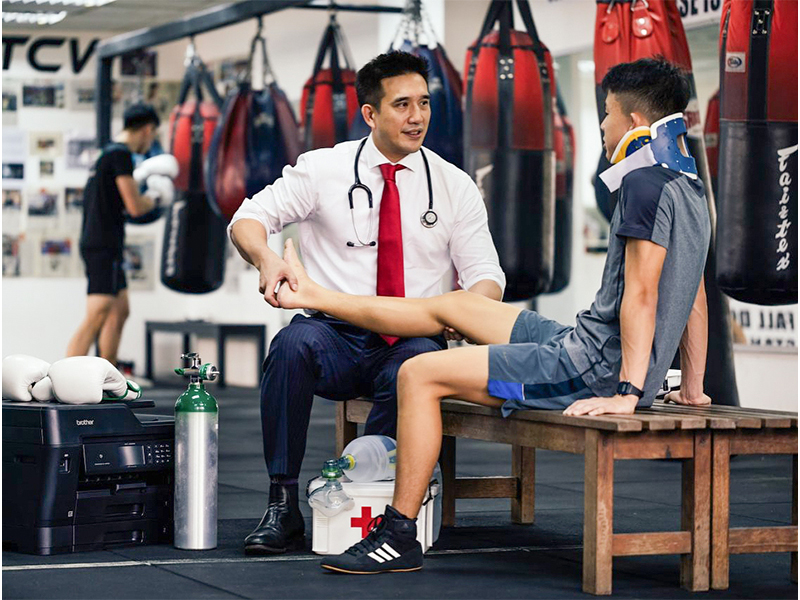
What are the most common ACL injuries you see in your practice?
ACL tears are a common injury I see. ACL injuries can occur in any sport involving sudden stops, pivots, jumps or falls, like basketball, football, martial arts, tennis and even ultimate frisbee. An ACL tear causes knee pain, swelling, instability and a “popping” sensation as the ligament is torn apart. Often, my patients tell me they couldn’t put weight on their leg or continue playing immediately after.
What causes them?
The commonest cause of an ACL injury is what is called a “non-contact pivoting injury”. This is when your affected leg is firmly planted on the ground whilst you are trying to change direction suddenly. If your knee collapses inwards and you fall backwards, opposing rotational forces of your shin and thigh bone are great enough to tear your ACL. There are several other mechanisms of ACL injury which are less common, like landing from a jump with your leg hyperextended.
Can an injured ACL heal on its own? What are some treatment options out there?
In the past, the prevailing wisdom was that an ACL could never heal on its own. Recent research suggests the ACL may have better healing potential than previously thought. For some patients, I now use a new non-operative treatment called the Cross Bracing Protocol, which involves wearing a knee brace in a fixed position for six weeks before gradually increasing range of movement. This may only suit patients seen within two weeks of injury.
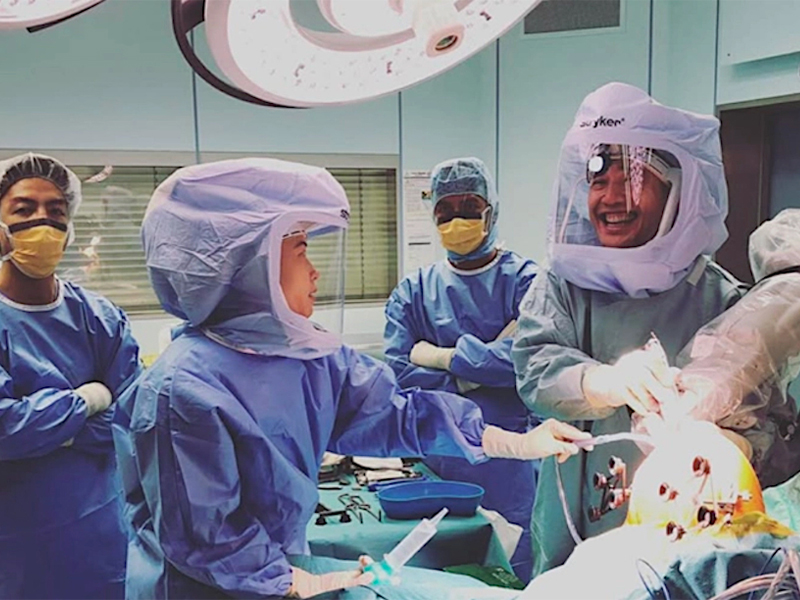
For patients seen outside this window, or who have coexisting injuries like meniscus or cartilage damage, I typically offer surgical reconstruction through keyhole surgery. This involves taking a piece of the patient’s tissue and threading it through the thigh and shin bone to replace the torn ACL. The procedure takes around an hour under general anaesthesia.
What does recovery look like after surgery?
Patients can walk immediately with crutches and can even go home the same day. They use crutches for four to six weeks and begin physiotherapy straightaway. Recovery involves regaining full range of motion, gradually rebuilding strength, and later returning to running and jumping. Most patients don’t return to sports until at least nine months following surgery.
Do you have any tips for reducing the risk of ACL injuries?
If you’re new to a sport, seek professional instruction to learn proper technique and have any equipment professionally fitted. A strength and conditioning programme is vital for reducing ACL injury risk. It should focus on strength, flexibility, balance and agility, progressing gradually and sensibly over several months.
Always warm up with dynamic stretches and sport-specific drills. Fatigue can also play a big part in ACL injury. Rest, recovery, sleep and proper nutrition are important strategies in reducing your risk of injury and making you a better athlete.
About the doctor
Dr Cheung is a British- and Australian-trained orthopaedic surgeon with over 20 years’ experience. He specialises in sports injuries, adult joint reconstruction and minimally invasive robotic surgery.
International Orthopaedic Clinic
#05-24 Mount Elizabeth Novena Specialist Centre, 38 Irrawaddy Road
6253 7111 | [email protected] | ioc-ortho.com
This article on International Orthopaedic Clinic and ACL injuries such as ACL tears first appeared in the March 2026 issue of Expat Living magazine. You can buy the latest issue or an annual subscription, or read the digital version for free now.
Interested in knowing about editorial options? Email us at [email protected].
Don't miss out on the latest events, news and
competitions by signing up to our newsletter!
"*" indicates required fields