
You may have already heard of multi-cancer early detection – or MCED – testing. One of the newer ways to screen for cancer today, this advanced blood test is designed to detect markers of multiple cancers at once, often before symptoms even appear. But how does it work and how effective is it really? Here, three doctors share their opinions with us.
What exactly is multi-cancer early detection?
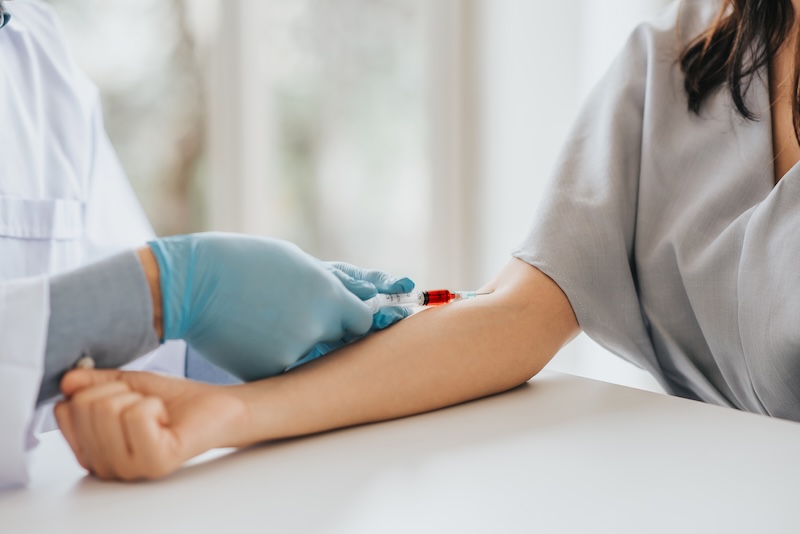
“Multi-cancer early detection (MCED) refers to a new generation of blood-based screening tests designed to detect multiple types of cancer at once, often before symptoms appear. These blood tests leverage next generation sequencing (NGS) technology to analyse circulating tumour DNA (ctDNA) and other molecular cancer markers in the blood.
This enables the detection of subtle genetic and epigenetic changes associated with multiple cancers, which are released into circulation by most cancer cells even before conventional imaging or blood testing suggests active disease.
Additionally, current traditional cancer screening methods are typically organ-specific. Each test is designed to detect a single type of cancer. For example, mammography for breast cancer, pap smear for cervical cancer, and colonoscopy or stool testing for colorectal cancer. MCED can screen for multiple cancers through a single blood draw, enabling detection of cancers that are not currently available for screening.
Identification of ctDNA also allows for an earlier detection of cancer than the traditional methods. This in turn can mean improved effective treatment and survival. When a cancer signal is detected, MCED testing can localise the most likely organ source or tissue where the cancer began. This results in a more precise approach in diagnostics and imaging tests, reducing unnecessary investigations, time delays and patient anxiety.
MCED testing provides a step forward in cancer prevention screening. It enables an earlier, broader and less invasive detection with the aim of reducing late stage diagnoses, improving treatment outcomes, and ultimately lowering cancer-related mortality.”
– Dr Chrystal Fong Chern Ying, Family Physician at Asia HealthPartners
How effective are these blood tests at detecting cancer early? Can I get them in Singapore?
“Early detection remains a powerful factor in surviving cancer. When cancer is found at an early stage, treatment options are often broader, less aggressive and less expensive, leading to better outcomes for patients. Yet the challenge has been finding a way to detect many different cancers early using a method that is accurate, affordable, non invasive and radiation-free. Technologies like multi-cancer early detection (MCED) tests are beginning to change this landscape.
While this approach may seem new, similar technology has been used safely for years in prenatal testing and, more recently, to guide cancer treatment. Only in the past few years has it rapidly advanced toward broad cancer screening.
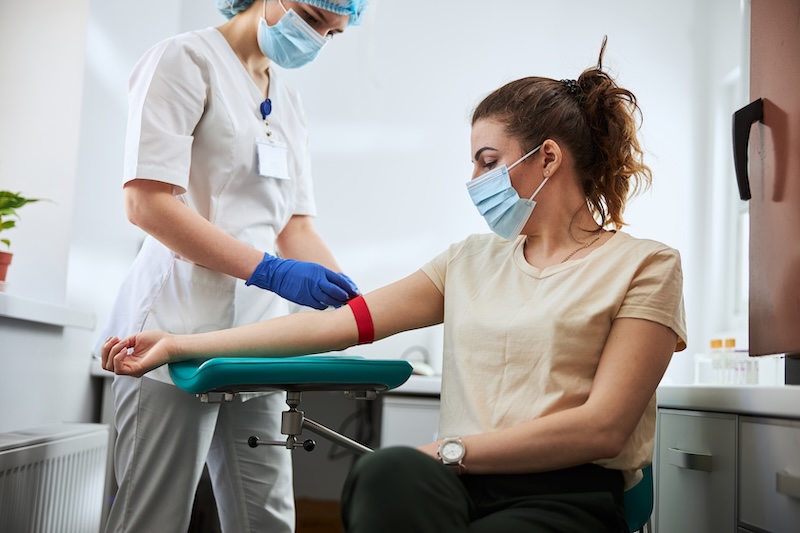
Evidence supporting MCED tests is growing. A recent large North American trial reported that adding MCED testing to standard screening detected cancers three to seven times more often. Importantly, it was also safe and able to identify early-stage cancers, including types for which no routine screening exists. These findings are promising and have generated considerable excitement among clinicians.
However, no test is perfect. MCEDs are not diagnostic and still require imaging or biopsy to confirm results. Until more data emerges, they should supplement – not replace – existing national screening guidelines.

In Singapore, MCED tests are already available in many screening clinics and specialist centres, including ours. With better awareness and more advanced tools, we can hopefully normalise these blood tests for cancer markers and improve uptake, making cancer far more manageable simply because it is detected earlier.”
– Dr Brendan Chia, Specialist in Radiation Oncology & Senior Consultant at Raffles Cancer Centre
How have MCED blood tests made it easier for people to get screened for cancer?
“Our current approach to screening usually involves one test for one specific problem, like mammograms or colonoscopies. While effective, these tests can leave gaps as many aggressive cancers lack an established ‘gold standard’ screening test. Furthermore, participation is low. Research shows that less than half of eligible adults complete recommended screenings because some of these test procedures can be uncomfortable and time-consuming.
MCED makes cancer screening more accessible and easier for people with just a simple blood draw, much like a cholesterol check. By using artificial intelligence to analyse small fragments of tumour DNA, these blood tests can identify cancer signals early, often before symptoms appear.
Recent data from the largest real-world MCED study in Asia, involving over 36,000 participants, highlights the potential. The test achieved a specificity of 99.8 percent, meaning it drastically minimises the stress of false alarms that often plague traditional screening. Furthermore, when cancer was detected, the test correctly identified the location in the body with 84 percent accuracy, accelerating time-to-diagnosis.
By making prevention frictionless and scientifically robust, MCED helps build a proactive healthcare system that fits into our busy lives. This approach is found to be supported by over 90 percent of the public in a published study.”
– Dr Oh Eu Leong, Resident Physician at Chi Longevity
About the doctors
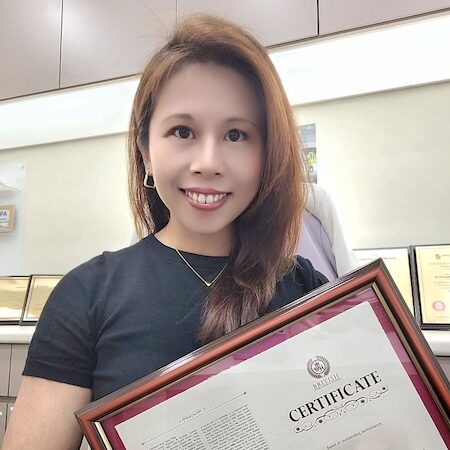
Dr Chrystal Fong Chern Ying is a Family Physician at Asia HealthPartners with a special focus on preventive health screening, lifestyle medicine and health coaching. She helps individuals and families make informed, evidence-based decisions about their health.
Dr Brendan Chia is a Senior Consultant Radiation Oncologist at Raffles Medical Group Singapore. He uses advanced radiotherapy techniques such as proton therapy, stereotactic radiosurgery and stereotactic ablative body radiotherapy to treat a variety of cancer patients.
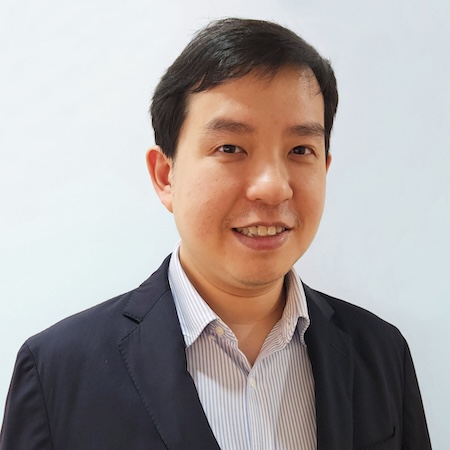
Dr Oh Eu Leong is a Resident Physician at Chi Longevity, focusing on advanced diagnostics and targeted interventions to enhance healthspan and lifespan. He uses a comprehensive, data-driven approach, integrating expertise across diagnostics, nutritional science, exercise, sleep physiology, mental health and targeted pharmacology.
Asia HealthPartners
#05-06 Lucky Plaza Singapore, 304 Orchard Road
6235 7888 | WhatsApp 9234 3477
asiahealthpartners.com
Raffles Cancer Centre
Level 10, Raffles Specialist Centre, 585 North Bridge Road
6311 2300 | [email protected] | rafflesmedicalgroup.com
Chi Longevity
#10-04 Camden Medical Centre, 1 Orchard Boulevard | 6556 5088
#03-04 Four Seasons Hotel Singapore, 190 Orchard Boulevard | 6235 2870
chilongevity.com | [email protected]
Liked this article on cancer symptoms and multi-cancer early detection (MCED) blood tests for detecting cancer markers in Singapore? Visit our Health & Fitness section for more ideas and inspiration.
Don't miss out on the latest events, news and
competitions by signing up to our newsletter!
"*" indicates required fields