Trying to figure out how to get rid of acne scars? Radiofrequency (RF) microneedling and fractional CO2 lasers are two of the most talked-about acne scar treatments in Singapore, both promising benefits like deep skin remodelling and texture repair. Here, DR JOSEPH TOH from Parkway MediCentre Dermatology Clinic shares his insights on which one could be right for you!
A bit more on acne scars
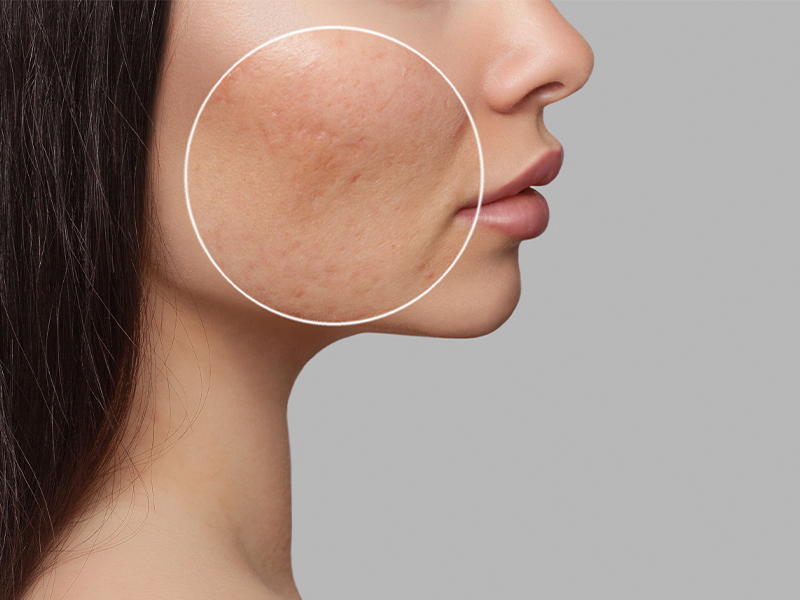
“In my practice, the most common acne scars are atrophic, or depressed, scars,” the doctor explains. These tend to fall into three main categories:
Ice-pick scars: Deep, narrow pits (like small puncture marks), often from severe inflammatory acne.
Boxcar scars: Broader, rectangular depressions with sharp vertical edges.
Rolling scars: Wave-like undulations caused by fibrous tethering under the skin.
Most people don’t have just one scar type either. “Many have mixed scars, along with texture issues like enlarged pores, rough surface or post-inflammatory hyperpigmentation (dark marks).”
Hypertrophic or keloid raised scars are less common, but Dr Toh sees them more frequently in certain ethnic groups. Beyond scarring, ongoing inflammation can also leave skin looking dull or uneven in tone, even when breakouts have eased.
Other factors that influence scarring
Add Singapore’s tropical climate and intense UV exposure to the mix and your acne scars might become more difficult to get rid of. “High humidity increases oil production and bacterial growth, worsening acne and delaying healing, which can lead to more scarring,” explains Dr Toh. Sun exposure is another key factor. “UV exposure, even indoors via windows, causes post-inflammatory hyperpigmentation, making scars appear darker and more noticeable on Asian or mediumto-darker skin tones.”
Age and skin type play a role too. According to Dr Toh, younger patients in their 20s to 30s often have more active inflammation and better natural collagen response, leading to potentially better healing. Older patients may have slower collagen production, so scars appear more pronounced. Meanwhile, your skin type (for example, oily or combination skin common in the tropics) influences oiliness and pore size. Drier or sensitive skin types may experience more irritation during healing.
Two treatments in Singapore for acne scars
If you’re looking around for the most effective solution for fading or getting rid of acne scars, radiofrequency microneedling (such as the Morpheus8 device) and CO2 lasers are two that regularly pop up. Dr Toh explains that both treatments are designed to stimulate collagen remodelling but differ in mechanism:
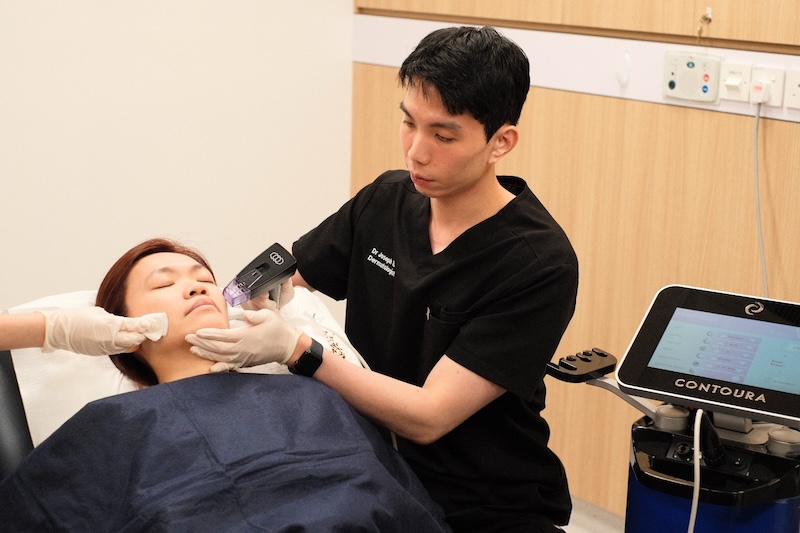
Radiofrequency (RF) microneedling:
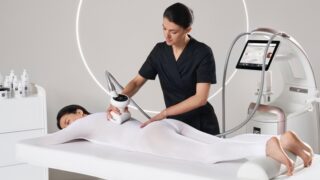
Using aesthetic devices such as Morpheus8, microneedles create microchannels to deliver RF heat directly into the dermis, the deeper layer of the skin. This process heats tissue precisely to trigger collagen production and break down scar tissue without much surface damage. It’s excellent for remodelling skin from within, as well as improving texture, pores and mild laxity.
Who is suitable?
Radiofrequency microneedling such as the Morpheus8 treatment suits patients with mild-tomoderate atrophic scars (especially rolling or boxcar scars), darker skin tones (as it has a lower risk of pigmentation changes) and those with busy lifestyles who want minimal downtime (as redness or swelling lasts for only one to three days).
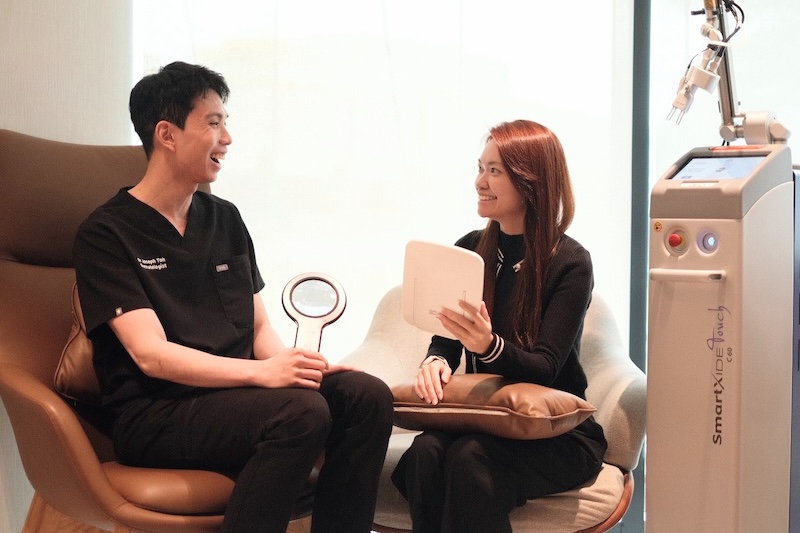
Fractional CO2 lasers:
The treatment is ablative, creating microscopic columns of controlled thermal injury by vaporising tiny areas of skin surface and deeper layers. This removes damaged tissue and promotes strong new collagen formation and resurfacing. It’s more aggressive on the epidermis.
Who is suitable?
This type of laser is more effective for deep ice-pick scars or boxcar scars with sharp edges, and for patients with significant surface texture issues who want dramatic resurfacing. It is ideal for lighter skin tones and patients who can accept five to 10 days of downtime, which may include redness, peeling and crusting.
The pros of combining treatments for acne scars in Singapore
Can combining the two treatments improve results in getting rid of acne scars? For many patients, and especially for those with mixed scar types, the answer is yes. “One approach at Parkway MediCentre Dermatology Clinic is to start with Morpheus8 to remodel the deeper layers and improve laxity or tethering, then follow with fractional CO2 laser for surface refinement,” Dr Toh explains. “This layered approach addresses scars at multiple depths with reduced overall risks and downtime compared to aggressive single treatments. I often tailor the sequence based on scar type and skin response.”
Risks and considerations before scar treatment
While treatments are generally safe in the hands of experienced doctors and dermatologists, patients should understand their differences in risks.
According to Dr Toh, side effects of radiofrequency microneedlinglike Morpheus8 are usually mild. Redness, swelling or pinpoint bleeding usually resolves within one to three days. Rarely, there might be temporary grid marks or infection. The risk of post-inflammatory hyperpigmentation is low.
Fractional CO2 lasers require a bit more caution, involving longer downtime with redness, crusting or peeling for five to 10 days. There’s also a higher risk of post-inflammatory hyperpigmentation in darker skin along with possible infection or scarring. These can be mitigated with pre- and post-care, says Dr Toh.
Sun protection is essential after both procedures “to avoid pigmentation worsening.” Patients with active acne, a tendency to form keloids, or recent use of medications such as isotretinoin may need to delay treatment.
Small steps go a long way!
Beyond undergoing acne scar treatments in Singapore, here are six things you can easily do to improve your skin:
- Keep cleansing gentle and use non-comedogenic moisturisers that don’t strip the skin.
- Wear broad-spectrum SPF 50+ daily – crucial in Singapore’s sun!
- Use retinoids or vitamin C for slow, steady texture improvement.
- Avoid picking or squeezing pimples to prevent new scars.
- Eat well, stay hydrated and manage stress to support healing.
- See a dermatologist early to help prevent severe scarring.
About the dermatologist
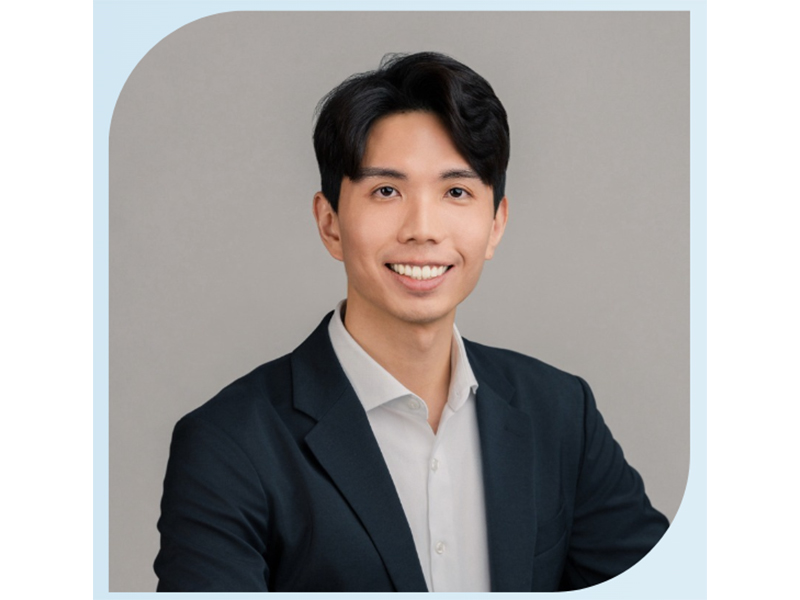
Dr Joseph Toh is an accredited consultant dermatologist with Singapore’s Ministry of Health, with subspecialty interests in pigmentary disorders, skin cancers, dermatologic and laser surgery, and biologic therapy for severe dermatitis.
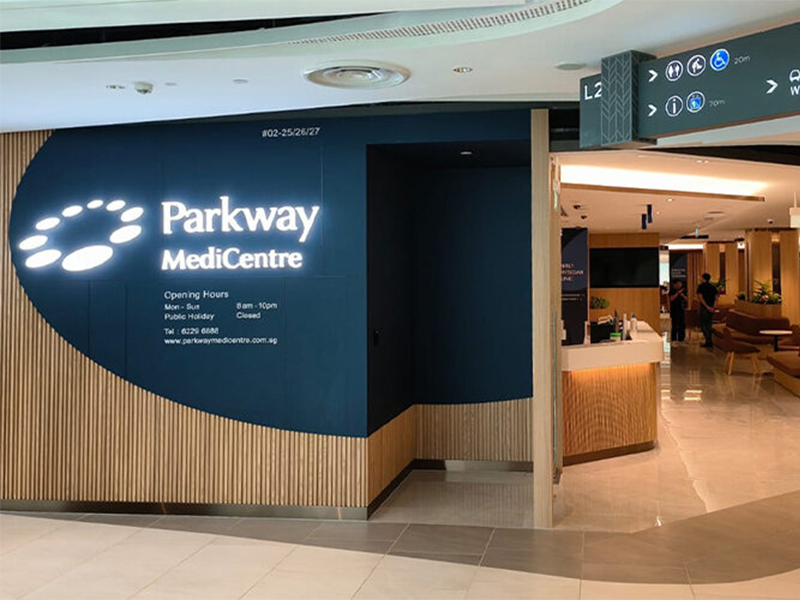
Parkway MediCentre Dermatology Clinic
#02-25/26/27 The Woodleigh Mall, 11 Bidadari Park Drive
6229 6878 | 9789 5793
[email protected] | parkwaymedicentre.com.sg
This article on acne scar treatments in Singapore such as radiofrequency microneedling and fractional co2 laser at Parkway MediCentre Dermatology Clinic first appeared in the March 2026 issue of Expat Living magazine. You can buy the latest issue or an annual subscription, or read the digital version for free now.
Interested in knowing about editorial options? Email us at [email protected].
Don't miss out on the latest events, news and
competitions by signing up to our newsletter!
"*" indicates required fields