Love French wines? If your wine rack already includes a few bottles from Bordeaux or Burgundy, it’s definitely time to make room for Alsace and the Rhône Valley too. I recently attended a masterclass led by Thierry Fritsch from the Comité Interprofessionnel des Vins d’Alsace (CIVA) and Julie Coutton-Siadou from Inter Rhône and got to discover (and taste!) how much these two French wine regions have to offer – from elegant whites and crisp sparkling wines to iconic Rhône blends. Here’s everything you need to know about Alsace and Côtes du Rhône wines, plus eight handpicked bottles to try and where to buy them in Singapore.
A bit about Alsace wines
Sitting between the Vosges Mountains and the German border, Alsace is home to around 15,400 hectares of vineyards and 51 classified Grand Cru sites. Yet despite the scale, winemaking remains a family affair. Many are 13th, 14th and 15th generation farmers and growers who see themselves, as Thierry puts it, as “stewards of the land”.
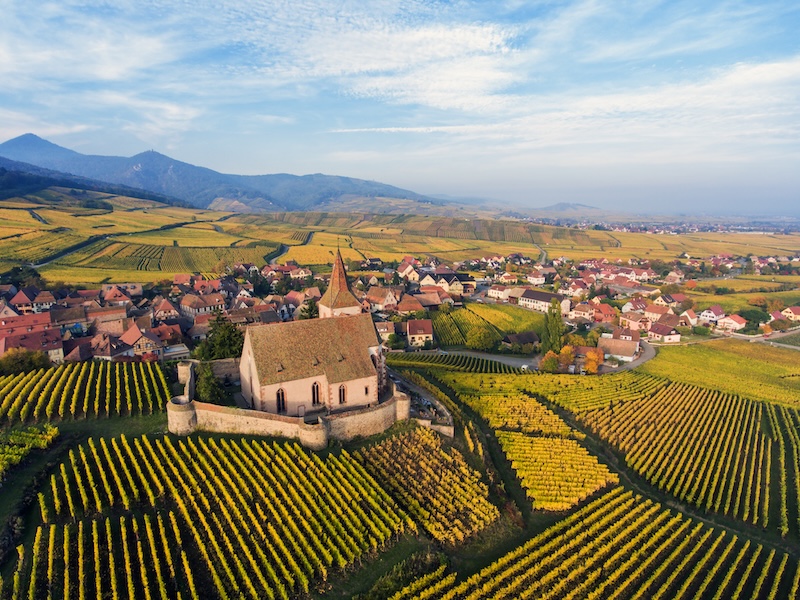
Alsace is best known for its fresh, elegant white wines made primarily from seven grape varieties including Riesling, Gewurztraminer, Pinot Gris and Muscat. You’ll recognise an Alsace wine easily thanks to its legally required flute-like bottle. Another thing that sets the region apart is its diversity of soils. It has 13 distinct types from granite and limestone to clay and schist, each imparting unique nuances and character to the wines.
A bit about Côtes du Rhône wines
Stretching from Lyon all the way down to Avignon, the Côtes du Rhône is one of France’s largest and most diverse wine appellations. It has an impressive 27 authorised grape varieties and wines in all three colours: white, rosé and red. It is also one of the oldest AOCs, having been created in 1937.
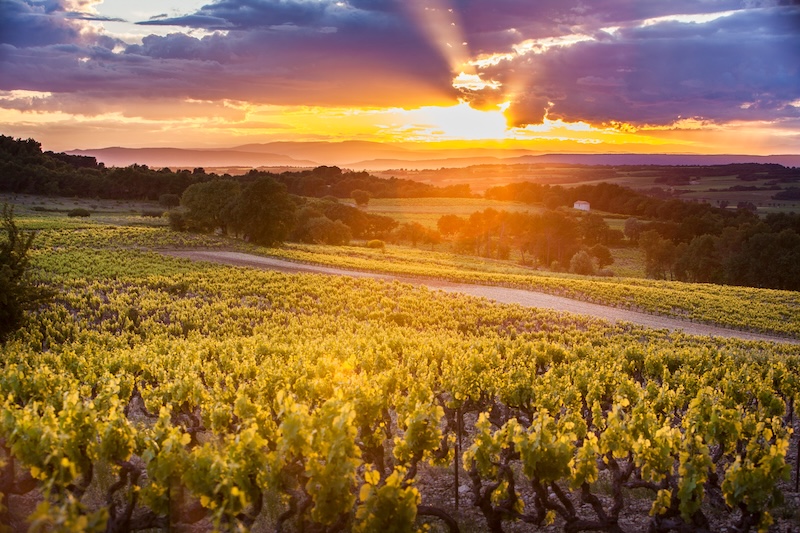
“Blending is in our DNA,” said Julie during the masterclass. Indeed, the Côtes du Rhône is perhaps best loved for its signature red blends, where varieties like Grenache, Syrah and Mourvèdre come together to create rich and vibrant wines (often referred to as the “GSM” blends). Alongside these iconic reds, the appellation also produces whites from grapes including Viognier, Marsanne and Roussanne.
The Côtes du Rhône also now boasts 18 recognised Crus, the highest classification level, up from just 13 in 2000, with Laudun becoming the newest addition in 2024. The Côtes du Rhône Villages AOC – whether or not it includes one of the 21 named villages – also allows for a more nuanced expression of the terroir and a unique identity, thanks to stricter specifications.
Sustainability and biodiversity
It’s worth noting that long before sustainability became a hot topic, both regions were leading the way in environmentally responsible winemaking. Alsace is especially a pioneer in this space. Organic viticulture was introduced in 1961 and biodynamic farming in 1969. Today, around 35 percent of its vineyards are organically certified, well above the French average of 22 percent.
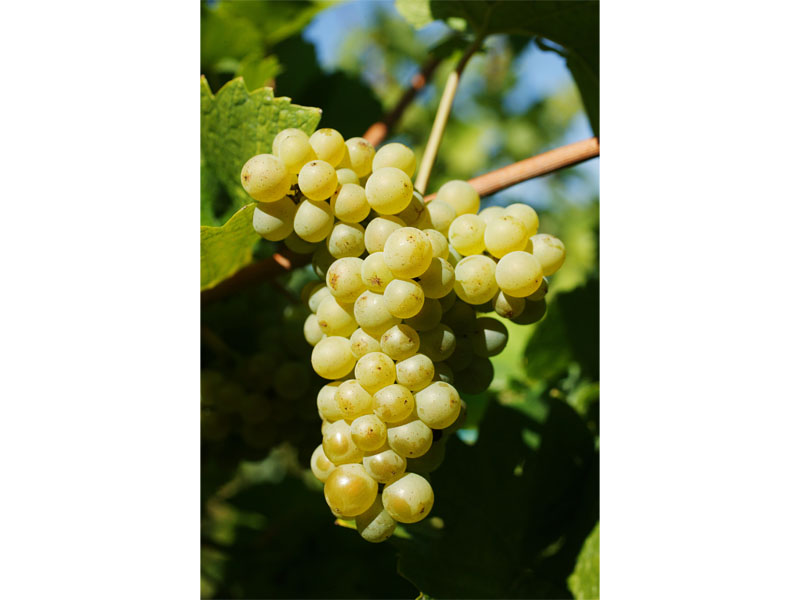
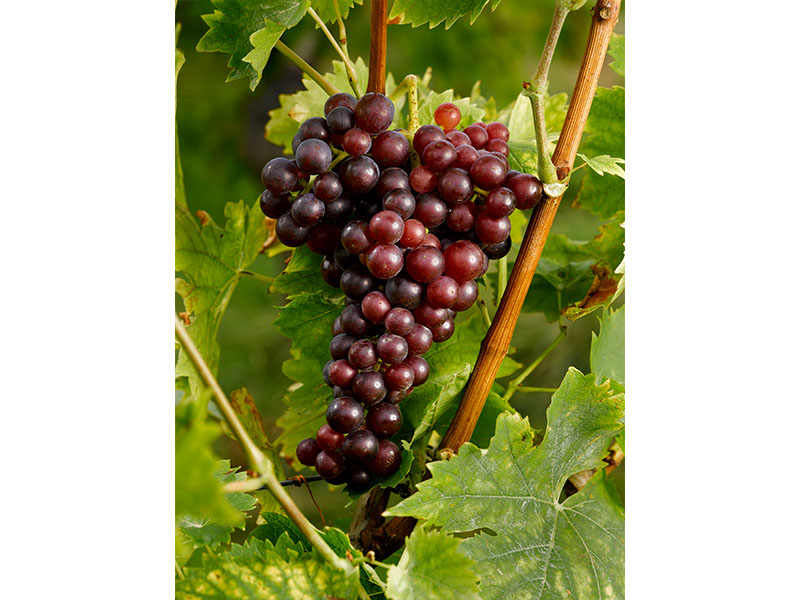
The Rhône Valley is also strongly committed to sustainable practices. A quarter of its production is certified as organic or biodynamic in 2025, with 37 percent holding High Environmental Value (HVE3) certification.
A fresh take on French wines
As both Thierry and Julie emphasised during the masterclass, the wine world is shifting. They’ve noticed drinkers moving toward drinkability, ease, authenticity, good value and wines made with respect for the environment. And increasingly, they want bottles that work well with a wide variety of dishes – wines that are open-minded at the table and “don’t take themselves too seriously”.
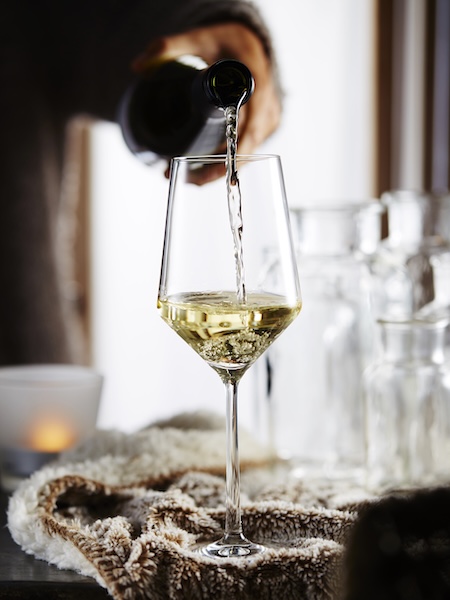
Alsace wines and Rhône wines – with their lovely relaxed quality and food-friendliness, often coming at a fraction of the cost of other famous French regions like Bordeaux or Burgundy – check all the boxes.
Not sure where to start?
I was lucky enough to sample eight wines during the masterclass, each hand-picked by Thierry and Julie to showcase the best of Alsace and the Côtes du Rhône. From the Crémant sparkling (made using the same traditional method as Champagne) to the gorgeous Riesling, the Alsace wines were crisp, elegant and just perfect for the Singapore heat. I also loved the Côtes du Rhône wines’ incredible diversity, from an easy-to-drink rosé to the peppery, spicy Grenache, Syrah and Mourvèdre blends made for cosy, hearty dinners with good friends. Ready to try them yourself? Here are the eight wines Thierry and Julie selected, as well as where to find them in Singapore.
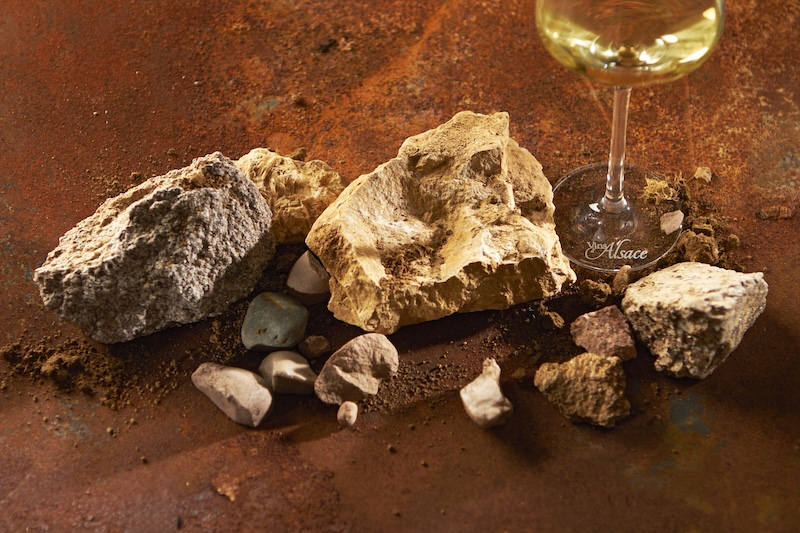
Alsace wines (AOC):
- Dopff au Moulin, Crémant d’Alsace Cuvée Julien Brut NV (Dunstan Vintner Pte Ltd)
- Domaine Jean-Marc Bernhard, Alsace Grand Cru Wineck-Schlossberg Riesling 2021 (Teck Huat)
- Domaine Maurice Schoech, Alsace Pinot Gris Sonnenberg “Cuvée Justin” 2023 (Bottles & Bottles Pte Ltd)
- Gustave Lorentz, Alsace Pinot Noir Réserve 2023 (Magnum)
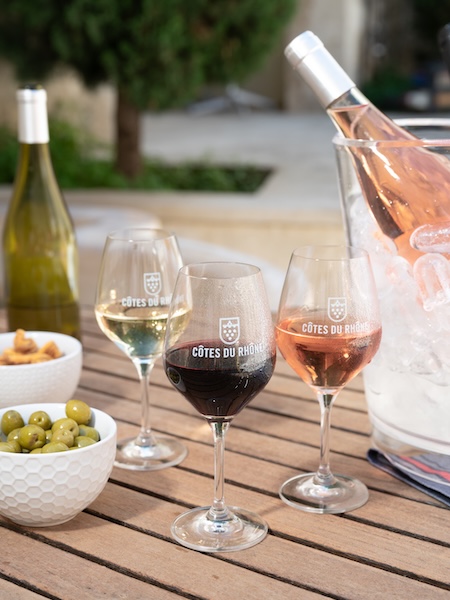
Côtes du Rhône wines:
- Mas de Sainte Croix, Friandise Côtes du Rhône Rosé 2024 (Cornerstone)
- Vignerons Ardéchois, Côtes du Rhône Rouge Bio Montjau 2020 (Angra)
- La Ferme du Mont, Vacqueyras Le Rif 2022 (Barworks)
- Domaine Yves Cuilleron, Crozes-Hermitage Labaya 2023 (Alfa International Pte Ltd)
CIVA (Comité Interprofessionnel des Vins d’Alsace)
vinsalsace.com/en | IG @WinesOfAlsace | FB @AlsaceWinesOfficial
Inter Rhône (Interprofession des Vins AOC Côtes du Rhône et Vallée du Rhône)
vins-rhone.com/en | cotesdurhone.com | IG @cotesdurhone | FB @cotesdurhone
Liked this article on Alsace and Côtes du Rhône wines and where to buy French wines in Singapore? Visit our Wine & Dine section for more ideas and inspiration.
Interested in knowing about editorial options? Email us at [email protected].
Don't miss out on the latest events, news and
competitions by signing up to our newsletter!
"*" indicates required fields