
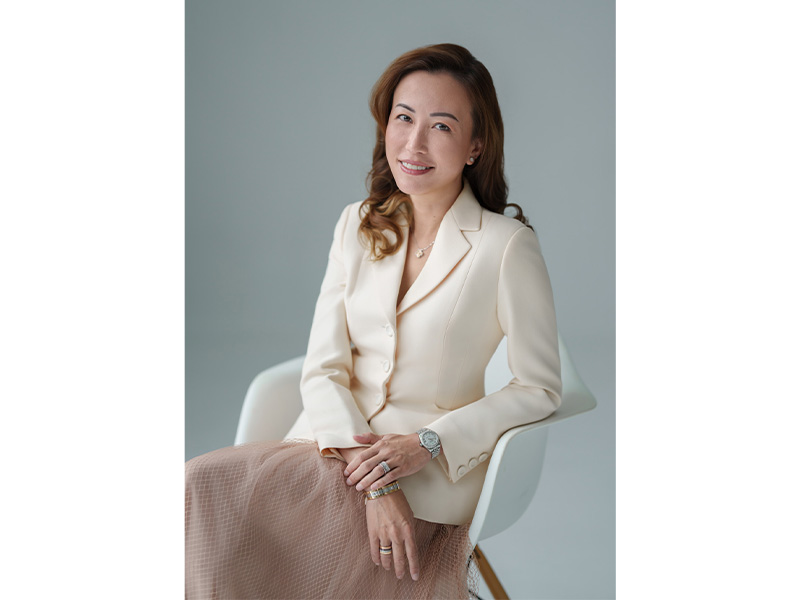
For areas of the body that don’t respond to diet and exercise, here’s a non-invasive body-contouring treatment worth considering! We speak to DR ANGELINE YONG, Dermatologist and Medical Director at SSKINS Medispa, about Alma PrimeX Body Dual Sculpt that is designed to address both fat reduction and skin tightening in a single protocol. Dr Yong shares her insights on how it works and what to keep in mind if you’re considering this treatment yourself.
Tell us about the Alma PrimeX Body Dual Sculpt treatment offered at SSKINS; how does it work?
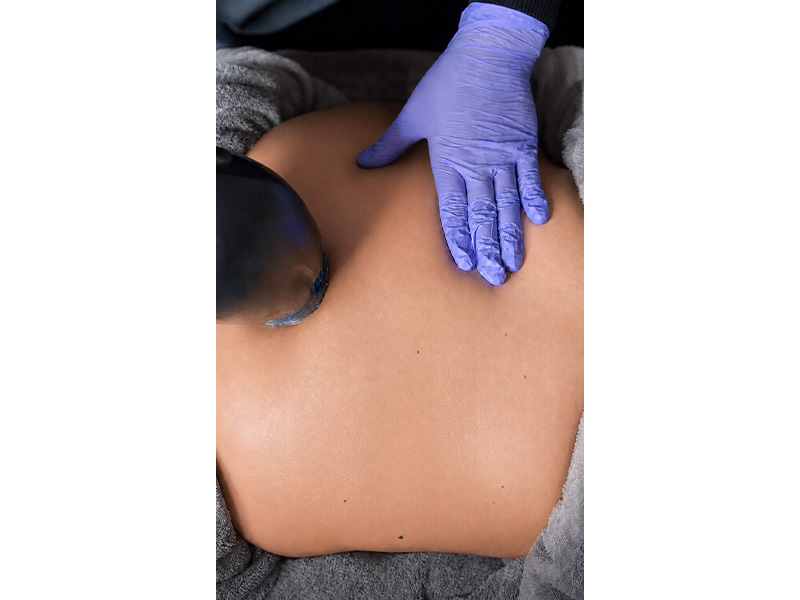
Alma PrimeX Body Dual Sculpt is a non-invasive body-contouring treatment that combines two complementary technologies to address both localised fat and the quality of the overlying skin. The first component, SpeedSculpt, delivers pulsed, non-focused ultrasound energy to the subcutaneous fat layer. The acoustic energy helps reduce the volume of small, localised fat deposits. The UniBody follows; it delivers controlled unipolar radiofrequency energy into the deeper layers of the skin. The resulting heat supports collagen contraction and remodelling, helping the skin appear firmer and smoother.
This dual approach matters because body contouring isn’t always simply about reducing fat. If the overlying skin is lax, reducing volume alone may not produce the desired definition. By addressing both concerns, we can achieve a smoother, more balanced contour.
How is it different from other non-invasive body-contouring treatments?
The main distinction is that Alma PrimeX can address both localised fat and skin laxity within a single, personalised treatment protocol. Some treatments primarily freeze fat, while others use electromagnetic energy to stimulate muscle contractions. Alma PrimeX instead combines ultrasound for localised fat reduction with radiofrequency for skin tightening and collagen remodelling.
It’s completely non-invasive, with no incisions, needles or general anaesthesia, and there’s usually minimal downtime.
Which body areas can it target?
It can be used on broader areas such as the abdomen, waist, flanks, thighs, buttocks and upper arms. The smaller SpeedSculpt applicator also allows us to work more precisely on harder-to-treat areas, such as the underarms or bra line.
We first assess the amount and distribution of subcutaneous fat, the degree of skin laxity, and whether we can use the applicator safely over the area.
Who is a good candidate, and who isn’t?
Suitable candidates are generally healthy adults who are already close to a stable, healthy weight but have specific pockets of subcutaneous fat that haven’t responded adequately to diet and exercise. It may also be appropriate for patients with mild to moderate skin laxity who want gradual improvement without surgery or significant downtime.
It’s not designed to treat obesity or visceral fat, which is the deeper fat surrounding the internal organs. Nor can it reproduce the degree of fat removal or skin excision achievable with surgery, particularly in patients with a large amount of excess skin.
We would generally not recommend treatment during pregnancy or breastfeeding, or for patients with implanted electronic devices such as pacemakers or insulin pumps. Metal implants in the treatment area, active infections, open wounds, inflammatory skin conditions and certain medical conditions may also make a patient unsuitable.
What does this non-invasive body-contouring treatment feel like? Is it painful?
Most patients describe the radiofrequency portion as a gradually warming massage. During the ultrasound component, they may feel movement, pressure or mild sensitivity over certain areas. The treatment should generally remain tolerable, though I’d avoid describing any energy-based procedure as completely painless, since sensitivity differs between individuals and body areas. Mild warmth, tenderness or redness may occur afterwards. In a small prospective PrimeX study, the most frequently reported effects were mild discomfort and temporary redness, both of which resolved without treatment, with redness settling within 48 hours. No burns or skin atrophy were observed in that study.
How many sessions do you recommend, and when can patients expect to see results?
A typical starting course is around four sessions, usually spaced seven to 14 days apart. That said, we adjust the final treatment plan to the patient’s body area, tissue thickness, skin laxity and desired outcome.
Some may notice the area feels firmer soon after treatment, but this should not be mistaken for the final result. Fat reduction and collagen remodelling happen gradually.
How long do the results last?
The available clinical study showed that improvements were maintained for at least three months after the final session. Results are more likely to be maintained when the patient’s weight stays stable, and they continue with regular physical activity and a balanced diet.
Not everyone automatically requires maintenance treatment. After the initial course, we may recommend a maintenance session if there’s recurrent laxity, or if the patient would benefit from further refinement or skin tightening.
Is there anything patients should keep in mind when choosing a practice for non-invasive body-contouring treatments?
Patients should first establish whether their concern is primarily fat, loose skin, muscle tone or visceral weight gain. Each requires a different approach. A responsible practice should conduct a proper assessment before recommending treatment, rather than suggesting a procedure simply because a particular machine is available.
When comparing providers of skin-tightening or body-contouring treatments, look beyond labels such as “slimming centre” and consider the safeguards in place. An established, dermatologist-led medispa can offer more structured treatment protocols than a purely beauty-led provider. This leadership is reflected in its screening, staff training and safety processes. Patients should ask who will perform the procedure, whether the operator has been properly trained, whether the device and applicators are authentic, and whether the relevant regulatory requirements have been met. The practice should also obtain a relevant health history, screen for contraindications, explain realistic outcomes and risks and use consistent photographs or measurements to monitor progress.

Be cautious of providers promising a specific number of centimetres lost, “permanent” results or surgical-level transformation from a non-invasive treatment. Price is naturally a consideration, but it should not be the sole deciding factor. Safe client selection, appropriate settings, trained operators, clear safety protocols and an honest discussion of limitations matter more.
SSKINS Medispa
#01-01 Tanglin Post Office Building, 56 Tanglin Road
6957 6519 | 8185 1455 | [email protected] | sskins.co
This article on non-invasive body-contouring treatments and skin tightening first appeared in The September 2026 Expat Living magazine. You can buy the latest issue or an annual subscription or read the digital version free now.
Like this article with Dr Angeline Yong from SSKINS? Visit our Style & Beauty section for more insights.
Interested in knowing about editorial options? Email us at [email protected].
Don't miss out on the latest events, news and
competitions by signing up to our newsletter!
"*" indicates required fields