
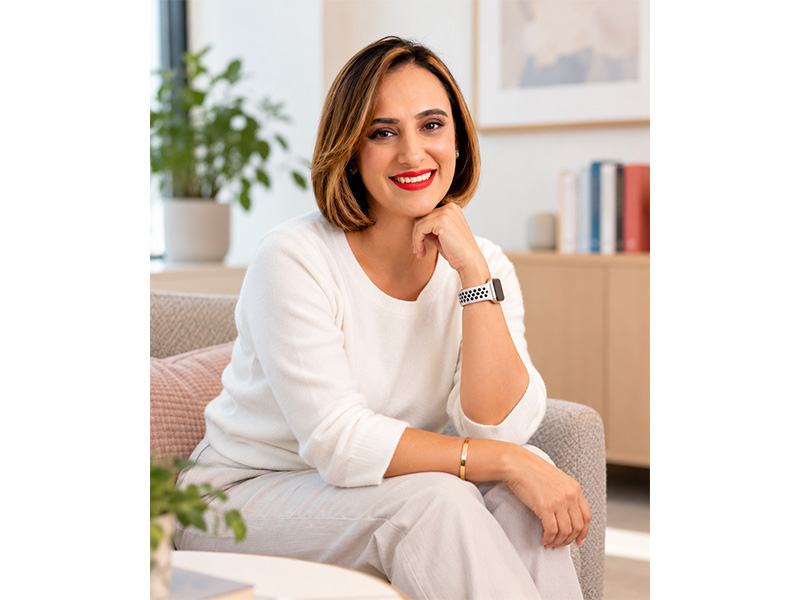
Sometimes, weekly therapy for ADHD or anxiety may not be enough – that’s where intensive therapy comes in. Here, Founder and Lead Clinical Psychologist of Psych Connect, DR SANVEEN KANG, chats to us about her new outpatient programme The Sama Collective that offers intensive therapy for young people aged 12 to 25. She walks us through how this kind of therapy for young people and kids can help and why families play a key role.
What prompted you to launch The Sama Collective?
The Sama Collective grew out of years of work with young people at Psych Connect who had tried therapy for anxiety, ADHD or depression, moved in and out of inpatient care, or attended residential and international rehabilitation programmes.
Often, they made progress, but when they came home, the everyday pressures were still there: the same school, family relationships, routines, university demands and questions about work or independence. For some young people, residential or international rehabilitation is what they need. But not every young person who needs intensive support needs to leave home to recover.
I founded The Sama Collective to bridge that gap, providing a structured, multidisciplinary outpatient programme focused on functional recovery. This is very much a heart project for me. “Sama” represents balance, steadiness and coming back into alignment. “Collective” reflects the fact that sustainable change rarely comes from one clinician working alone.
At the centre of the programme is a simple idea: therapy should be built around your life, not your life built around therapy. Routine is not something we wait to restore after treatment but a part of treatment.
What challenges does this therapy programme for young people help with?
We accept new clients aged 12 to 25, and may provide therapy for young people with anxiety disorders, depressive disorders, ADHD, autism, trauma-related difficulties and other complex presentations. What usually brings a family to us, though, isn’t diagnosis alone. It’s functional decline, such as school refusal, social withdrawal, emotional dysregulation, disrupted sleep and routines, avoidance, executive functioning difficulties or increasing dependence on parents. We ask: what has happened to this young person’s ability to live their everyday life?
We’re also clear about our boundaries. We don’t replace inpatient care, specialist medical treatment or specialist rehabilitation, and we wouldn’t be appropriate for someone requiring medical treatment for an eating disorder, management of acute psychosis, inpatient care due to imminent risk, or specialist substanceuse treatment. Every young person goes through a careful intake process before suitability is confirmed.
What exactly is intensive therapy, and how is it different from conventional therapy?
Intensive therapy is not simply more appointments. The difference is in coordination, structure, frequency and accountability. Depending on the young person’s needs, care may draw from psychology, occupational therapy, counselling, family therapy, art psychotherapy, coaching, educational therapy and speech and language therapy, alongside psychiatrists in Singapore where psychiatric input is required. There is one coordinated treatment plan and shared functional goals.

The second major difference is that everyday life becomes part of treatment. If someone is learning regulation, we want to know if they can use it before school. If we’re working on avoidance, we want to see their world becoming larger. The question isn’t simply, “Did therapy go well?” It’s, “Is life changing?”
Why is it a 16-week programme?
Sustainable change needs a strong foundation. The first four weeks focus on stabilisation, such as understanding the young person, restoring routine, beginning regulation work and identifying what is maintaining the difficulty. Weeks five to 12 focus on active intervention and skillbuilding. The final four weeks focus on generalisation, making sure change holds in everyday life.
We also track progress through structured assessment and regular monitoring, so treatment isn’t guided only by whether someone seems to be feeling better. Sixteen weeks gives us time to stabilise, build, test and consolidate change while keeping the programme focused and time-limited.
When we talk about kids who are “not in immediate crisis, but are no longer functioning”, what does that look like?
It often happens gradually. A child misses one day of school. Then Mondays become difficult. Then presentations are avoided. Eventually, the whole family is waking up wondering whether school will happen that day.
A teenager may stop seeing friends, give up activities, sleep increasingly late and spend most of their time in their room. A university student may still be enrolled but no longer really participating. A young adult may want independence but be unable to apply for jobs or organise their day.
Sometimes these young people look completely capable from the outside, but their world is getting smaller. We pay attention to declining routines, avoidance, withdrawal, emotional shutdown and increasing dependence on parents. It’s the trajectory that matters.
Family support seems to be an important part of the programme. What role can families play in this therapy programme for young people and kids?
Families are central to The Sama Collective. That doesn’t mean blaming parents. When a young person has struggled for a long time, the whole family naturally adapts around the difficulty. Parents may take over more responsibilities, reduce demands or avoid situations that trigger distress. We help families understand which patterns help and which may be maintaining avoidance or dependence.
For many young people, the important work is learning to regulate, communicate and become more independent within the family environment they’ll continue to live in. That’s why family involvement is built into the programme from the outset.
How does The Sama Collective therapy programme work with a young person’s existing support system?
The programme has to be sustainable. We work with the systems that will still be there afterwards – parents, schools and, where appropriate, existing therapists, counsellors and psychiatrists. During the intensive phase, existing therapy, such as regular therapy for ADHD or anxiety, is usually paused so that there is one coordinated treatment plan. But The Sama Collective is built for transition, not replacement. Before discharge, we develop a personalised transition plan. A young person may return to their existing clinician, or we can help identify appropriate ongoing care. Progress has to last beyond the programme.
If a family feels this could be right for their child, what should they do next?
Start with a conversation. Every referral goes through a careful onboarding process, beginning with an enquiry, followed by intake, a comprehensive clinical interview and assessment. We review current functioning, risk, previous treatment, family context and existing support systems before confirming suitability. If another level of care would be safer or more appropriate, we’ll say so. The purpose of that first assessment isn’t to convince a family they need The Sama Collective; it’s to understand what this young person needs next.
The Sama Collective
51 Cuppage Road, #04-02
9109 2024 | [email protected] | thesamacollective.sg
If you liked this article on The Sama Collective and therapy for young people and kids dealing with anxiety or ADHD, check out our Health & Fitness section for more stories like this.
This article first appeared in Expat Living magazine. You can purchase the latest issue or subscribe so you never miss a copy!
Don't miss out on the latest events, news and
competitions by signing up to our newsletter!
"*" indicates required fields