
Professional genealogist LORNA KINNAIRD shares advice for anyone in Singapore with Scottish heritage who might be keen to trace their roots and discover more about the family members who came before them.
I don’t seek to make my clients cry, but recently a client came to me with almost nothing. He knew of a great-great-grandfather born somewhere on the Isle of Mull, during a rough timeframe. He wasn’t sure on parents or location within the island, and he thought he was stumped. That is when he asked for professional help.
Three weeks later, armed with the information on his ancestors, he stood with his family in the ruins of the cottage of his ancestors on Mull, tears streaming down his face, as he also learned from a local historian about the families who had lived on that ground for generations.
That is why people trace their Scottish roots. Not to tick a box, but to feel that connection to a place, to a surname, to a story. And for the millions of people across Asia and beyond who carry some thread of Scottish heritage, the good news is that you don’t need to be in Scotland to start.
Scotland’s records are among the best in the world, and many of them can be found online.
Where do the records begin?
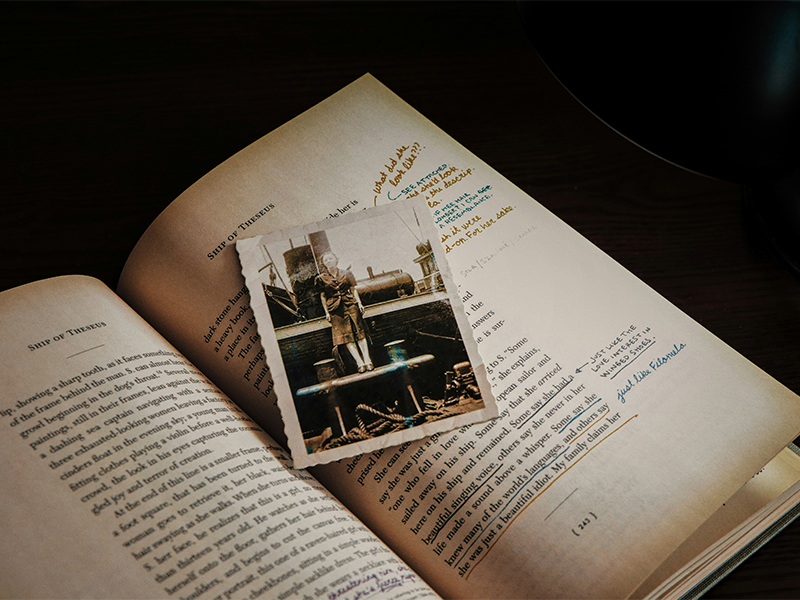
Vital records in Scotland, meaning births, marriages and deaths, began in 1553 with the Old Parish Registers, which were kept by the Church of Scotland. These ran until 1 January 1855, when the state took over statutory registration.
That handover year, 1855, is what we genealogists call the golden year: the year in which birth records include the most information on both parents, the number of children born to the mother, where they married and much more. If you can find an ancestor in 1855, you’ve struck gold.
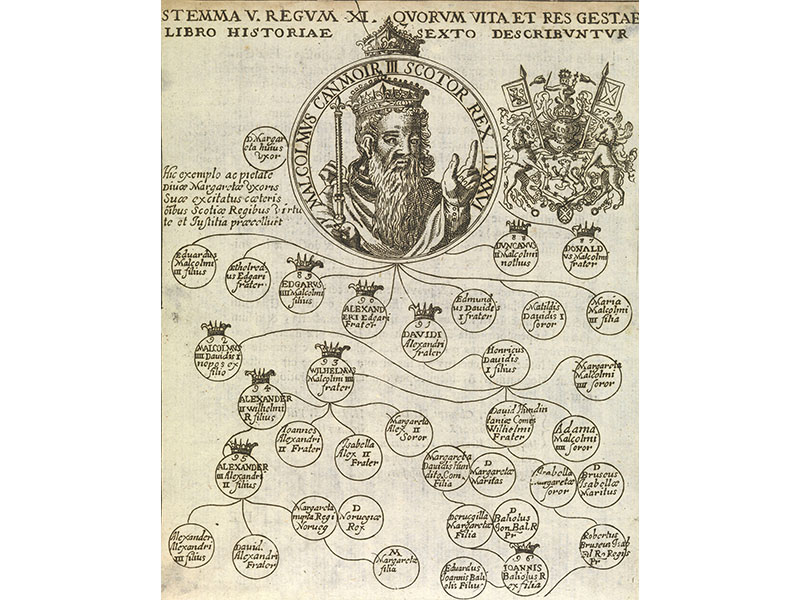
Before 1553, records exist in the form of Charters, but these tend to cover families who owned land (often written in Latin), estate papers and military records. Finding a working ancestor that far back is difficult but not impossible, and every family tree has the potential to go further than people expect.
How to access them
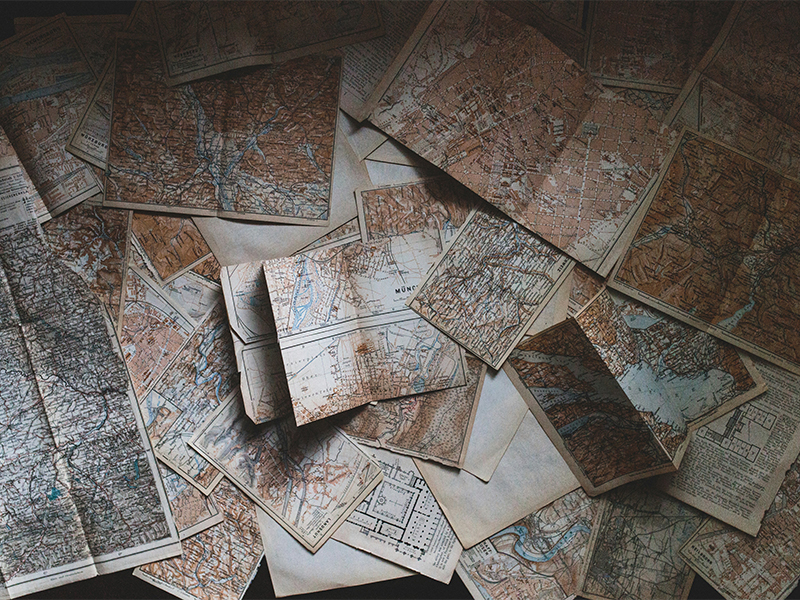
The backbone of Scottish genealogical research is ScotlandsPeople, an online platform run by the National Records of Scotland. This is where you start. From there, the National Library of Scotland holds estate records, military records, maps and local collections that can fill the gaps the vital records leave. For very local detail, including islands like Mull or the Outer Hebrides, local archives and museum collections are often extraordinarily rich in surname documents.
That’s your four-step framework: ScotlandsPeople, National Records of Scotland, National Library of Scotland and local archives.
Most of this is accessible from Singapore with nothing more than a laptop. The one exception is recent records: births less than 100 years old, marriages less than 75, and deaths less than 50 are protected under Scottish data law and require a visit to Edinburgh.
Where people get stuck
The most common problem is names. Scotland has a vast pool of common surnames, and you may find multiple people called John McDonald born in the same parish in the same decade with fathers of the same occupation.
The key is to use every record available together: baptism entries, proclamations of marriage, census returns, estate rentals. Scotland also has the unique advantage of recording the mother’s maiden surname in many early records, which may help untangle the Johns.
DNA testing can also help, particularly if you’re trying to establish clan affiliation or confirm a line. Combined with documentary research, it can be remarkable.
When to call in an expert
If you’ve hit a dead end or your research doesn’t match your DNA results, that’s usually the moment to seek professional help.
An accredited genealogist can spot where a line of research has gone wrong, suggest records you may not know exist, and help you interpret what documents are really telling you, which is not always what they appear to say at first glance.
Census returns in particular can be misleading: women routinely adjusted their ages, grandchildren were sometimes recorded as a son or daughter when living with their grandparents, and people who crossed the border appeared simply as born in “England” or “Ireland” with no parish recorded.
The skill is in knowing what a document isn’t telling you, as much as what it is. The information is only as good as the informant recording it, and it’s wise not to take any document at face value unless you can triangulate the information with other sources.
The pull of it
Scotland’s history has never belonged to one story alone. The diaspora it sent across the world, through emigration, through empire, through trade and war and simple restlessness, means that many more roads lead back to Scotland than people realise. It keeps surprising me.
The Society of Antiquaries of Scotland, Scotland’s oldest heritage charity, is currently raising funds to establish the country’s first national heritage hub in Edinburgh, with the vision that Scotland’s past belongs to everyone, wherever they are in the world. For those of us who do this work, it’s a vision worth supporting. If you’re ready to start, the records are waiting.
ScotlandsPeople: scotlandspeople.gov.uk
National Records of Scotland: nrscotland.gov.uk
National Library of Scotland: nls.uk
Dunedin Links Genealogy: dunedinlinks.scot
Society of Antiquaries of Scotland Heritage Hub: socantscot.org/heritagehub
About the writer
Lorna Kinnaird PGDip FSAScot is a professional genealogist and accredited researcher based in Edinburgh. She’s the founder of Dunedin Links Genealogy and has been researching Scottish family history for 40 years.
This article first appeared in The October 2026 Expat Living magazine. You can buy the latest issue or an annual subscription or read the digital version free now.
Don't miss out on the latest events, news and
competitions by signing up to our newsletter!
"*" indicates required fields