Outdoor education experiences are valuable and vital for kids (and fun too!). But how can experiential learning outdoors be incorporated into the curriculum as much as learning in the classroom? We look at how some top schools in Singapore include it.
UWCSEA – Outdoor Education programme starting from Kindergarten

The Outdoor Education programme is a powerful part of the UWCSEA experience. It provides students with opportunities to develop the UWCSEA Learner Profile qualities of resilience, commitment to care, self management, communication and collaboration.
Outdoor Education at UWCSEA begins in K1 and K2. Students build confidence, curiosity and a connection to nature by exploring the natural, creative and social outdoor environments on Dover and East Campuses. From Grade 1 onwards students begin taking field trips across Singapore, forming connections with the wider community. This culminates in their first ‘expedition’–a sleepover at school. Starting from Grade 2, expeditions expand in scope at every grade-level and in Grade 11 students undertake an independently planned Project Week overseas or in Singapore. UWCSEA expeditions are guided by dedicated staff and expert partners.
A core principle of the College’s Outdoor Education programme is the ethos of ‘Challenge of Choice’. This means that each student is encouraged to assess their own readiness and select an appropriate level of challenge during outdoor activities. Grounded in the belief that powerful learning happens when students step beyond their comfort zone, ‘Challenge of Choice’ recognises that every individual’s comfort level and personal growth pathway is different. Students learn to make responsible choices, while contributing to a supportive atmosphere in which everyone encourages one another’s growth. This shared respect helps build confidence, strengthens relationships and supports the development of individual and group wellbeing.
A recent outdoor education activity
In 2025, a group of Grade 9 and 10 students from East and Dover campuses took part in a journey along Japan’s sacred Kumano Kodo trail. The Kumano Kodo is one of only two UNESCO World Heritage pilgrimage routes in the world, winding through the Kii Mountain Range to the revered Kumano Sanzan shrines.
Over nearly five days, students hiked more than 80 kilometres and climbed nearly 4,000 metres exhibiting grit and teamwork. This expedition invites students to reflect, and develop a deep appreciation for Japanese culture, history and nature. Students learned how to pitch tents, cook meals, and care for themselves and each other in a remote, unfamiliar environment. They encouraged one another when the hike became challenging, overcoming fatigue and finding joy in the simple act of walking, talking and taking in the beauty of sakura in full bloom.
- Dover Campus: 1207 Dover Road | 6774 2653
- East Campus: 1 Tampines Street 73 | 6305 5353
Dulwich College (Singapore) – outdoor learning programmes

From service learning and academic excursions to outdoor education and expeditionary experiences, experiential learning is a defining part of life at Dulwich College (Singapore).
The College believes that true education is nurtured through exploration, strengthened through challenge, and grounded in environmental, personal and social responsibility. Through these experiences, students develop curiosity, creativity and critical thinking. At the same time, they learn to adapt, collaborate and persevere with empathy, integrity and purpose.
Each year, Adventure Week provides students with powerful opportunities to build confidence and capabilities in real-world settings. In Junior School, students focus on developing a broad range of core competencies. On water, they paddle a variety of craft; on land, they hike and cycle; at camp, they cook for themselves, build shelters and learn essential outdoor skills such as fire-lighting and teamwork.
In the Senior School, students take part in progressively more demanding expeditions that encourage independence, leadership and resilience. These outdoor learning experiences include travelling by raft, stand-up paddleboard, bike or on foot. This journey culminates in Year 12, when students design and plan either their own expedition or adventurous service project, bringing together years of skill-building, reflection and purposeful action.
Throughout the academic year, students can further their learning through a rich range of experiential Co-Curricular Activities. These include Beavers, Cubs and Scouts, Outdoor Adventure, the Duke of Edinburgh’s International Award, and a Learn-to-Cycle programme.
Programmes that bring experiential learning outdoors
Dulwich College (Singapore) was the first international school in Singapore to introduce Forest School within its Early Years provision. It remains the only accredited Forest School programme in the country. Rooted in the Nordic concept of friluftsliv or “open air living”, Forest School uses the natural environment as both classroom and teacher. Through self-directed exploration, children build emotional resilience, develop academic and physical skills. They also learn to manage risk thoughtfully and confidently, guided by curiosity and care for the world around them.
Each year, Year 9 students have the opportunity to spend a 12-week term at the College’s sister school, Hochalpines Institut Ftan, set high in the Swiss Alps. With three terms available annually, this immersive experience offers students a transformative expedition of learning, combining academic study, outdoor education and personal reflection in one of Europe’s most striking landscapes.
71 Bukit Batok West Avenue 8
6890 1003 | singapore.dulwich.org
Singapore American School – experiential learning in the Interim Semester
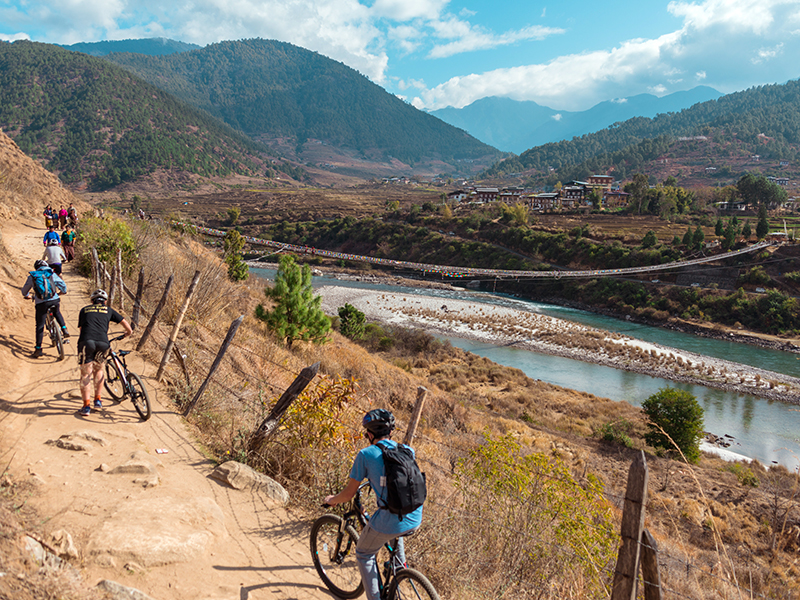
For one week during the second semester, all regularly scheduled high school courses at Singapore American School (SAS) cease while students and teachers participate in the Interim Semester (IS). This global programme is a required off-campus experience designed to provide high school students with diverse educational experiences beyond the curriculum.
First started 50 years ago, IS allows small groups of students and teachers to explore a challenge, theme or place between the first and second terms. Its goals include challenging oneself, working with peers, getting to know teachers outside the school setting, exploring new places, skills and subjects, and helping others.
The experiential learning courses vary from year to year. They will range from activities in Singapore to international trips to nations in the Asia-Pacific region and beyond. Some opportunities offered to SAS students include trekking in the Himalayas of Nepal, service in the Philippines, exploring the spirituality and culture of Tibet, investigating the history of Turkey, student teaching at SAS’s elementary and middle schools, and sailing or golfing in Singapore.
A student recalls a recent global learning experience
“We’re always reminded of how lucky we are but it was the interactions with Ramabai and the school children, especially the girls, that revealed to me how going to school and the ability to make my own life choices are luxuries, not rights. I also learned that community work is not a one-sided phenomenon; I took back invaluable life lessons from the time we spent providing means to stabilise and strengthen another community. Eight days in Udaipur had planted seeds of change in each of our hearts. I won’t need any pictures to remember my first Interim Semester experience and I can’t wait for more similar opportunities in the years to come.” – Rahini Takalkar, Class of 2021
40 Woodlands Street 41
6363 3403 | sas.edu.sg
Looking for more ways to engage your child in experiential learning? Get ideas from our Kids section, such as quirky museums to visit in Singapore. Also, check out some free water parks and playgrounds in Singapore!
Don't miss out on the latest events, news and
competitions by signing up to our newsletter!
By signing up, you'll receive our weekly newsletter and offers which you can update or unsubscribe to anytime.