A broken bone may be a common injury for kids, but it doesn’t make it less nerve-wracking (for parent and child alike) when it happens! We chat with DR ZACKARY CHUA, Senior Consultant Orthopaedic Surgeon at ACME Orthopaedics, about the most common types of bone fractures in kids as well as treatment options.

What defines a broken bone?
A broken bone, also known as a fracture, is a disruption of the normal bone architecture due to trauma. It’s a common injury in kids due to their nature of being active and falling over more often as their sense of balance is still developing. It typically improves with age.
Which types of bone fractures do you most often see in young patients?
I see different types of bone fractures. Children’s bones are more elastic compared to adults; this means some bone fractures in toddlers are bones that are not actually broken but bent to the point that they can affect them into adulthood. The most common areas of broken bones I see in children are the wrist and elbow.
What are some treatment options?
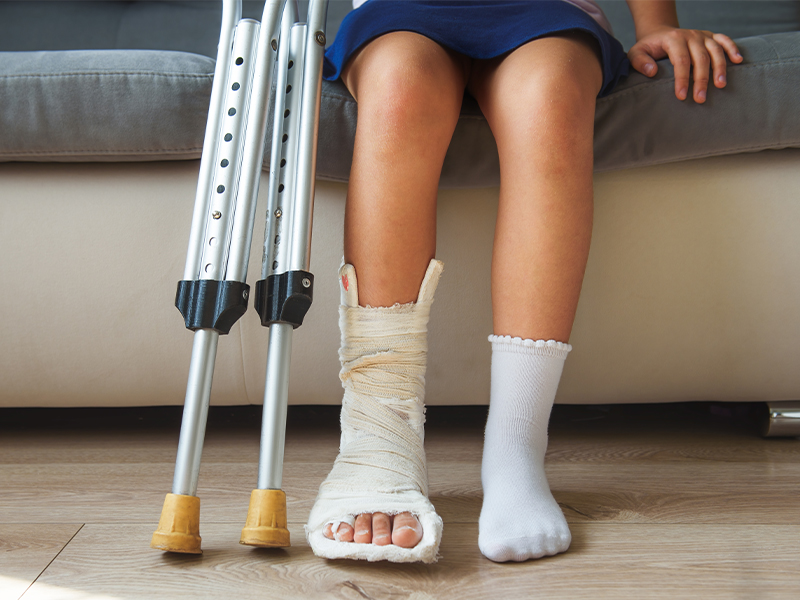
The good news is that most fractures or broken bones in children don’t require surgery. Treatment options include protection with a splint or casting; these methods are used for minor bone fractures. Surgery is only reserved for severe fractures or when the type of bone fracture exceeds the child’s own natural healing ability and risks causing a permanent deformity.
As a parent, what should I do – or not do – when my child breaks a bone?
The most important thing is to immobilise the injured limb – you can use a temporary splint or a cloth sling. Then seek medical attention immediately. You should not attempt to straighten the deformity. Try not to use food to comfort your child either, because this can delay urgent surgery in the event that it’s needed.
Can it affect growth or future bone health?
Yes, it can. This depends on the severity of the broken bone. Injuries that affect the growth plate (physis) can result in a permanent limb deformity or shorter limb length. Thankfully, these types of fractures are rare.
Are there ways to lower the risk in very active kids?
A healthy, balanced diet ensuring adequate calcium is important, as is spending time under the sun during play to help the body synthesise vitamin D. Moreover, parents should supervise higher-risk activities and ensure proper protective equipment is used. An example would be protective gear during rollerblading.
About the doctor
Dr Zackary Chua is a senior consultant orthopaedic surgeon with dual specialisations in foot and ankle surgery and paediatric orthopaedics. His years of training and experience in Singapore, Australia and the UK have given him the knowledge and skills required to ensure a smooth recovery journey in patients.
ACME Orthopaedics
• #05-36 Mount Elizabeth Novena Specialist Centre, 38 Irrawaddy Road
• #03-06 Parkway East Medical Centre, 319 Joo Chiat Place
6956 6588 | WhatsApp 8877 3318 | acmeortho.com.sg | info@acmeortho.com.sg
This article on ACME Orthopaedics, different types of bone fractures and broken bone treatment first appeared in the November 2025 edition of Expat Living. You can purchase the latest issue or subscribe so you never miss a copy!
To make the most of living in Singapore, read our latest City Guide here for free!
Don't miss out on the latest events, news and
competitions by signing up to our newsletter!
By signing up, you'll receive our weekly newsletter and offers which you can update or unsubscribe to anytime.