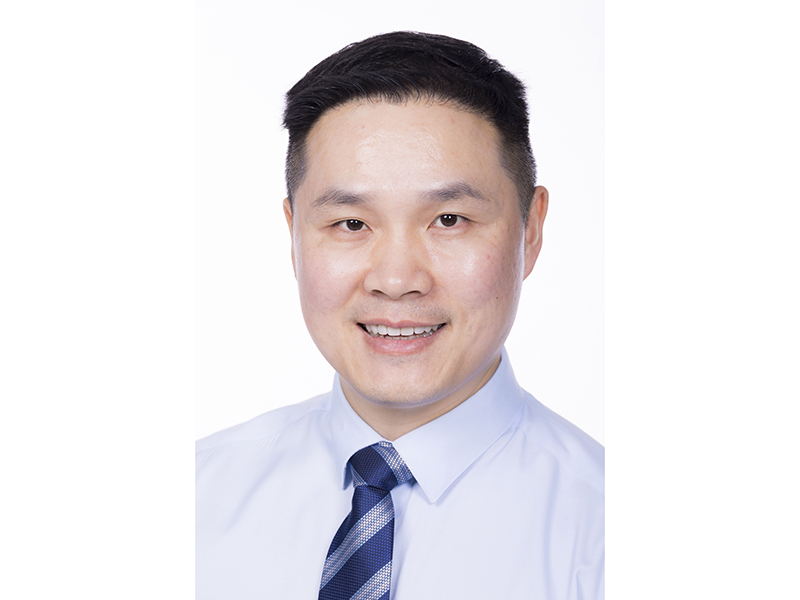
SJI International Elementary School believes that when children from five to 12 years feel supported and understood, they’re capable of learning deeply, confidently and meaningfully in more than one language. DR GARY GUO, Director of Bilingual Programme, explains how two-way immersion in Chinese and English is designed for students to master and excel both languages from an early age. Two of the school’s educators and a student also share their experiences.
How is two-way immersion applied in lessons at SJI International Elementary School?
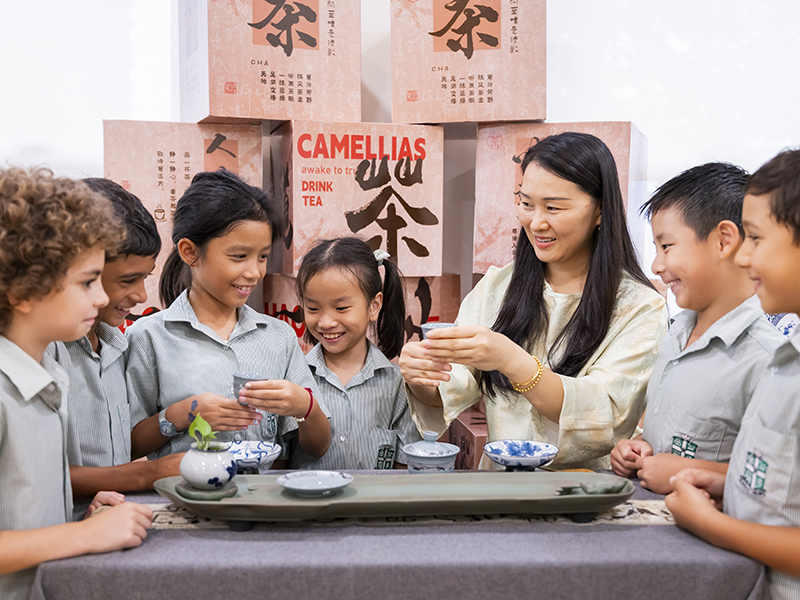
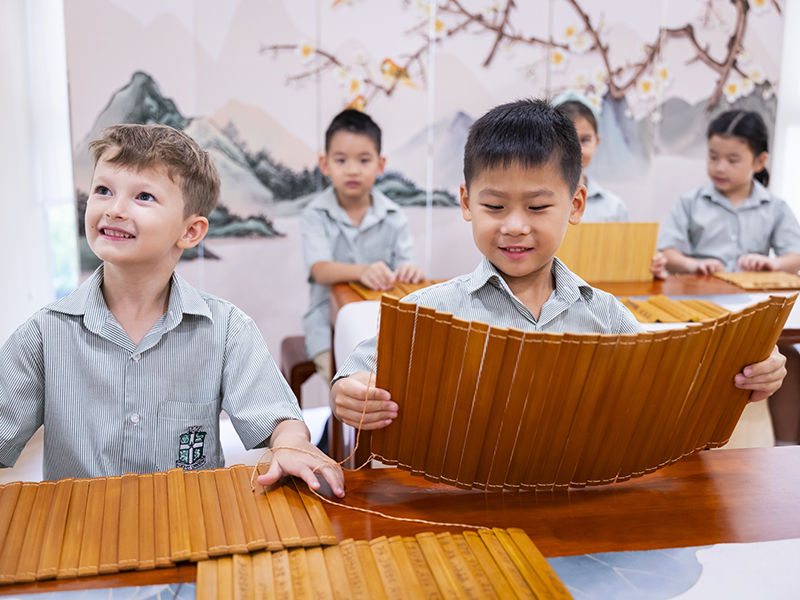
In the classroom, bilingual learning is experienced as something natural and purposeful rather than forced. Children use each language to explore ideas, solve problems, and collaborate with their peers – not simply to practise vocabulary.
This is supported through a carefully designed two-way immersion model. Lessons follow a balanced 50-50 language allocation, with academic subjects taught exclusively in English for half the time and exclusively in Chinese for the other half. Teachers do not translate between languages, encouraging students to develop deep academic thinking directly in the language being used.
Classrooms are intentionally mixed, bringing together native speakers of both languages, as well as students from diverse cultural backgrounds. This creates an authentic environment where children naturally support one another – explaining ideas, modelling language use, and building understanding and international mindedness together.
Through this daily interaction, language becomes a tool for learning rather than an obstacle, helping students develop high levels of biliteracy alongside academic excellence.
What support will pupils who join the Bilingual Programme at upper grades get to help them “catch up”?
The key challenge is bridging the CALP gap in the partner language, as their peers have had years of exposure.
Parents often ask what happens if a child joins the bilingual programme in the upper grades. It’s a valid concern, and one the school plans for carefully.
Students who enter later to SJI International Elementary School are supported through a combination of targeted language support, thoughtful classroom strategies, and peer connection. Support is layered across three strategies:
- Students receive targeted “pull-out” or “push-in” sessions. These specifically focus on academic vocabulary and complex sentence structures needed for their current Grade core subjects.
- Classroom teachers utilise the Sheltered Instruction approach. They make complex content comprehensible by using visual aids and graphic organisers, and simplified texts to support understanding.
- The two-way immersion model’s strength is leveraged through a designated “buddy system”. Native-speaking peers model language use and provide natural, continuous support during collaborative tasks. This sense of belonging allows confidence to grow alongside language skills. This ensures children feel supported both academically and emotionally as they settle into bilingual learning.
Hear from two elementary school educators how two-way immersion helps with language acquisition and fluency:
“Well-implemented two-way immersion programmes are among the most impressive forms of education available in the United States. Students who participate in these programs gain grade level academic ability, well-developed language and literacy skills in two languages, and cross-cultural competence.” – Donna Christian, Center for Applied Linguistics, SJI International Elementary School
“Two-way immersion supports language acquisition by immersing students in authentic, daily language use with both native and non-native speakers. Students learn from one another, take risks in a supportive environment and develop fluency as language becomes a tool for thinking, collaborating and learning, rather than just a subject being taught.” – Mengyao Wang, Head of Bilingual (Chinese), SJI International Elementary School

Hear from an SJI International student:
“My parents really wanted me to learn Chinese more deeply. They chose the Bilingual Programme because we use Chinese for half of our lessons, even for subjects like Maths and IPC. It’s challenging, but it makes the language stay on your head. It’s very different from just having a Chinese lesson, because you’re actually using the language while you’re learning other things.
When I joined the programme in Grade 2, I definitely felt lost at first, especially on Chinese days during Science. It’s only been two years and now I can talk to my Chinese friends and understand my teachers much more easily. My teacher says my brain is getting ‘super flexible. It means I can switch between Chinese and English when I’m solving tricky problems. That’s made me feel much more confident.
I was worried that learning two languages at school might make me forget Russian, but it didn’t! Switching between English and Chinese on alternating days has actually made me better at all my languages. Now, when I see a new word in Russian, I can notice how it’s similar to English, which helps me remember it faster. Having three languages feels like having three different tools I can use, depending on what I’m doing!” – Maxim Naumov, Russian, Grade 4
Attend an Open House to learn more about the school’s two-way immersion bilingual programme
Want to know more about the immersive programmes for Elementary School students and campus facilities of SJI International? Register for the upcoming webinar to see it for yourself; the next one is on 23 April. Spaces are limited so register your spot early!
490 Thomson Road
6353 9383 | sji-international.com.sg
Liked this? Read about the some of the fun family activities at SJI International Preschool. Then head to our Kids section for ideas on things to do with kids! To make the most of living in Singapore, read our latest City Guide here for free!
Don't miss out on the latest events, news and
competitions by signing up to our newsletter!
"*" indicates required fields