
Could those nagging leg cramps be worth looking into? Here, DR LEONG CHUO REN from The Vascular & Endovascular Clinic shares his views on a relatively little-known condition called peripheral vascular disease, from what it is to the symptoms to watch out for.
The first signs of peripheral vascular disease
Recently, a 50-year-old gentleman was referred to our practice with symptoms of right leg pain. He had been experiencing an aching sensation in his right calf which occurred only when walking. This had developed gradually over a year, and his current walking distance was around 100 metres before symptoms appeared. The pain would resolve with brief rest but recurred when he resumed walking the same distance. He worked as a project site manager and played golf weekly, so these symptoms were significantly impacting his work and lifestyle.

He had no significant medical issues like hypertension or diabetes. But he had been a heavy smoker for many years and had switched to vaping 10 years ago.
On examination, he had no evidence of wounds or other external abnormalities. However, he did have a significant decrease in pulses on the affected limb. The overall scenario was highly suspicious for that of an arterial blockage – a classic symptom of peripheral vascular disease.
He underwent investigations which confirmed his peripheral vascular disease, with a blockage of a blood vessel in his thigh. The patient was treated with a combination of medical therapy, lifestyle modification and subsequently a minimally invasive intervention which resolved his symptoms. He was then able to resume his daily activities without issues.
7 Frequently Asked Questions
Could this patient’s peripheral vascular disease have been diagnosed earlier if he had recognised the signs? What is this condition, and could vaping have contributed to it? Here, I answer some of the most common questions I get asked about peripheral vascular disease.
“What is peripheral vascular disease?”
Peripheral vascular disease, or PVD/PAD, is a chronic circulation disorder that affects the blood vessels outside the heart and brain. Plaque buildup inside the blood vessels causes them to narrow, block or spasm. This reduces blood flow to the limbs, most commonly the legs and feet, although it can also affect other organs such as the kidneys, abdomen and arms. “
“What are some of the common symptoms?”
Symptoms of peripheral vascular disease range from mild or non-existent to severe and debilitating. The most common is intermittent claudication, which is painful leg cramps or aches that occur with exercise and ease with rest.
Other signs and symptoms include numbness, weakness, coldness or tingling in the legs or feet, skin changes such as shiny skin, brittle or slow-growing toenails and hair loss and slow-healing wounds on the toes, feet or legs. In men, it can also lead to erectile dysfunction.
“Is peripheral vascular disease common? Are there any risk factors associated with it?”
The global prevalence of peripheral artery disease is around 1.52 percent. This is increasing, particularly in high-income countries, affecting 113 million people aged 40 and over. Importantly, the majority of people with peripheral vascular disease have silent or asymptomatic disease – up to 50 percent. The prevalence of symptomatic patients is lower, around two to five percent, but still a very significant number.
The major risk factors for peripheral vascular disease include age, diabetes, smoking, high blood pressure and high cholesterol.
“I’ve heard that vaping is a safe alternative to smoking for peripheral vascular disease. Is that true?”
The simple and important answer is no! Worldwide, the number of traditional smokers has been decreasing but the number of vape users has increased exponentially. Contrary to popular belief, even in nicotine-free products, harmful substances in e-cigarette aerosol can impair blood vessel function, stiffen arteries and promote plaque buildup, which significantly harms the arteries.
While the risk is generally lower than traditional smoking, evidence shows vaping contributes to cardiovascular complications. Vaping should not be seen as a safe alternative, especially for those with existing peripheral vascular disease.
“How is PAD diagnosed?”
The most important part of diagnosing a person with peripheral vascular disease starts with a good thorough history and physical exam, paying particular attention to any existing medical history and identifying relevant risk factors.
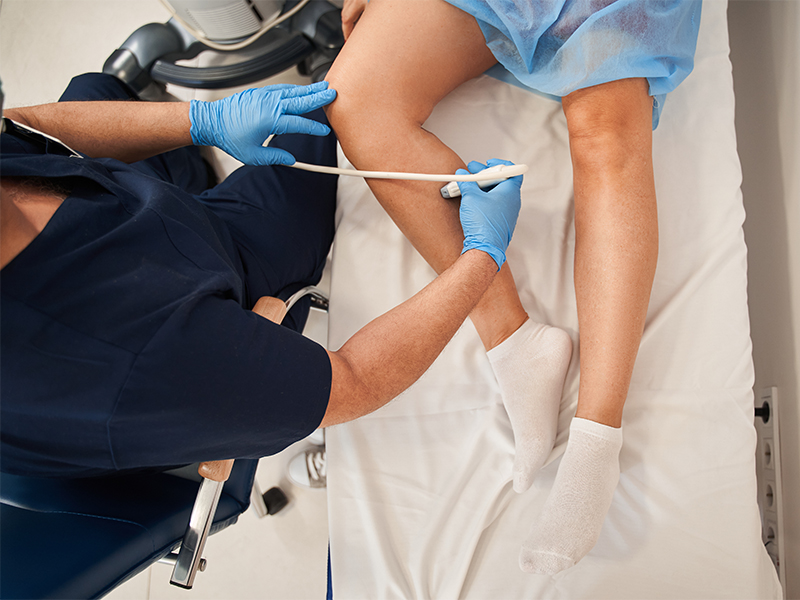
Common diagnostic tests include an Ankle Brachial Index (ABI). It is a simple pressure test that compares the blood pressure in your ankle with that in your arm. A low ABI may indicate the presence of PAD. Ultrasound uses sound waves to visualise blood vessels and measure blood flow. CT scans are also used to identify vessel blockages involving other parts of the body such as the thorax, abdomen and pelvis. Invasive studies like angiography involve injection of contrast dye into the artery and X-rays are used to create detailed images of blood flow and blockages.
“What happens if I ignore it?”
Left untreated, peripheral vascular disease can lead to serious and potentially life-threatening complications, including critical limb ischaemia, which is a severe reduction in blood flow that causes severe pain at rest. This can lead to tissue death (gangrene) and amputation of the affected limb.
The same atherosclerosis that causes PAD can also affect arteries of the heart and brain, leading to heart attacks and strokes.
“What are some treatment options available?”
The goals of treatment are to manage symptoms, slow the disease’s progression and reduce the risk of complications. Options range from lifestyle changes to medication and surgery.
Lifestyle modifications include smoking cessation, regular exercise and maintaining a healthy diet low in saturated fat, cholesterol and sodium. Aggressive management of diabetes, high blood pressure and high cholesterol is also crucial. Meticulous foot care is also vital to prevent infections from developing in slow-healing sores.
Medications such as antiplatelets to prevent blood clots, statins to lower cholesterol levels and slow plaque buildup and blood pressure medications to manage hypertension are crucial. Certain medications like cilostazol can also help improve walking distance.
If the condition is severe, more invasive treatments may be necessary. These include an angiogram or angioplasty in which a balloon catheter is inserted into the artery and inflated to widen the blocked area. A stent may be placed to keep the artery open. Surgical procedures include bypass surgery, which utilises a conduit graft from another blood vessel or a synthetic tube to reroute blood flow around a blockage
About the doctor
Dr Leong is a senior consultant vascular and endovascular surgeon at The Vascular & Endovascular Clinic, previously serving as Head of Vascular Surgery at Khoo Teck Puat Hospital.

The Vascular & Endovascular Clinic
Locations at Gleneagles Medical Centre, Mount Elizabeth Orchard Medical Centre, Mount Elizabeth Novena Specialist Centre, Farrer Park Hospital and Parkway East Medical Centre.
6252 7138 | WhatsApp 9173 0272
vascularclinic.sg | enquiries@vascularclinic.sg
This article about leg cramps, peripheral vascular disease and The Vascular & Endovascular Clinic in Singapore first appeared in the December 2025 edition of Expat Living. You can purchase the latest issue or subscribe, so you never miss a copy!
Don't miss out on the latest events, news and
competitions by signing up to our newsletter!
By signing up, you'll receive our weekly newsletter and offers which you can update or unsubscribe to anytime.