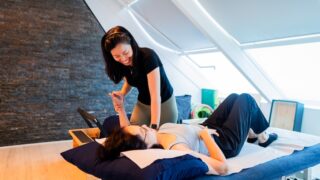
If you or a loved one has experienced a stroke, a brain injury or a neurological condition like Parkinson’s disease requiring rehabilitation, you’ve likely come across the term “neurorehabilitation”. But what is it, and who can benefit? DR JONG SZE CHIN, Rehabilitation Medicine Physician from Orthopaedic and Hand Surgery Partners, shares her insights into this specialised approach and what it involves.
What exactly is neurorehabilitation?
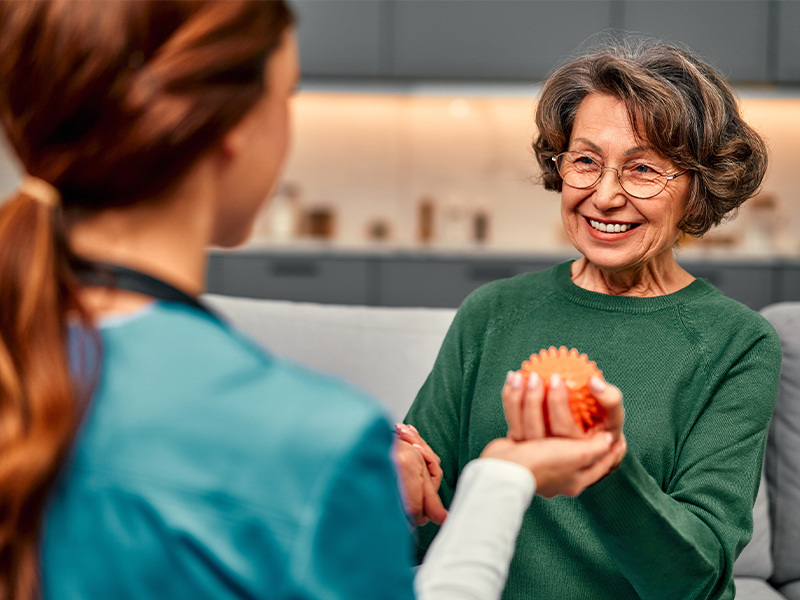
It’s a highly specialised, physician-led rehabilitation programme designed for people with diseases, injuries or disorders of the nervous system. Its goal is not always complete cure. Instead, it focuses on maximising independence, improving everyday function and enhancing overall quality of life.
Rather than treating symptoms in isolation, neurorehabilitation takes a holistic approach, addressing the physical, cognitive, emotional and social aspects of each individual’s condition. Because recovery is dynamic, every treatment plan is highly personalised and adjusted as the individual progresses.
What conditions can neurorehabilitation help with?
Neurorehabilitation benefits a wide spectrum of neurological conditions, from sudden acute injuries to progressive chronic diseases. Common conditions for rehabilitation include stroke, traumatic brain injury, spinal cord injury, Parkinson’s disease, cerebral palsy, multiple sclerosis, neuropathy and nerve damage.
Signs someone might benefit include difficulty walking, balancing or coordinating movement; weakness or motor control issues such as stiffness or tremors; sensory loss; memory problems or difficulty planning daily tasks; speech or swallowing problems; and loss of independence in daily activities. Early intervention often leads to better outcomes, so recognising these signs and seeking help promptly is important.
What does a programme involve?
Effective neurorehabilitation is a multidisciplinary journey tailored to each patient’s unique goals and recovery.
- A rehabilitation medicine physician leads the programme, providing diagnosis, formulating the rehabilitation plan and managing medical issues such as pain, spasticity and fatigue. They also monitor progress and adjust treatment as recovery evolves.
- Physiotherapists focus on improving strength, mobility and balance, often utilising advanced robotics and virtual reality to deliver high-repetition, engaging therapy that enhances neuroplasticity.
- Occupational therapists support individuals in regaining independence in daily activities and returning to work, including practical skills training and adaptive techniques.
- Speech and language therapists address communication, cognition and swallowing.
- Psychologists provide support for emotional, behavioural and cognitive challenges.
What are realistic expectations for recovery through neurorehabilitation?
The recovery journey is highly individual, influenced by factors like the diagnosis, severity of injury, time since onset, age and other medical conditions. While early, intensive and task-specific therapy is the standard for better outcomes, progress is rarely a straight line. It’s common to experience bursts of improvement followed by periods of plateauing.
A complete return to pre-injury function is not always possible, particularly after severe injuries or in progressive conditions like Parkinson’s disease. Even so, meaningful gains can continue for months, and success is measured not only by full recovery but by improvements in daily function, reduced pain and increased independence.
Do you have any advice for those supporting a loved one through neurorehabilitation?
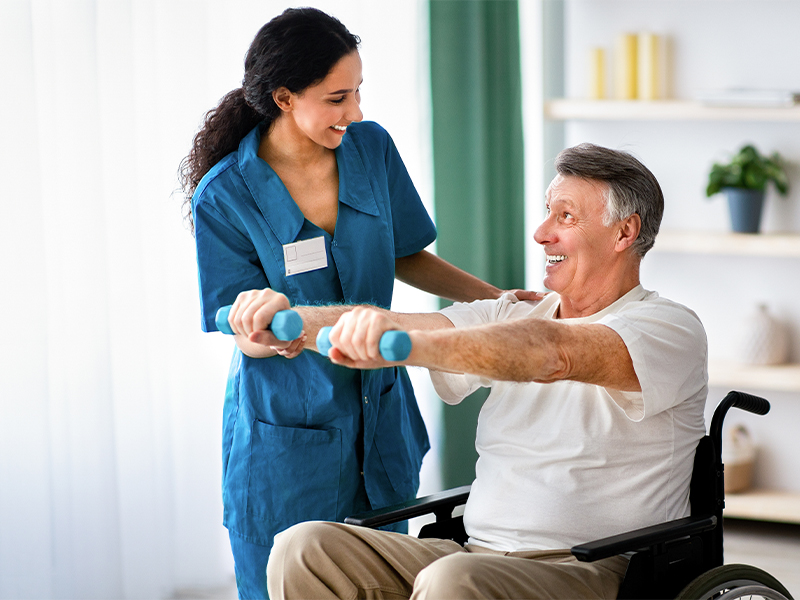
Be patient and encouraging – progress can be slow. Stay involved by participating in therapy sessions, learning the exercises and helping reinforce them at home. Create a supportive environment that promotes independence, communicate openly and listen to concerns. Don’t forget to watch for caregiver burnout and use community resources when needed. Regular communication with professionals ensures everyone is working towards the same goals.
About the doctor
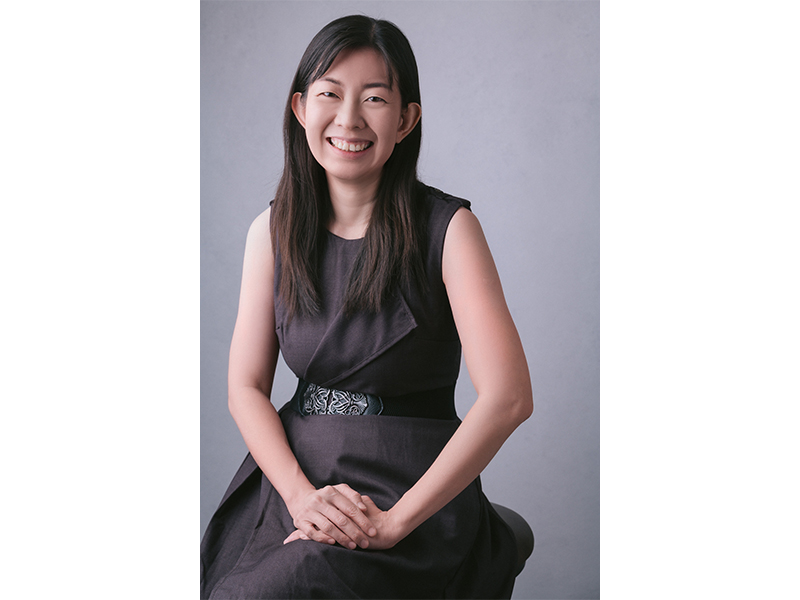
Dr Jong Sze Chin is a Rehabilitation Medicine Physician with expertise in neurorehabilitation, musculoskeletal and sports injuries, and cancer rehabilitation. She is experienced in minimally invasive therapies including platelet rich plasma, prolotherapy, dry needling, shockwave therapy and intrathecal baclofen management.
Orthopaedic and Hand Surgery Partners
• #03-37 Gleneagles Annexe Block, 6A Napier Road
• #06-08 Mount Alvernia Medical Centre A, 820 Thomson Road
6970 7748 | orthohandpartners.com | [email protected]
This article on neurorehabilitation, Parkinson’s disease and stroke rehabilitation first appeared in the June 2026 issue of Expat Living magazine. You can buy the latest mag or an annual subscription, or read the digital version for free now.
Interested in knowing about editorial options? Email us at [email protected].
Don't miss out on the latest events, news and
competitions by signing up to our newsletter!
"*" indicates required fields