
At what age do women usually experience menopause and can this be accelerated by cancer treatment? We sit down with Dr Lim Sheow Lei from OncoCare Cancer Centre and Dr Felicia Chin Hui Xian from Gynae Onco Partners to hear their perspectives on everything from early menopause to fertility preservation and managing symptoms.
Is there a link between early menopause and cancer treatment?
Menopause, defined as 12 months without menstruation, is a natural part of ageing for most women. It usually occurs at around age 49 in Singapore. Natural menopause is gradual, but cancer treatments can cause an abrupt drop in oestrogen levels and induce early or abrupt menopause.

This is particularly true for gynaecological cancer patients. Many gynaecological cancers (cancers that start in the female reproductive system, such as the uterus, ovaries, cervix and vagina) affect women at the typical age for menopause, with one-third of patients in Singapore under 50. Treatments often involve ovary removal, pelvic radiation or chemotherapy, all of which can suddenly halt hormone production and trigger early menopause with more severe symptoms.
Adding to the confusion, symptoms of menopause can closely resemble effects of cancer treatment or even signs of recurrence. In Singapore, muscle and joint pain is the most common symptom, affecting one in three women, whereas hot flushes are more typical in Western populations. These symptoms can heighten anxiety in survivors already carrying emotional trauma.

Despite the prevalence of these symptoms, many women fail to recognise them. Others may hesitate to voice their concerns due to cultural norms, societal stigma or the misconception that suffering in silence is part of the process. This silence can delay diagnosis and management.
It’s important for doctors to differentiate between symptoms due to cancer treatment and those due to hormonal changes. Menopause is often the missing piece in post-cancer care conversations.
– Dr Lim Sheow Lei, Senior Medical Oncologist at OncoCare Cancer Centre
For cancer patients looking to preserve their fertility before treatment and manage menopause symptoms, what are their options?
Fertility preservation and menopause management are two major concerns for gynaecological cancer patients. Preservation options require early and individualised discussions with oncologists and fertility specialists. Timing is critical as many decisions must be made before treatment starts.
For some early-stage cancers, we can consider ovarian-sparing surgery. In selected patients undergoing radiation, ovarian transposition (surgical hitching of the ovaries away from the radiotherapy treatment field) is an option. GnRH agonists during chemotherapy may protect the ovaries from chemotherapy-induced ovarian damage.

As for menopause management, treatment can trigger early menopause or worsen symptoms. For treating menopausal symptoms and preventing bone and heart disease, menopausal hormone therapy (MHT) remains the standard. It’s available orally, transdermally or vaginally. Other options include low-dose antidepressants, anticonvulsants, fezolinetant (a new class of neurokinin B receptor antagonist) and vaginal moisturisers and lubricants.
MHT is very effective for symptom relief; when used appropriately, especially for women before age 60 or within 10 years of menopause, the benefits usually outweigh the risks. However, it may not be suitable for all, especially women with hormone-sensitive cancers. Careful patient selection is key.
In addition, exercise, a healthy diet and avoiding caffeine or spicy foods help reduce hot flushes. Cooling the environment, wearing breathable fabrics and stress management techniques like meditation and yoga are also useful. There’s no one-size-fits-all solution. Management must be tailored, integrating medical, psychological and lifestyle strategies.
– Dr Felicia Chin Hui Xian, Obstetrician, Gynaecologist and Gynaecological Oncologist at Gynae Onco Partners
I’m struggling emotionally with menopause after cancer. What should I do?
Many cancer survivors are emotionally fragile. Addressing mental health is just as important as treating physical symptoms. The psychological burden of survivorship must not be overlooked.
Cognitive behavioural therapy (CBT) and counselling can improve mood, manage anxiety and support emotional resilience during menopause. Additionally, many patients may benefit from a survivorship care plan that includes a menopause specific roadmap, detailing what symptoms to expect, when to seek help and which options are suitable based on their medical history.
Oncologists need to do their part in integrating menopause screening into cancer survivorship programs. Regular assessments for symptoms such as bone loss, mood changes and cardiovascular risk can help guide timely interventions.
Moreover, emotional support is an essential pillar of recovery. Connecting survivors with support groups, therapists or even other patients experiencing similar challenges can help reduce the sense of isolation.
Ultimately, the success of managing menopause after gynaecological cancer rests not only in medical interventions, but also in the strength of the care network surrounding the patient – from oncologists and gynaecologists to primary care doctors and mental health professionals.
– Dr Lim Sheow Lei, Senior Medical Oncologist at OncoCare Cancer Centre
About the doctors
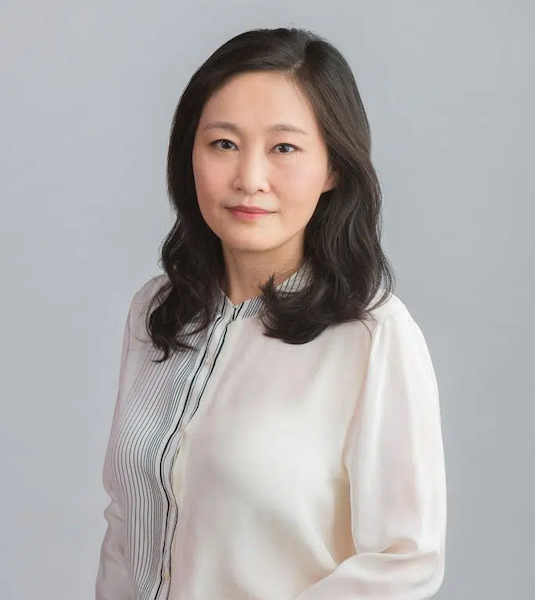
Dr Lim Sheow Lei is a Senior Consultant Medical Oncologist at OncoCare Cancer Centre. Her clinical expertise includes the treatment of gynaecological cancers. She has more than 25 years of clinical practice. Her research work in gynaecological cancers has been published extensively in international and local peer-reviewed journals.
Dr Felicia Chin Hui Xian is a senior consultant obstetrician and gynaecologist at Gynae Onco Partners in Singapore. She sub-specialises in the surgical management of gynaecological cancers and has a special interest in fertility preservation for women with early-stage gynaecological cancers.
OncoCare Cancer Centre
Gleneagles, Gleneagles Annexe, Mount Elizabeth Novena, Mount Elizabeth Orchard and Mount Alvernia
6250 8160 | oncocare.sg | enquiries@oncocare.sg
Gynae Onco Partners
#10-10 Mount Elizabeth Medical Centre (Orchard)
#08-14 Gleneagles Medical Centre
WhatsApp 8139 6819 | gynaeoncopartners.com | contact@gynaeoncopartners.com
Like this article on menopause and cancer treatment? Head over to our Health & Fitness section for lots of great full-length features.
To make the most of living in Singapore, read our latest City Guide here for free!
Don't miss out on the latest events, news and
competitions by signing up to our newsletter!
By signing up, you'll receive our weekly newsletter and offers which you can update or unsubscribe to anytime.