
While there’s plenty of fitness and health news that just seems like it’s designed to scare the pants off us, there’s also plenty that we need to pay attention to. Our monthly health hub in print and online will answer a few questions and give you health news that’s relevant to keeping you fit and healthy.
Health Help: Readers’ Questions:
“What do breast cancer survivors wish the people around them understood?”
One of the hardest parts of breast cancer often begins when everyone else believes the hardest part is over. Main treatment has finished, hospital visits become less frequent, and everyone hopes life can finally return to normal.
For many women, however, this is not the end of the experience. Rather, it’s the beginning of rebuilding. What others see and what a survivor is experiencing are often two very different things. She may still be living with fatigue, brain fog, pain, physical changes or the emotional impact of everything she’s been through. Some days she feels she’s moving forward. Other days, she feels unexpectedly pulled backward.

As a Breast Cancer Coach and a 20-year breast cancer survivor myself, I understand firsthand how rebuilding is rarely linear. One of the biggest challenges is that support often fades just when many women still need it, not because people stop caring, but because they assume she’s fine. At the same time, many survivors stop talking about how they feel, not because everything is back to normal, but because they don’t want to be a burden. They don’t want to seem like they’re complaining or feel like they’re disappointing others by not being strong enough, brave enough or positive enough.
To provide support, you don’t need the perfect words. Often, the most meaningful thing you can do is simply avoid making assumptions, show that you’re still present and leave room for her to share what this stage has been like. From there, listen without trying to fix, reassure or rush her forward. Sometimes, the greatest gift you can give a breast cancer survivor is recognising that life beyond cancer can still carry many challenges and that simply feeling understood can make rebuilding feel far less lonely.
Isabel Galiano, Breast Cancer Coach
IG @isabelgalianocancercoach | [email protected] | isabelgaliano.com
Elevated ADHD Expertise, More Accessible Care
Benjamin Psychological & Therapeutic Services continues to strengthen its expertise in ADHD assessment and support in Singapore. Clinicians on the team have recently earned “Certified ADHD Clinical Services Provider” credentials, adding an extra layer of specialised, evidence-based training to their long-standing work in assessing and supporting children, adolescents and adults with ADHD and executive functioning challenges. This builds on the clinic’s established psychological assessment and family psychotherapy services, giving families in Singapore a clearer path to understanding and managing ADHD at every age and stage.

Learn more about ADHD assessment and support at benjaminpts.com.
Health Help: Readers’ Questions:
“I’ve noticed a lump in the neck that is not causing me any pain or discomfort. Should I get it checked by a doctor?”
I’ve noticed a lump in the neck that is not causing me any pain or discomfort. Should I get it checked by a doctor? A lump that does not hurt is easy to dismiss. We are wired to worry about pain, not the absence of it, so a painless swelling in the neck often gets watched quietly for weeks, sometimes months, before anyone brings it up with a doctor. Yet painless neck lumps are one of the most common reasons patients are eventually referred for a specialist opinion, and the absence of discomfort is rarely a useful clue either way.

Neck lumps can arise from several structures. Some are reactive lymph nodes that flare up after a cold or minor infection and settle down on their own. Others originate from the thyroid gland, the salivary glands, or deeper tissues in the neck. What matters more than pain is behaviour – how long the lump has been present, whether it is growing, and whether it feels firm or soft.
A useful rule of thumb is this: anything that lingers beyond two to three weeks, or continues to enlarge, deserves a proper assessment. This usually begins with a clinical examination and an ultrasound scan, which is quick and painless. Depending on the findings, a fine needle biopsy may follow to give a clearer diagnosis. Blood tests may also be added if a thyroid or salivary gland cause is suspected.
While most neck lumps turn out to be benign, some do need further treatment and a proper management plan. Taking that first step to understand the nature of the lump may be the right path to discovering your wellness with confidence.
Dr Reyaz Singaporewalla, Senior Consultant Endocrine and General Surgeon at Ace Specialist Surgery & Endoscopy
• #15-14 Mount Elizabeth Hospital, 3 Mount Elizabeth
• #05-02 Gleneagles Medical Centre, 6 Napier Road
9645 5900 | [email protected]
FB & IG @acesurgery.sg | acesurgery.sg
Wellness Talk: Detox, EMFs & Modern Living
Could constant exposure to EMFs and environmental toxins be affecting your health more than you realise? Join Functional Medicine Health Coach Jo Brownlow and Angela Ng on 9 September at Hollandse Club for an inspiring session exploring toxicity, detox and modern living. Learn how common exposures – including household chemicals, poor air quality, unfiltered water, technology use and electromagnetic fields (EMFs) – may affect energy, sleep, hormones, inflammation, digestion and overall wellbeing.
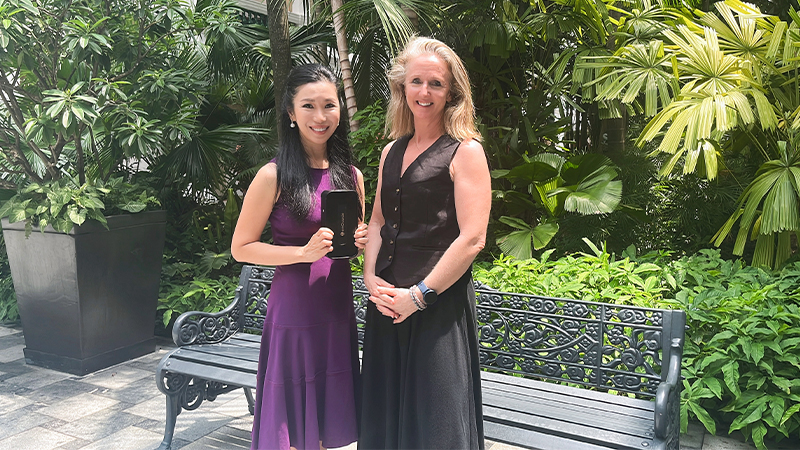
Jo will share realistic ways to support the body’s natural detoxification processes without resorting to extreme cleanses, while Angela will introduce the EMF-neutralising solution emGuarde and discuss how you can better protect yourself and your family in today’s technology-driven world.
Hurry and book your free spot at bit.ly/44Kg0Nv!
Health Help: Readers’ Questions:
“Why is eczema so common in Singapore? What causes it and what treatment options are available here?”
Atopic eczema, also known as atopic dermatitis, is a chronic inflammatory skin condition that affects a significant portion of the population in Singapore. Its prevalence can be attributed to a combination of genetic predisposition and environmental factors.
Individuals with a family history of eczema, asthma or allergic rhinitis are more susceptible. Patients also often have a genetic defect in the filaggrin gene, which is crucial for maintaining a healthy skin barrier. A compromised skin barrier allows irritants, allergens and microbes to penetrate the skin easily, leading to inflammation and the characteristic itchy, red rashes of eczema.
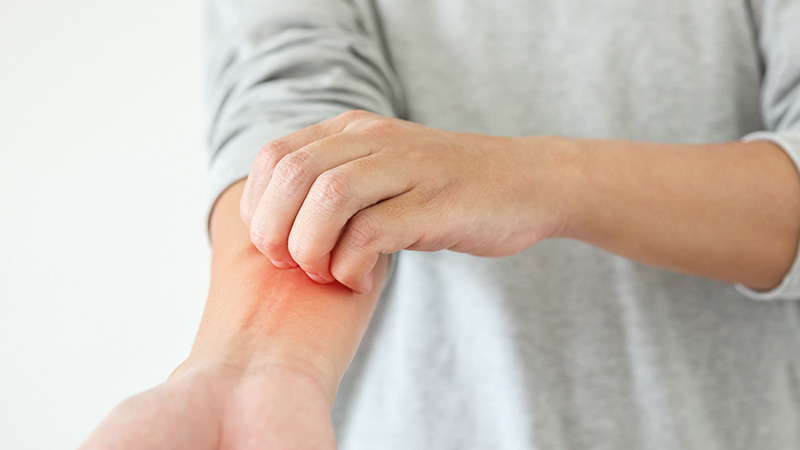
Singapore’s tropical climate also plays a role, where the high humidity, heat and sweat can exacerbate eczema. Exposure to common environmental allergens such as dust mites, pollen and pet dander, which thrive in humid conditions, can trigger flareups in predisposed individuals.
Management of eczema involves a multipronged approach, aiming to manage symptoms and prevent flare-ups:
- Moisturisers: Regular and generous use of moisturisers is paramount to repair and maintain the skin barrier.
- Topical corticosteroids: These are prescription creams that reduce inflammation and itching during flare-ups.
- Topical calcineurin inhibitors: These are steroid-free options that can be used for sensitive areas (the face, for example) or for long-term maintenance.
- Antihistamines: Oral antihistamines can alleviate itching, especially at night.
- Systemic immunomodulators and biologic medications: For patients with slow or poor response, oral and/or newer injectable biologic drugs can target specific immune pathways involved in eczema.
Working closely with a dermatologist can ensure a tailored personalised treatment plan, leading to better control and an improved quality of life.
Dr Laura Hui, Medical Director and Consultant Dermatologist at Auria Dermatology
#17-12 Paragon Medical Centre, 290 Orchard Road
6908 8689 | [email protected]
FB & IG @auriadermatology | auriadermatology.com
Online Booking at Smilefocus
Smilefocus now offers convenient online booking, making it easier to schedule dental appointments anytime, anywhere. This new feature streamlines access to care, reduces waiting time and enhances the overall patient experience. Patients can enjoy faster, smoother appointment scheduling with just a few clicks via the Smilefocus website. From routine checkups and preventive care to restorative, cosmetic, sports mouth guards and specialist treatments, the clinic’s internationally trained team provides personalised care for every member of the family. Enjoy a seamless, hassle-free experience from your first booking through every stage of your dental journey.

Book online today at smilefocus.com.sg.
New Wellness Space for Women
Looking for a new way to unwind? Recently opened in Holland Village, The Calla Project is a womenonly wellness space centred around recovery, nourishment and connection. The thoughtfully designed sanctuary brings together restorative experiences including sauna sessions, hot baths and cold plunges, alongside an in-house café where you can linger over a nourishing drink or bite to eat.
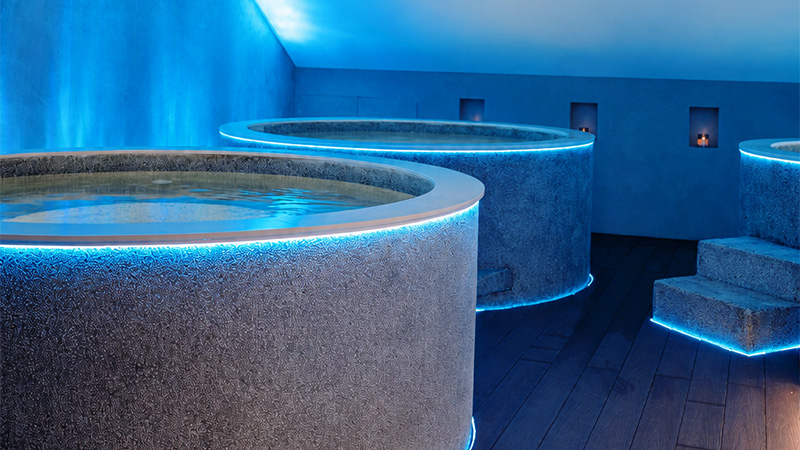
Beyond the amenities, also look out for regular events and workshops across wellness, nutrition and community, all creating a welcoming space where women can slow down, recharge and connect with like-minded people.
Compression Supports: Myth vs Fact!
Compression supports like stockings, socks and sleeves are stretchy garments that apply gentle, graduated pressure to body parts like ankles, knees, back and legs to improve blood flow, relieve pain and give your joints extra stability. If you’ve always assumed they’re not for you, it might be time to think again!
Myth: Compression supports are only for people with medical conditions.
Fact: While they’re often prescribed for certain vein and circulation conditions, they are also widely worn by healthy people. Frequent travellers, office workers, teachers, runners and pregnant women often wear them to help minimise swelling and support healthy circulation during long periods of sitting or standing.

Myth: They’re uncomfortable and difficult to wear.
Fact: Modern compression garments are made from soft, breathable and lightweight fabrics with plenty of stretch, so they are comfortable enough for everyday wear.
Myth: Tighter is always better.
Fact: Compression garments are designed to deliver specific levels of pressure for different purposes. Wearing a garment that’s too tight can cut off blood flow, irritate the skin and cause nerve damage. If you’re curious about trying compression supports for yourself, B:joynz – the sister brand of Bauerfeind – offers a range of affordable, comfortable and stylish German-made orthopaedic supports and compression stockings designed for travel, work, sport and daily wear.
Find them in select Bauerfeind stores and online through Decathlon.
Bounce Back with Turmeric!
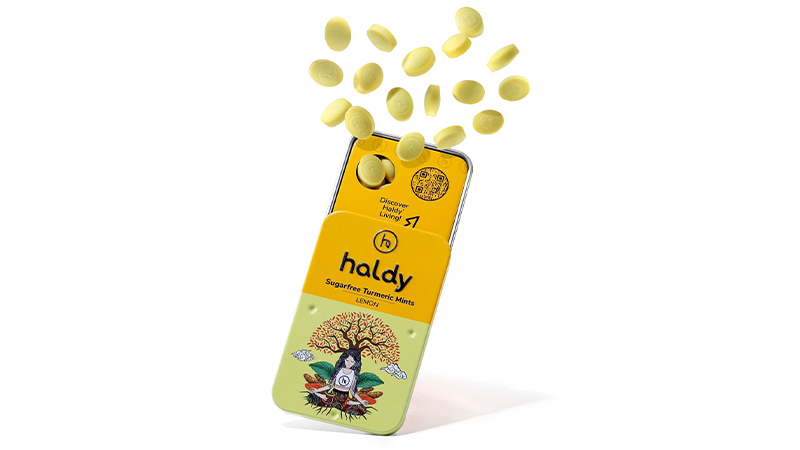
The Singapore National Rugby League (SGNRL) has named local wellness brand Haldy as the official Wellness Partner of the SGNRL and an official supporter of the Singapore Sunbirds women’s national rugby league team. Known for its flagship sugar-free turmeric mints, Haldy is now part of the teams’ high-performance environment, offering a tasty and convenient way to incorporate the anti-inflammatory and antioxidant goodness of turmeric into daily routines while supporting player health, recovery and overall wellbeing.
B:joynz Now Available Online at Decathlon Singapore
Good news for anyone who already swears by Bauerfeind’s sports supports! Its new sister brand, B:joynz, is now available online at Decathlon Singapore, making it super convenient to stock up with just a few clicks. You’ll find everything from lumbar belts and wrist supports to ankle braces, elbow supports and knee supports – ideal for managing or preventing injuries or simply helping to ease your daily aches and strains. Made in Germany, B:joynz’s economically priced range offers the same reliable quality and comfort that Bauerfeind is known for, combining medical-grade expertise with practical support for your workouts and active lifestyle in Singapore.

Recovery Retreats in Chiang Mai
Looking for a place to reset? Thailand’s wellness scene has expanded far beyond yoga retreats and luxury spas. In recent years, a growing number of private rehab retreats have opened across destinations like Phuket, Hua Hin and Chiang Mai, catering to those looking to step away from high-pressure lifestyles in a more discreet setting.

Many of these retreats combine structured addiction and mental health support with resort-style surroundings, including fitness programmes, nutrition-focused dining, meditation, serene riverside and mountain views, and private accommodation.
Among the names drawing attention is The Cabin Chiang Mai. Set on the banks of the Ping River, this premier inpatient centre was the first Western-style facility licensed by the Thai Ministry of Health. It offers comprehensive treatment for depression, anxiety and PTSD using individual, group and mindfulness sessions alongside evidencebased therapies like CBT and EMDR.
Health Help – Readers’ Questions
“How would someone know if they have insulin resistance? How serious is it if not treated early?”
Insulin resistance is often called a “silent” condition because many people feel well in its early stages. Unlike diabetes, it usually causes no obvious symptoms and may go unnoticed for years. However, there are clues that may suggest its presence. A person may find it increasingly difficult to lose weight despite their best efforts, particularly if excess weight accumulates around the waist (visceral adiposity). Persistent fatigue, increased hunger, cravings for sugary foods, and energy crashes after meals can also occur. Some people develop dark, velvety patches of skin around the neck, underarms, or groin, a condition known as acanthosis nigricans. Women may experience irregular menstrual cycles, infertility, or features of polyendocrine metabolic ovarian syndrome (PMOS).
Blood tests for fasting blood glucose, HbA1c (glycated haemoglobin) and fasting insulin levels are sometimes used to estimate insulin resistance.

The real concern is what happens when it remains untreated. In insulin resistance, the body’s cells become less responsive to insulin, the hormone that helps move glucose into tissues for energy. Over time, the body struggles to maintain normal blood sugar levels, forcing the pancreas to produce increasing amounts of insulin until it can no longer keep up and Type 2 diabetes develops. The effects extend far beyond blood sugar control. Insulin resistance contributes to high blood pressure, abnormal cholesterol levels, heart disease, fatty liver disease, kidney disease and PMOS. Research has also linked chronic insulin resistance to an increased risk of certain cancers.
The encouraging news is that the condition can often be improved through regular exercise, healthy weight management and, where appropriate, medical treatment.
Dr Anuradha Negi, Senior Consultant Endocrinologist at Aspen Diabetes & Endocrine Clinic
#09-10 Novena Medical Center, 10 Sinaran Drive
8907 8973 | aspenendocrine.com
[email protected] | FB & IG @aspenendocrine
Bauerfeind Now Online
Good news for anyone who’s a fan of German brand Bauerfeind’s high-quality sports supports. The range is now available online at Decathlon Singapore! With over 200 products including compression socks, targeted support for ankles, knees, elbows and wrists, plus lumbar belts and insoles, there’s something for every need, whether it’s preventive support during sports or help with nursing an injury. You can easily shop all these online from the comfort of your sofa.
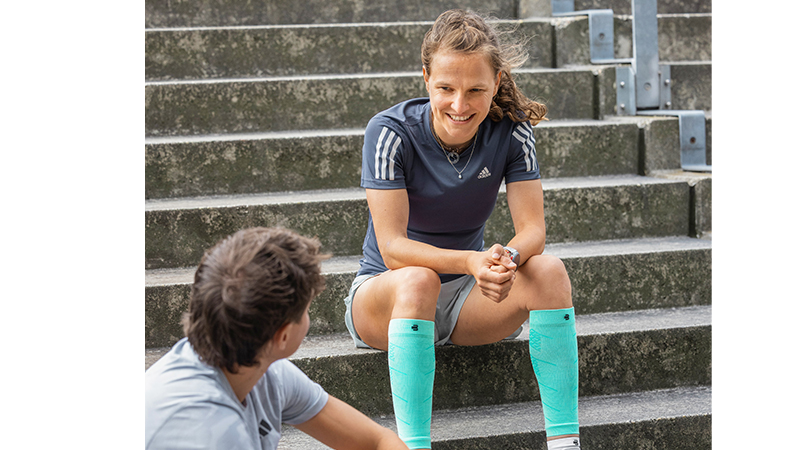
bauerfeind-sports.com.sg | decathlon.sg
More Than Just Physio!
With over 25 years of combined experience across six conveniently located clinics in Singapore, physiotherapy clinic Rapid Physiocare has treated over 25,000 patients with specialised services including cardiopulmonary rehabilitation, vestibular therapy, manual lymphatic drainage, TMJ (temporomandibular joint) treatment, and paediatric and geriatric care.
But beyond just aiding recovery, the team is actively seeking to redefine patient and preventive care through sister brands Rapid Pilates and RAPIDÉ – a new premier wellness centre that offers cliniciancurated protocols combining cryotherapy, red light therapy, physiotherapy, sauna and more with the goal of helping athletes and professionals decode what their body and mind truly need.
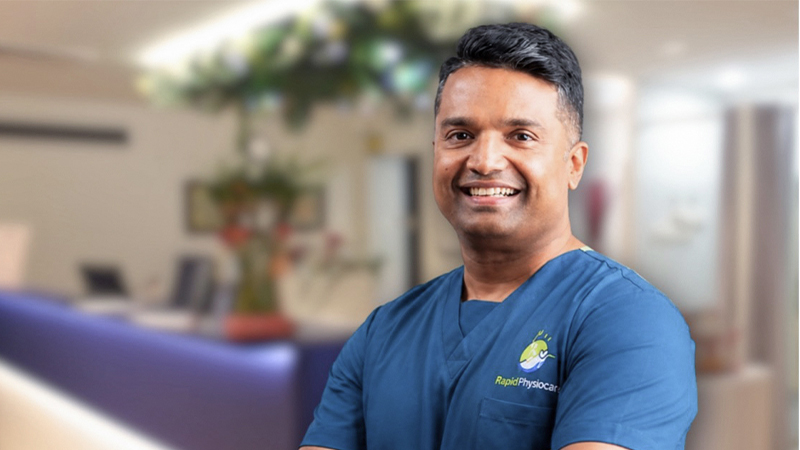
Find out more at rapidphysiocare.com/about-us.
New Home for a Neighbourhood
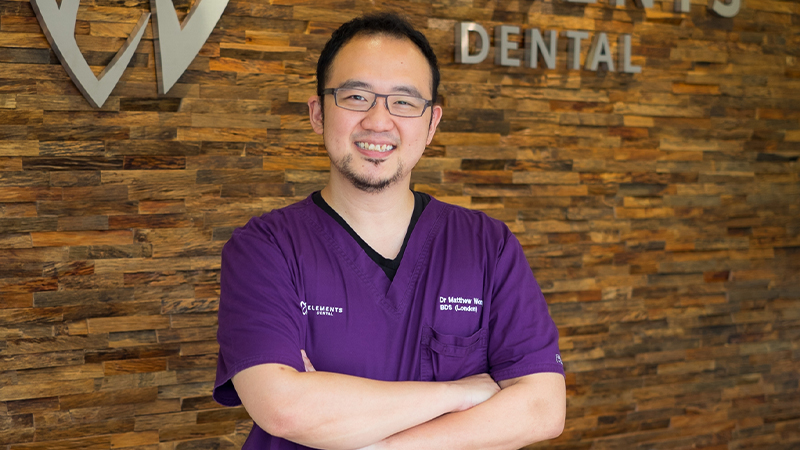
Dentist Elements Dental has moved to a spanking new location while still staying within the Bukit Timah area. The dental practice is now at #03-28/29 Dunearn Village, 896 Dunearn Road, offering patients a new environment for the clinic’s dental services, from routine check-ups to specialised treatments, just a few steps from the King Albert Park MRT station.
Relief for the Feet!
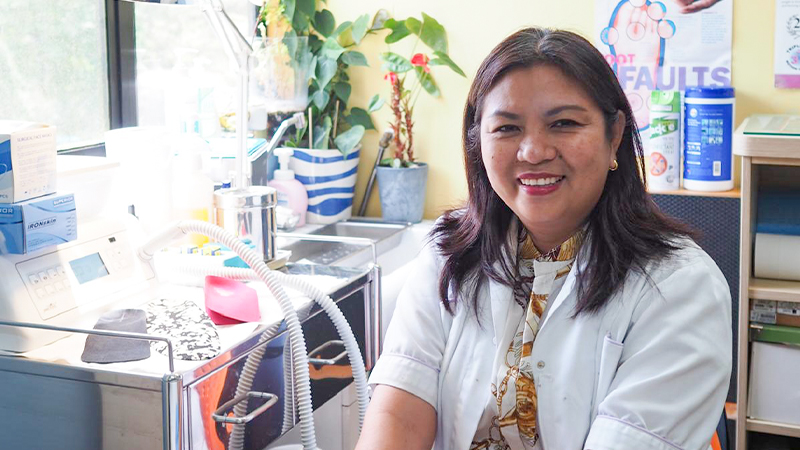
Dealing with foot corns, ingrown toenails, warts or aches that come with flat feet or weak arches? You might want to give Osteopathic Treatment Centre a call. Working alongside founder and renowned osteopath Dr David Tio, chiropodist and podiatrist Rosalie O Tio treats everything from athlete’s foot and fungal nail infections to hammer toes and leg length discrepancies. The clinic also offers biomechanics gait and foot posture analysis to get to the root cause of your pain and prevent future issues. Book in a consultation at their Orchard Towers clinic.
Take Control, Gents
June is Men’s Health Month, a timely reminder for men to take stock of their health. If you’re over 45 and noticing increased body fat, lower sex drive, fatigue or reduced muscle mass, it could be linked to declining testosterone. It’s common, with around a third of men in this age group affected. Testosterone naturally drops with age, impacting energy, mood and overall wellbeing. If symptoms sound familiar, it may be worth getting levels checked.
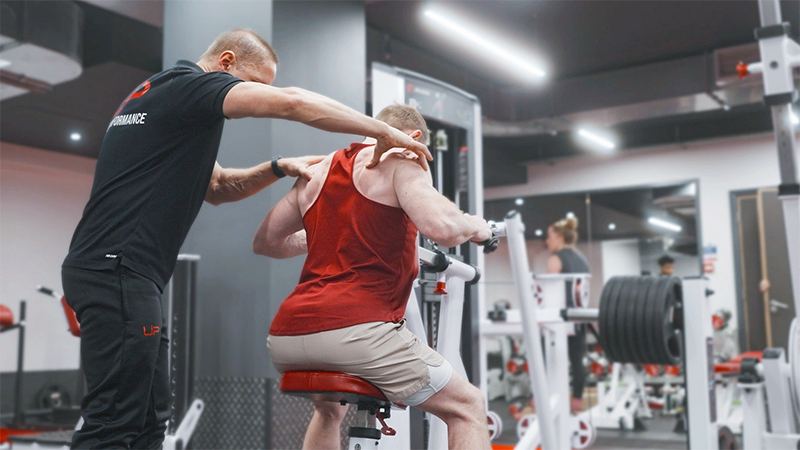
One of the most effective ways to support healthy testosterone? Strength training. It helps build muscle, improve body composition and support long-term health. Ultimate Performance offers tailored training and nutrition programmes at its private gyms in the CBD and Orchard, helping men who want to naturally increase their testosterone levels.
Find out more at ultimateperformance.com/sg/personal-trainer/singapore.
Runners, Mark Your Calendars
One great way to stay fit in Singapore is to take advantage of the island’s countless marathons and running events. Here are four upcoming races – then check our full marathons round-up on the Expat Living website for more 2026 events!
GU Forest Force Run (5 July and 13 September)
Singapore’s longest-running trail race returns with its signature hybrid trail and park connector (PCN) format. Now in its fourth edition of this format, this year’s series features four race categories – including the 21km and 30km races to be held in July and September respectively across new venues and routes. kingtrailevents.online/gu-forest-force-run-series-2026

Ridge Runners 2026 (23 August)
Known as Singapore’s hilliest 10 and 21km run, this special event at Kent Ridge Park takes participants through scenic terrain – with winding trails, steep inclines and great views. keepfitlivehealthy.com
TriFactor Triathlon and Duathlon Singapore 2026 (13 September)
Choose between triathlon and duathlon events, with multiple categories for different ages and abilities, all taking place at East Coast Park. The triathlon follows the classic swim-bike-run, while the duathlon offers a run-bike-run alternative. trifactor.asia
2026 BYD Singapore International Marathon (4 to 6 December)
Singapore’s annual running weekend returns with the 2026 BYD Singapore International Marathon. Expect a refreshed city route that takes runners past some of the island’s most iconic landmarks and skyline views. Distances include the BYD Marathon, adidas Half Marathon, Standard Chartered 10km, 5km and a Kids Dash – something for every level. singaporeinternationalmarathon.com bit.ly/elmarathons
Ready to Ditch Your Glasses?
According to the team at The Straits Eye Centre, glasses remain the safest option for common vision problems like myopia, hyperopia, astigmatism and presbyopia. However, if you’ve been considering a life less dependent on them, there are several proven options available today. These include corneal laser procedures such as SMILE, LASIK and transPRK, as well as implantable collamer lenses (ICL), a premium, reversible solution that works especially well for patients with higher degrees of myopia or those less suited for laser correction.
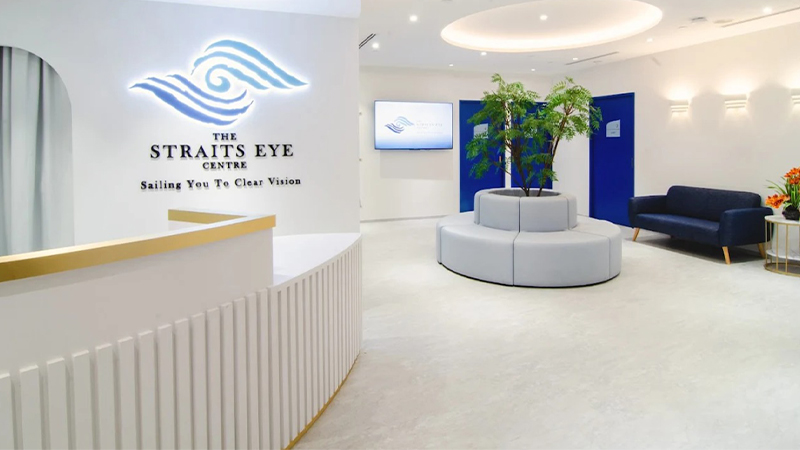
At The Straits Eye Centre, which offers specialist-led assessments and a full range of modern treatments, the key is tailoring the right solution to each individual. Book an assessment to see what might work for you.
New Face at The Counselling Place
The Counselling Place Singapore has welcomed a new addition to its team, with Psychologist and Counsellor Ewelina Sawicka joining the practice. An expat herself, Ewelina brings over eight years of experience living in Singapore, alongside a professional background in psychology; her work focuses on supporting individuals, couples and families through common expat challenges, including relocation stress, relationship pressures, identity shifts and parenting across cultures.

Ewelina’s approach is described as warm, practical and grounded, offering clients a space to pause, reflect and regain clarity during periods of change. Drawing on her own experience of living abroad, she understands the emotional layers that can come with expat life – from feeling unsettled or disconnected to navigating major transitions and day-to-day responsibilities. She also works with children and teens, helping them manage anxiety, behavioural challenges and the complexities of growing up between cultures. Get in touch to book a confidential session with Ewelina.
Compression Support from Bauerfeind
Love the great outdoors but not the joint pain that comes with every run, hike or trek? Good news: Bauerfeind has expanded its outdoor range with two new products now available in Singapore: the Outdoor Compression Ankle Support and Outdoor Compression Elbow Support. Both combine seamless compression technology for improved joint stability and blood circulation thanks to merino wool’s natural climate and moisture-regulating properties, designed for allday outdoor wear. These add to Bauerfeind’s comprehensive outdoor range which now spans joint supports for knees, ankles and elbows, alongside Outdoor Merino Socks in both compression and mid-cut styles.

A New Generation of Hearing Aids?
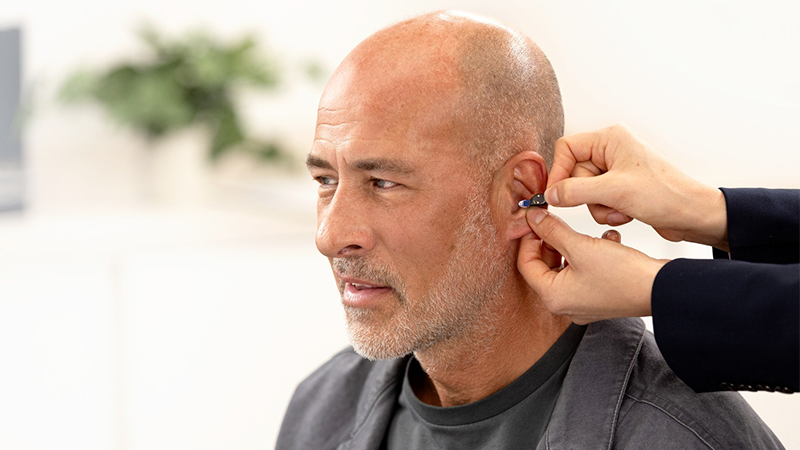
Good news if you’re not a fan of bulky, highly visible hearing aids – not to mention waiting weeks to get custom moulds made. Singapore has become the first city in Southeast Asia to offer the new Oticon Zeal, now available through Hearing Partners’ 11 locations across the island. Nearly invisible when worn, this in-the-ear hearing aid combines top-tier sound quality with advanced AI processing, excellent connectivity and rechargeability – and it can even be fitted on the same day.
hearingpartners.com.sg/oticon-singapore/oticon-zeal
Precision Screening for Your Peace of Mind
Traditional health screenings often look for cancer one organ at a time. The team at ATA Medical is changing that, offering Multi-Cancer Early Detection (MCED) to complement standard-of-care screening. Led by Medical Director Dr Joel Foo, the clinic offers a single, advanced blood draw to analyse cell-free DNA to identify signals for multiple cancers, including those without standard screening protocols, before symptoms even surface. This offers a streamlined, minimally invasive path to gaining clarity and control of your long-term health.

atamed.sg/spot-mas-cancer-blood-test
Holistic Care for your Teen
Readers may know Petite Practice as a go-to children’s clinic, but the team also has extensive experience caring for teenagers. At its Katong location, the clinic has introduced a dedicated HPV vaccination package for teens, pairing vaccination visits with consultations with adolescent medicine specialist Dr Misa Noda. For parents concerned about weight issues (whether underweight or overweight), Petite Practice is also offering packages consisting of screening tests and consultation visits to encourage holistic health from a biopsychosocial perspective. Parents can contact the clinic for more information on how they can support teens through their health challenges.

Health Help – Readers’ Questions
“How can I get rid of or reduce varicose veins on my legs? Do compression socks actually work?”
Dr Sujit Singh Gill, Director and Consultant Vascular & General Surgeon at The Vascular and General Surgery Centre
Varicose veins occur when the valves in the leg veins, which act like oneway gates, weaken over time. When these valves fail, blood pools in the vein, pressure builds, and the vein enlarges. Genetics play the biggest role, but long hours of standing, pregnancy, hormonal shifts and age all contribute.
Can you reduce or remove them? Lifestyle measures such as regular walking, elevating the legs and maintaining a healthy weight can ease symptoms. But once a vein becomes varicose, it won’t fully reverse. Definitive improvement comes from minimally invasive treatments such as laser ablation, radiofrequency ablation, sclerotherapy, or medical adhesive closure – safe modern options that require little downtime.
Compression stockings often come up in conversation, and they absolutely have a place. They improve circulation by applying gentle, graduated pressure to the leg, which reduces swelling and discomfort. However, they don’t make existing varicose veins disappear.
Their real value is in symptom relief and slowing progression.
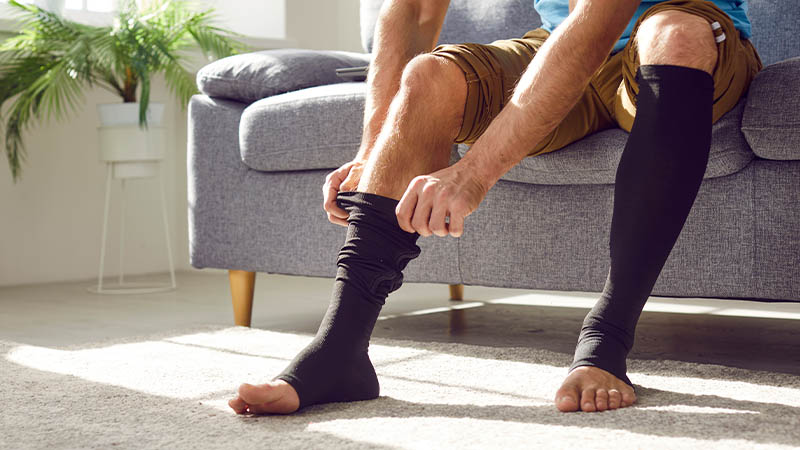
In short, compression stockings help you feel better, but targeted vein treatment is needed if your goal is long-term removal or visible improvement.
#18-05 Paragon Medical Suites, 290 Orchard Road
6736 2302 | [email protected] | tvgsc.sg
Health Help – Readers’ Questions
“What is dental sleep medicine and who can benefit?”
Dr Nijam Latiff, Dental Surgeon and General Dental Practitioner at T32 Dental Centre @ Financial District
Dental sleep medicine is a growing field that focuses on the relationship between oral health, breathing and sleep quality. While sleep issues are often associated with loud snoring or obstructive sleep apnoea (OSA), many people both adults and children experience disrupted sleep without realising that their jaw position, tongue posture or airway anatomy may be contributing factors.
Dentists trained in dental sleep medicine work closely with sleep physicians and other healthcare professionals to assess how the teeth, jaws and oral structures influence breathing during sleep. In adults, this often involves screening for sleep disordered breathing and providing customised oral appliances that gently reposition the jaw to keep the airway open. These devices can be an effective alternative for patients who struggle with CPAP therapy or have mild to moderate sleep apnoea.
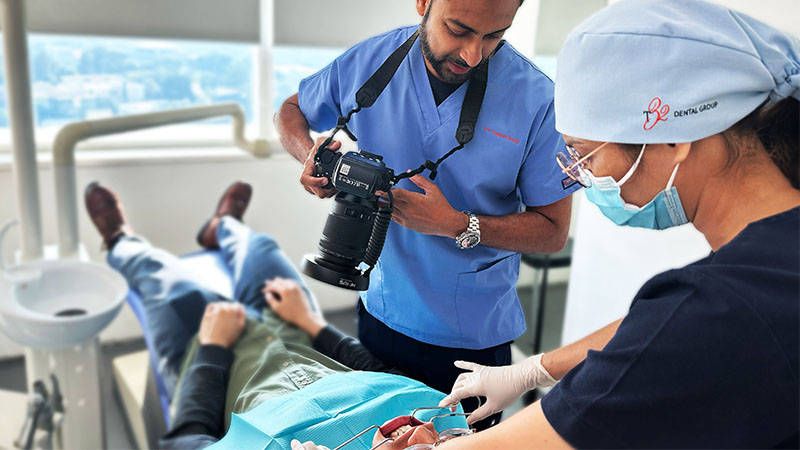
Children can also benefit significantly from early assessment. Mouth breathing, snoring, restless sleep, bedwetting or behavioural and concentration issues may be signs of airway restriction. Early dental intervention focuses on guiding jaw development, improving nasal breathing and addressing oral habits before more serious problems develop. This proactive approach can positively influence facial growth, sleep quality and even learning and behaviour.
Ultimately, dental sleep medicine is not just about stopping snoring, it’s about improving sleep quality, daytime energy, long-term health and quality of life. By addressing breathing at its source, both adults and children can experience better sleep and better overall wellbeing.
#02-01 CapitaGreen, 138 Market Street
6385 1788 | t32dental.com/dental-centre-financial-district
Healthy Teeth for the Year of the Horse!
Thinking about resetting your family’s dental health routines this year – including those check-ups that have been put off? According to Elements Dental, when it comes to dental care, small issues are much easier to manage when caught early. Preventive dentistry focuses on regular check-ups, professional cleaning and keeping an eye on changes in bite, wear and gum health before they turn into bigger problems. At this Bukit Timah dental clinic, care is planned around busy family schedules with a long-term view of oral health. That means your family can stay ahead of dental issues and enjoy fewer surprises as the year unfolds.

“How has multi-cancer early detection improved accessibility and efficiency in cancer screening for people in Singapore?”
Dr Oh Eu Leong, Resident Physician at Chi Longevity
What if a single blood test could screen for multiple cancer signals at once? With advancements in multi-cancer early detection (MCED) technology, this is now available in Singapore, where we are constantly seeking smarter health solutions.
Think about our current approach to screening. It usually involves one test for one specific problem, like mammograms or colonoscopies. While effective, these tests leave major gaps as many aggressive cancers lack an established “goldstandard” screening test. Furthermore, participation is low. Fewer than half of eligible adults complete recommended screenings because some of these test procedures can be uncomfortable and time-consuming.
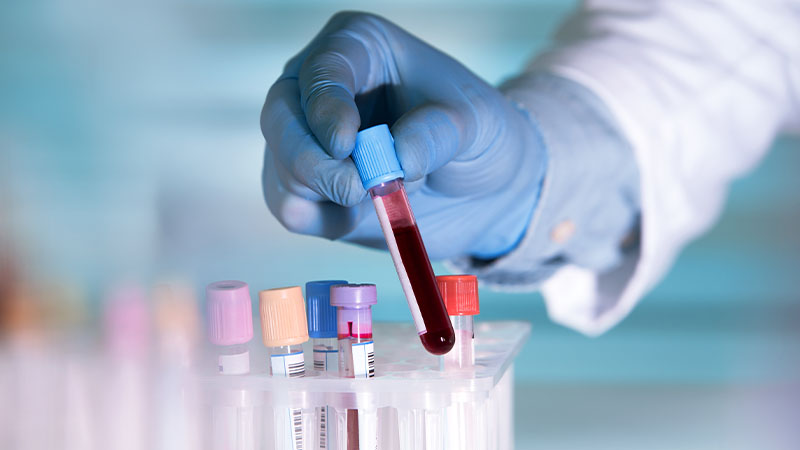
MCED addresses this gap with a simple blood draw, much like a cholesterol check. By using artificial intelligence to analyse small fragments of tumour DNA, these tests can identify cancer signals early, often before symptoms appear. This is critical because many cancers remain silent until they are hard to treat.
Recent data from the largest real-world MCED study in Asia, involving over 36,000 participants, highlights the potential. The test achieved a specificity of 99.8 percent, meaning it drastically minimises the stress of false alarms that often plague traditional screening. Furthermore, when cancer was detected, the test correctly identified the location in the body with 84 percent accuracy, accelerating time-to-diagnosis.
By making prevention frictionless and scientifically robust, MCED helps build a proactive healthcare system that fits into our busy lives. This approach is found to be supported by over 90 percent of the public in a published study.
• #10-04 Camden Medical Centre, 1 Orchard Boulevard | 6556 5088
• #03-04 Four Seasons Hotel Singapore, 190 Orchard Boulevard | 6235 2870
chilongevity.com | [email protected]
Health Help – Readers’ Questions
“How effective are multi-cancer early detection tests at catching cancer early? Can I get them in Singapore?”
Dr Brendan Chia, Senior Consultant Radiation Oncologist at Raffles Hospital Singapore
Early detection remains one of the most powerful factors in surviving cancer. When cancer is found at an early stage, treatment options are often broader, less aggressive and less expensive, leading to significantly better outcomes for patients. Yet the challenge has been finding a way to detect many different cancers early using a method that is accurate, affordable, noninvasive and radiation-free.
Newer technologies known as multi-cancer early detection (MCED) tests are beginning to transform this landscape. These blood tests use advanced sequencing techniques to analyse tiny cancer signals in the bloodstream – such as circulating tumour DNA and other molecular signatures – that may indicate the presence of cancer, often before symptoms appear.
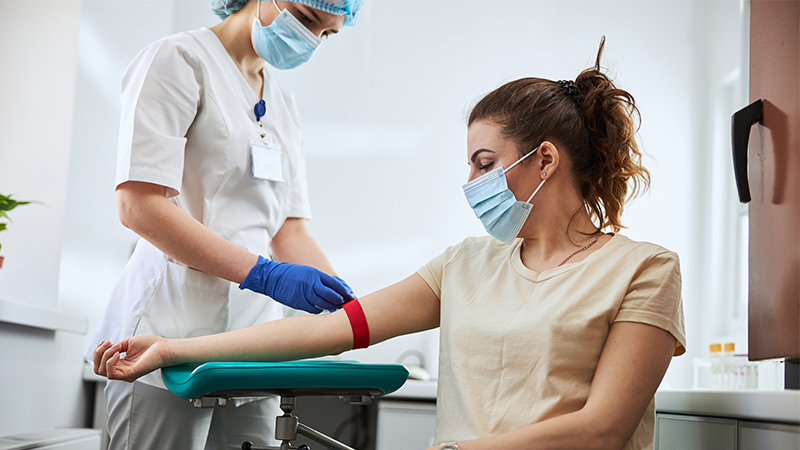
While this approach may seem new, similar technology has been used safely for years in prenatal testing and, more recently, to guide cancer treatment. Only in the past few years has it rapidly advanced toward broad cancer screening.
Evidence supporting MCED tests is growing. A recent large North American trial reported that adding MCED testing to standard screening detected cancers three to seven times more often. Importantly, it was also safe and able to identify early-stage cancers, including types for which no routine screening exists. These findings are promising and have generated considerable excitement among clinicians.
However, no test is perfect. MCEDs are not diagnostic and still require imaging or biopsy to confirm results. Until more data emerges, they should supplement – not replace – existing national screening guidelines.
In Singapore, MCED tests are already available in many screening clinics and specialist centres, including ours. With better awareness and more advanced tools, we can hopefully normalise cancer screening and improve uptake, making cancer far more manageable simply because it is detected earlier.
Level 10, Raffles Specialist Centre, 585 North Bridge Road
6311 2300 | [email protected] | rafflesmedicalgroup.com
Health Help – Readers’ Questions
“I’m struggling emotionally with menopause after cancer. What should I do?”
Dr Lim Sheow Lei, Senior Medical Oncologist at OncoCare Cancer Centre
Many cancer survivors are emotionally fragile. Addressing mental health is just as important as treating physical symptoms. The psychological burden of survivorship must not be overlooked.
Cognitive behavioural therapy (CBT) and counselling can improve mood, manage anxiety and support emotional resilience during menopause. Additionally, many patients may benefit from a survivorship care plan that includes a menopausespecific roadmap, detailing what symptoms to expect, when to seek help and which options are suitable based on their medical history.
Oncologists need to do their part in integrating menopause screening into cancer survivorship programs. Regular assessments for symptoms such as bone loss, mood changes and cardiovascular risk can help guide timely interventions.

Moreover, emotional support is an essential pillar of recovery. Connecting survivors with support groups, therapists or even other patients experiencing similar challenges can help reduce the sense of isolation. Ultimately, the success of managing menopause after gynaecological cancer rests not only in medical interventions, but also in the strength of the care network surrounding the patient – from oncologists and gynaecologists to primary care doctors and mental health professionals.
Gleneagles, Gleneagles Annexe, Mount Elizabeth Novena, Mount Elizabeth Orchard and Mount Alvernia
6250 8160 | oncocare.sg | [email protected]
Health Help – Readers’ Questions
“What are the different stages of varicose veins? How do I know how advanced mine are?”
Dr Sujit Singh Gill, Director and Consultant Vascular & General Surgeon at The Vascular and General Surgery Centre
Varicose veins sit on a spectrum, from cosmetic nuisance to quality-of-life-threatening ulcers. Clinicians commonly describe this using stages. Early on, you may see only tiny surface veins (spider or reticular veins) with little or no discomfort. As veins become dilated and tortuous, they form classic bulging varicosities, often accompanied by heaviness, aching, or night cramps. Later stages bring ankle swelling, brownish skin staining, eczema and eventually active venous ulcers around the ankle, which are notoriously difficult to heal.
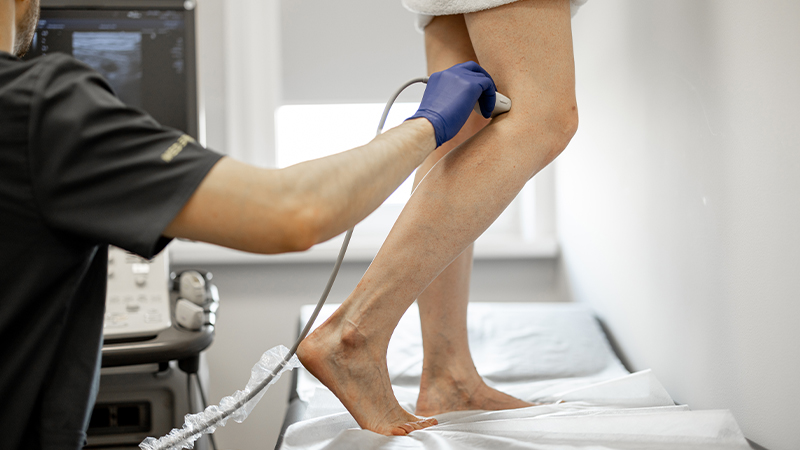
To estimate how advanced your veins are, look at these three clues:
- What you see: Are they just fine lines, or have they developed into ropey bulges, swelling or skin changes?
- What you feel: Is it purely a cosmetic concern or do you experience daily heaviness, throbbing, itching or burning?
- What you can’t see: Ultrasound findings can reveal valve leakage and reflux, which your vein specialist will assess.
If you have visible bulging veins, persistent symptoms, or any skin changes or wounds at the ankle, your veins are already in the medical, not just cosmetic, category and deserve a proper venous ultrasound and discussion of treatment options. This guides you on whether you need lifestyle measures, compression, injections, laser or surgery – or simply reassurance.
#18-05 Paragon Medical Suites, 290 Orchard Road
6736 2302 | [email protected] | tvgsc.sg
Health Help – Readers’ Questions
“What exactly is multi-cancer early detection? How does it work?”
Dr Chrystal Fong Chern Ying, Family Physician at Asia HealthPartners
Cancer is a significant public health concern globally. It remains the second leading cause of death worldwide, and its global burden is projected to rise significantly in the coming two decades.
Multi-cancer early detection (MCED) refers to a new generation of blood-based screening tests designed to detect multiple types of cancer at once, often before symptoms appear. These tests leverage nextgeneration sequencing (NGS) technology to analyse circulating tumour DNA (ctDNA) and other molecular markers in the blood.

This enables the detection of subtle genetic and epigenetic changes associated with multiple cancers, which are released into circulation by most cancer cells even before conventional imaging or blood testing suggests active disease. The multicancer early detection (MCED) test enhances current cancer-screening methods.
Current traditional cancer screening methods are organ-specific, with each test designed to detect a single type of cancer – for example, mammography for breast cancer, pap smear for cervical cancer, and colonoscopy or stool testing for colorectal cancer. MCED can screen for multiple cancers through a single blood draw, enabling detection of cancers that are not currently available for screening.
Identification of ctDNA allows for an earlier detection of cancer than the traditional methods – which in turn can mean improved effective treatment and survival. When a cancer signal is detected, MCED testing can localise the most likely organ source or tissue where the cancer began. This results in a more precise approach in diagnostics and imaging tests, reducing unnecessary investigations, time delays and patient anxiety.
MCED testing provides a step forward in cancer prevention screening, enabling an earlier, broader and less invasive detection with the aim of reducing late stage diagnoses, improving treatment outcomes, and ultimately lowering cancer-related mortality.
Asia Health Partners
#05-06 Lucky Plaza Singapore, 304 Orchard Road
6235 7888 | WhatsApp 9234 3477 | asiahealthpartners.com
Stay Supported on the Slopes
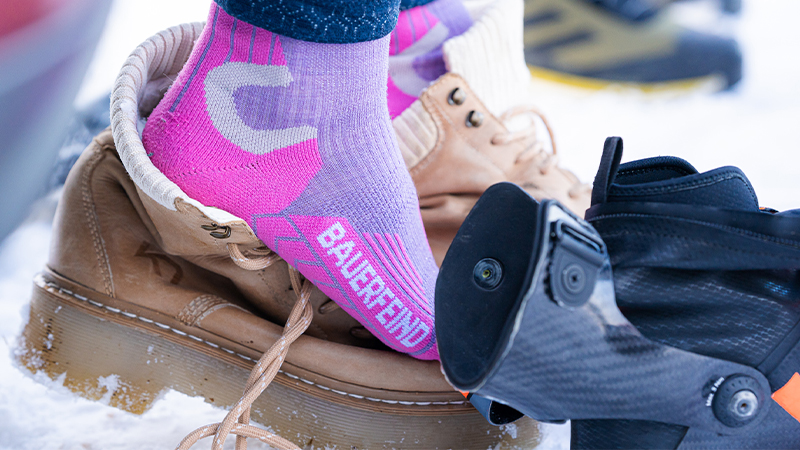
Heading off on a snowy holiday escape? Don’t go without Bauerfeind’s latest products designed to keep you comfy and supported on the slopes. The new Outdoor Compression Knee Support, made in Germany with premium Merino wool, adapts to every climate – it cools in the heat, warms in the cold and wicks away moisture. Meanwhile, the new Ski Performance Compression Socks offer targeted calf compression and strategic padding to fit perfectly inside ski boots. Featuring Dryarn technology, they ensure efficient moisture management, keeping feet fresh and dry while offering extra support, stability and comfort. Perfect for skiing, hiking or any winter adventure!
Health Help – Readers’ Questions
“Will my gynaecological cancer treatment end my chance at having kids or make my menopause symptoms worse?”
Dr Felicia Chin Hui Xian, Obstetrician, Gynaecologist and Gynaecological Oncologist at Gynae Onco Partners
Fertility preservation and menopause management are often major concerns for gynaecological cancer patients. Preservation options require early and individualised discussions with oncologists and fertility specialists. Timing is critical as many decisions must be made before treatment starts.
For some early-stage cancers, we can consider ovarian-sparing surgery. In selected patients undergoing radiation, ovarian transposition (surgical hitching of the ovaries away from the radiotherapy treatment field) is an option. GnRH agonists during chemotherapy may protect the ovaries from chemotherapy-induced ovarian damage.

As for menopause, treatment can indeed trigger early menopause or worsen symptoms. For treating menopausal symptoms and preventing bone and heart disease, menopausal hormone therapy (MHT) remains the standard. It’s available orally, transdermally or vaginally. Other options include low-dose antidepressants, anticonvulsants, fezolinetant (a new class of neurokinin B receptor antagonist) and vaginal moisturisers and lubricants.
MHT is very effective for symptom relief; when used appropriately, especially before age 60 or within 10 years of menopause, the benefits usually outweigh the risks. However, it may not be suitable for all, especially women with hormone-sensitive cancers. Careful patient selection is key.
In addition, exercise, a healthy diet and avoiding caffeine or spicy foods help reduce hot flushes. Cooling the environment, wearing breathable fabrics and stress management techniques like meditation and yoga are also useful. There’s no one-size-fits-all solution. Management must be tailored, integrating medical, psychological and lifestyle strategies.
Gynae Onco Partners
#10-10 Mount Elizabeth Medical Centre (Orchard)
#08-14 Gleneagles Medical Centre
WhatsApp 8139 6819 | gynaeoncopartners.com | [email protected]
Health Help – Readers’ Questions
“I’ve noticed some varicose veins on my legs; what causes these bulging veins and why did I develop them?”
Dr Sujit Singh Gill, Director and Consultant Vascular & General Surgeon at The Vascular and General Surgery Centre
Varicose veins occur when the tiny valves inside your leg veins stop working properly. Normally, these valves keep blood flowing upwards towards your heart. In other words, venous blood flow is supposed to be a one-way street. When the valves weaken, they do not close properly, allowing a backflow of blood. The veins have now become two-way streets. This blood pools in the veins in the most dependent part of your body – the legs. This increase in pressure is what causes them to stretch, dilate and bulge.
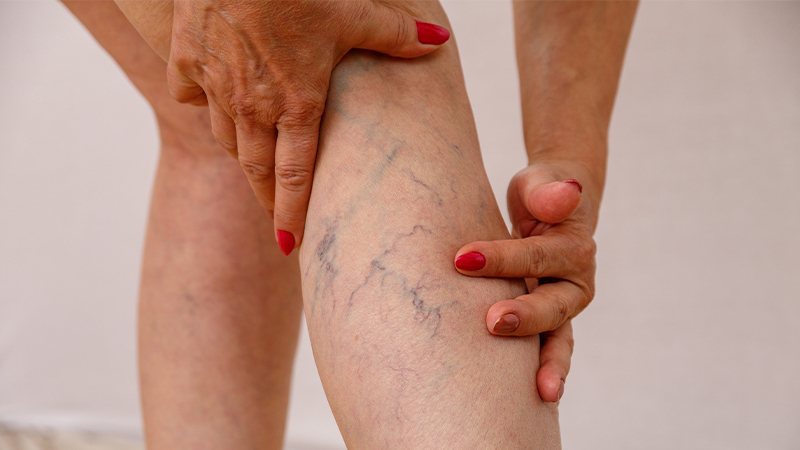
Varicose veins often start small, then progressively increase in size over time. In the long term, backflow of blood may result in skin damage in the areas around the ankles – a condition known as chronic venous insufficiency (CVI). A person with this condition is at increased risk of developing chronic ulcers or non-healing wounds of the leg.
Common causes include standing for long hours (for example, teachers, nurses, retail staff), family history (genetics matter!), pregnancy and hormonal changes, ageing, and inactivity. Varicose veins are more common in women, but men get them too. Statistically, one in three adults will develop some form of venous reflux (or backflow). Fortunately, most cases are mild. Modern treatments, such as endovenous ablations, are effective and minimally invasive. These are usually performed as day procedures. The best outcomes are achieved when treatment is carried out before CVI becomes established.
The Vascular & General Surgery Centre
#18-05 Paragon Medical Suites, 290 Orchard Road
6736 2302 | tvgsc.sg | [email protected]
Health Help – Readers’ Questions
“Why do I grind my teeth at night and is it something to worry about?”
Dr Nijam Latiff, Dental Surgeon and General Dental Practitioner at T32 Dental Centre @ Financial District
If you’ve ever woken up with a sore jaw, sensitive teeth or even been told you grind your teeth at night, you may have experienced bruxism. While many people assume teeth grinding is simply a stress habit, science shows it’s often more complex.
Neurologist Dr Jerald Simmons and colleagues have highlighted that bruxism is closely linked to sleep physiology and airway health. In some cases, the grinding reflex is the body’s way of protecting itself. The grinding reflex can be described as a micro-movement that helps reopen a compromised airway as a result of poor jaw position or tongue posture.

Other research describes different phenotypes (patterns) of bruxism. For instance, some children grind their teeth as part of normal brain development processes such as synaptic pruning and often grow out of it. Adults, however, may grind due to stress, reflux, sleep-disordered breathing such as obstructive sleep apnoea or certain medications.
Why does this matter? Because the impact isn’t just noise at night.
Untreated bruxism can lead to cracked teeth, severe tooth wear (attrition), gum recession and jaw joint strain. It can also be a sign of deeper systemic issues such as airway obstruction or neurological sleep disorders.
And here’s the key takeaway: There is no one-size-fits-all solution. A standard night guard may help protect your teeth, but if the underlying cause is airway-related, that same guard could actually make things worse. Effective care often requires a tailored multi-disciplinary approach addressing stress, sleep hygiene, bite alignment, airway health or a combination of these.
If you suspect you grind your teeth, don’t ignore it. An assessment with an airway-focused dentist can help uncover whether your bruxism is just a temporary nuisance or a signal of something more significant and guide you towards the right treatment.
T32 Dental Centre @ Financial District
#02-01 CapitaGreen, 138 Market Street
6385 1788 | t32dental.com/dental-centre-financial-district
Fun and Family-friendly Dental Care
Here’s your friendly reminder that it’s time for your end-of-year dental check-ups! With locations at Raffles Place, Telok Ayer and Orchard, Dental Designs Clinic is a welcoming place for the entire family. Kids can play in the children’s corner while parents unwind with ceiling TVs and cosy blankets. The clinic also houses an in-house lab and modern equipment to make treatments smoother, more efficient and comfortable – whether it’s your child’s first appointment or a routine check-up.

Health Help – Readers’ Questions
“How does our typical Singaporean diet – all the high-salt hawker food and high-sugar drinks – actually impact heart health?”
Dr Sheldon Lee, Senior Consultant Cardiologist at Orchard Heart Specialist Clinic
One of the great joys of living in Singapore is its food scene. From hawker staples like chicken rice and laksa to bubble tea and kopi, there’s something for every taste. But while these meals are comforting and convenient, many are also high in salt, oil, sugar and refined carbs. Over time, these raise the risk of high blood pressure, diabetes and heart disease.

So how can you enjoy local flavours without “breaking” your heart? A good place to start is by thinking more plant-based. Diets rich in vegetables, fruits, legumes, nuts, seeds and whole grains are consistently linked to better heart health. The Mediterranean diet, often held up as the “gold standard”, emphasises exactly this. It includes healthy fats like olive oil, moderate amounts of fish and poultry and very little red meat or processed food.
It’s surprisingly easy to adapt this to Singapore. Choose brown or mixed-grain rice, go for stir-fried greens or tofu dishes and pick grilled or steamed fish over fried options. At the drinks stall, a simple “less sugar” or “siu dai” (less sweet) can go a long way.
Another option is the whole-food plant based diet, which avoids highly processed foods and instead focuses on natural plant ingredients. Research shows this approach lowers cholesterol, blood pressure, blood sugar and body weight –powerful ways to reduce cardiovascular risk.
As I often tell my patients: every meal is a chance to take care of your heart, without sacrificing the joy of eating well.
Locations at Mount Elizabeth Hospital (Orchard), Mount Alvernia Hospital and Parkway East Hospital
orchardheart.com
Screen for Multiple Cancers from Home
Looking for a smarter way to stay on top of your health? Doctor Anywhere now offers a single, minimally invasive blood test that can screen for signs of multiple cancers, even harder-to-detect types like pancreatic, liver and ovarian. Using advanced AI and multi-omics technology, this Multi-Cancer Early Detection Test can help identify signals earlier and support timely treatment. With Doctor Anywhere’s licensed home-based service, you can prioritise your health from the comfort of your home. Consult a healthcare provider to learn more.

doctoranywhere.com/multi-cancer-early-detection
Health Help – Readers’ Questions
“What’s the difference between gastric pain and gallstone pain? I can’t tell if it’s just something I ate.”
Dr Sujit Singh Gill, Consultant Vascular and General Surgeon at The Vascular & General Surgery Centre
If you’re experiencing pain in your upper abdomen, figuring out whether it’s “just something you ate” or something more serious like gallstones can be difficult.
Gastric pain is typically felt as a burning or gnawing discomfort in the upper abdomen just below the chest. Bloating, nausea and a sensation of fullness may occur. It’s often triggered by spicy foods, caffeine, stress or skipping meals, and it might improve with antacids or after consuming food. The onset tends to be gradual. Sometimes, these symptoms can be severe, mimicking a gallstone attack.

Gallstone pain is usually located in the upper right abdomen and can radiate to the right shoulder or back. It’s sharp, intense and often begins suddenly – nausea, vomiting and cold sweats often accompany the pain. The pain is persistent, lasting from 30 minutes to several hours and does not improve with antacids. While it may be triggered by a heavy or fatty meal, this is not always the case. If the pain is mild and improves with antacids, it’s more likely gastric.

If the pain is accompanied by fever, chills, jaundice, dark-coloured urine, pale stools or itchy skin, seek urgent medical attention. These may be signs of serious complications. If you’re still unsure, speak to your doctor for proper diagnosis.
Unit 18-05, Paragon Medical Suites, 290 Orchard Road
6736 2302 | tvgsc.sg | [email protected]
Health Help – Readers’ Questions
“I’m a gynaecological cancer survivor in my 40s experiencing fatigue, joint pain and mood swings. Is this menopause or has my cancer returned?”
Dr Lim Sheow Lei, Senior Medical Oncologist at OncoCare Cancer Centre
Menopause, defined as 12 months without menstruation, is a natural part of ageing for most women, usually occurring around age 49 in Singapore. Natural menopause is gradual, but cancer treatments can cause an abrupt drop in oestrogen levels and induce early or abrupt menopause.
This is particularly true for gynaecological cancer patients. Many gynaecological cancers affect women at the typical age for menopause, with one-third of patients in Singapore under 50. Treatments often involve ovary removal, pelvic radiation or chemotherapy, all of which can suddenly halt hormone production and trigger early menopause with more severe symptoms.

Adding to the confusion, menopausal symptoms can closely resemble effects of cancer treatment or even signs of recurrence. In Singapore, muscle and joint pain is the most common symptom, affecting one in three women, whereas hot flushes are more typical in Western populations. Other symptoms like fatigue or joint pain can mimic cancer treatment effects or signs of recurrence, heightening anxiety in survivors already carrying emotional trauma.
Despite the prevalence of these symptoms, many women fail to recognise them. Others may hesitate to voice their experiences due to cultural norms, societal stigma or the misconception that suffering in silence is part of the process. This silence can delay diagnosis and management.
It’s important for doctors to differentiate between symptoms due to treatment and those due to hormonal changes. Menopause is often the missing piece in post-cancer care conversations.

Gleneagles, Gleneagles Annexe, Mount Elizabeth Novena,
Mount Elizabeth Orchard & Mount Alvernia
6250 8160 | oncocare.sg | [email protected]
This health hub of fitness and health news first appeared in our monthly Expat Living magazine. You can purchase a copy or subscribe so you never miss an issue! Or head over to our Health & Fitness section for lots of great full-length features.
To make the most of living in Singapore, read our latest City Guide here for free!
Keen for more of the latest news? Check out all of our news pages below to stay up to date each month!
Don't miss out on the latest events, news and
competitions by signing up to our newsletter!
"*" indicates required fields