
The Integrated International School (IIS) caters for different learning profiles through its Universal Design for Learning (UDL) educational framework. This framework offers flexible, varied and inclusive education methods for various learning needs. School CEO and clinical psychologist DR VANESSA VON AUER tells us how it complements the school’s personalised learning approach.
What does inclusive education mean for IIS?
It means recognising that learner variability is the norm and educating every student as an individual. Inclusion means valuing different learning profiles, strengths and challenges. We focus on whole-child development – academic, behavioural, emotional, social and life skills.
Rather than expecting students to “fit” into a rigid academic system, our learning environments remove barriers to learning. We partner closely with families to support long-term success and wellbeing. In short, the system is adapted to the student.

How does IIS implement the UDL framework?
UDL is our core inclusive framework that ensures teaching is accessible, flexible and responsive from the outset. Through it, we plan lessons with multiple ways to engage, understand and demonstrate learning. We proactively remove those aforementioned barriers before they arise.
We also normalise flexibility so that adaptations don’t feel “special” or stigmatising. The result is support for both neurotypical and neurodivergent learners in the same learning ecosystem.
UDL allows us to move away from one-size-fits-all teaching and toward intentional, inclusive design.

How do teachers differentiate teaching for different learners with UDL?
Using UDL principles, teachers differentiate by:
- Content: Varied reading levels, visuals, concrete materials and assistive tools.
- Process: Flexible pacing, scaffolded instruction, sensory supports and structured routines.
- Output: Students showing learning through writing, speaking, visuals, projects or technology, not just through exams.
- Support level: Individual goals, small-group teaching, targeted interventions and therapy-informed strategies. This ensures that each student can access the same learning goals, even if their pathway looks different
How does the UDL framework support academic progress toward further schooling?
The approach supports meaningful, measurable academic progress by setting realistic yet ambitious goals aligned with each student’s profile, and building those foundational skills needed for future schooling.
It also teaches the “learning-to-learn” skills of self regulation, organisation, resilience and growth mindset. In addition, ongoing reflective assessment helps with adjusting instruction and ensure steady progress.
The result is that progress is sustainable, not rushed, and always developmentally appropriate.
How does the school environment play a part?
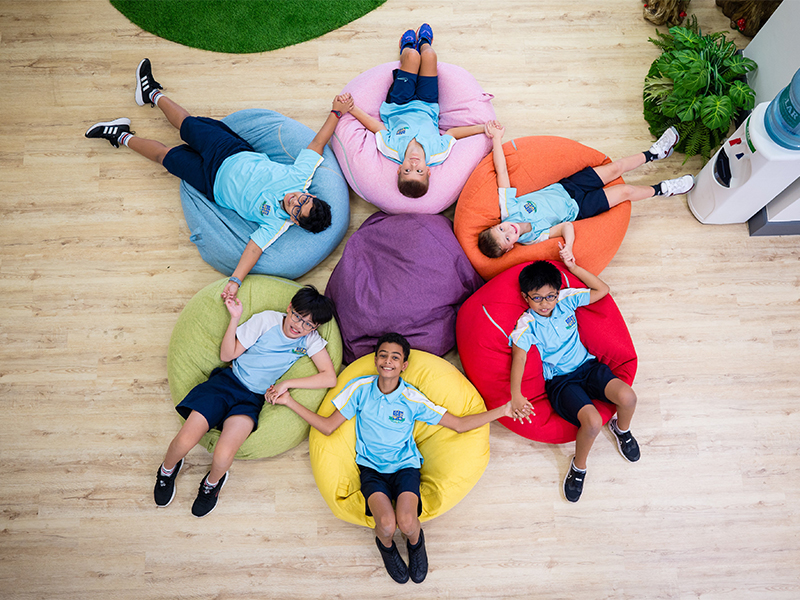
Inclusion is a whole-school culture. The environment at IIS is calm and sensory-aware, with spaces that reduce overload and support wellbeing, creating a setting where students feel safe, understood and ready to learn.
Class sizes are small, allowing for sufficient individual attention and visual support. Structured environments help promote independence.
Our staff are highly trained in inclusive pedagogy and neurodiversity-affirming practice. They use consistent, shared language and strategies across classrooms, and work collaboratively with therapists, psychologists and families. Most importantly, they see behaviour as communication.
What progress milestones or markers are parents kept updated on?
Progress is shared regularly, clearly and transparently. Parents are updated on:
- Academic progress including literacy, numeracy and subject-specific goals.
- Learning readiness skills including attention, engagement and task completion.
- Emotional and social development, self-regulation and peer interaction.
- Individual goals outlined in personalised learning or support plans.
- Transition readiness for next schooling stages. Updates may include written progress reports, parent teacher meetings, ongoing communication with the teaching team, and collaborative goal reviews.
Integrated International School is at #01-01 Capital Square Two, 21 Church Street.
6466 4475 | iis.edu.sg
This article about using the UDL framework for personalised learning needs and inclusive education at IIS first appeared in the April 2026 issue of Expat Living magazine. You can buy the latest mag or an annual subscription, or read the digital version for free now. Read more about the awards IIS has won for its student-centred learning here.
Interested in knowing about editorial options? Email us at [email protected].
Don't miss out on the latest events, news and
competitions by signing up to our newsletter!
"*" indicates required fields