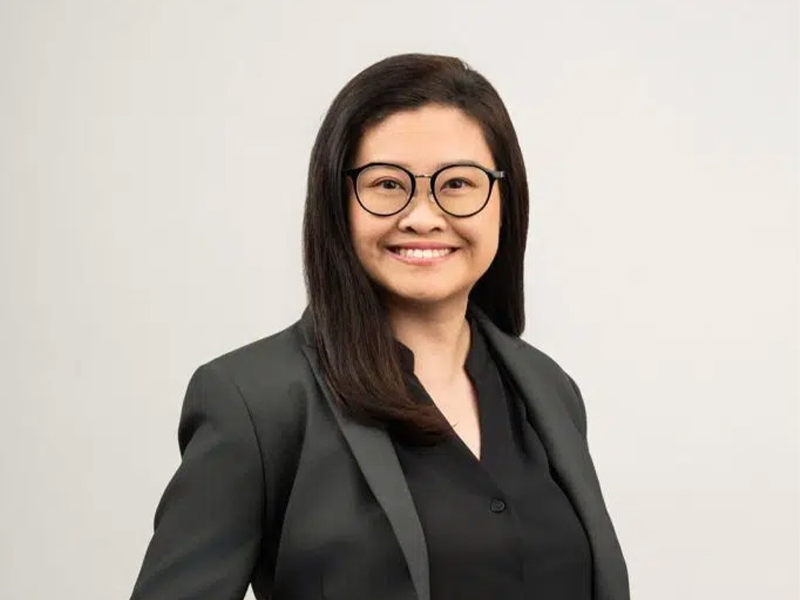
What exactly is personalised medicine and how does it work to make treatment more effective for different cancer types? DR VALERIE YANG, Senior Medical Oncologist at OncoCare Cancer Centre, answers a few of our questions on the topic.
What is personalised medicine and how is it different from traditional treatments for cancer?
Personalised medicine in cancer care refers to tailoring treatment to the individual characteristics of each patient’s cancer. Oncologists use information about the patient’s genes, proteins and other unique molecular characteristics (biomarkers) of the a tumour to guide decisions about prevention, diagnosis and treatment, rather than basing decisions solely on the cancer type (for example, “breast cancer”) and its particular stage.
Meanwhile, traditional treatments typically focus on where the cancer is located and what it looks like under a microscope. Treatments are chosen based on large population studies showing what works for the average person with that cancer type.
How does personalised medicine work in practice?
Doctors first conduct a physical examination and imaging scans to evaluate the extent of disease. If a patient is diagnosed with cancer, a sample of the tumour is taken. It is then sent for genomic testing, often using Next-Generation Sequencing, which can test for hundreds of genetic mutations and biomarkers at once.
Specialists analyse the results to create a unique genetic “fingerprint” of the cancer. Oncologists then match this to targeted therapies (drugs that block the action of a mutated protein driving the cancer’s growth) or immunotherapies (drugs that help the patient’s own immune system recognise and attack cancer cells). Treatment decisions are made collectively between doctor and patient. The patient’s response is closely monitored. If the cancer evolves, doctors may re-biopsy and re-test the tumour to find other effective treatments.
Can personalised medicine really improve outcomes?
Personalised treatment is especially helpful for complex cancer types, including pancreatic cancer, glioblastoma, metastatic melanoma, sarcomas or other cancers that have progressed past initial treatment. That’s because these cancers tend to be more heterogeneous, consisting of different cell types with different mutations and behaviours. They often exhibit aggressive growth patterns that make them harder to treat.
Personalised approaches allow oncologists to identify specific genetic and molecular features of the tumour and tailor therapies accordingly. This helps target rare mutations, predict resistance to drug therapies, refine chemotherapy regimens, guide immunotherapy decisions and better manage advanced metastasised cancers. For aggressive cancer types like glioblastoma and pancreatic cancer with poor survival rates, personalised treatment can identify therapies targeting the tumour’s specific molecular pathways, improving survival.
Do you help with the mental or psychological effects of cancer in patients too?
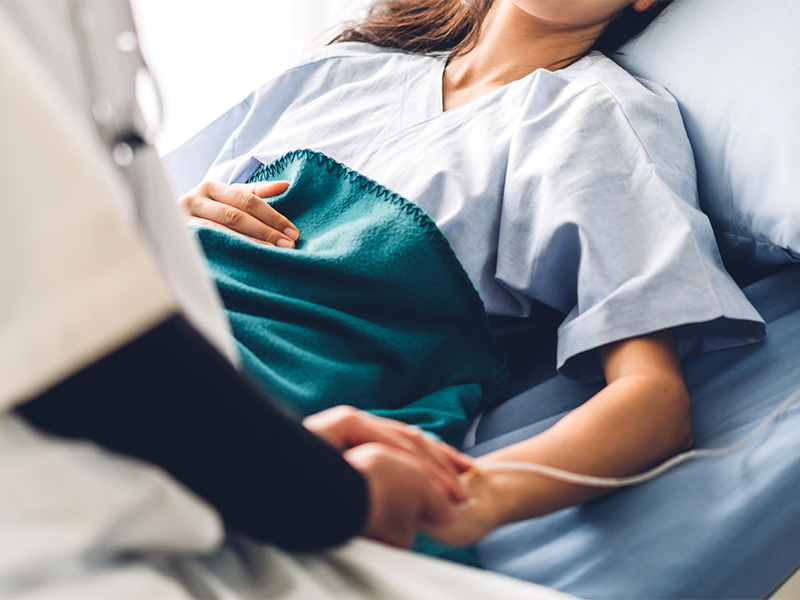
Absolutely. We published an important study showing that patients with rare and complex cancers suffer a higher psychological burden. Cancer doesn’t just impact the body; it has profound effects on emotional wellbeing. The mental health challenges that come with a cancer diagnosis, treatment and ongoing uncertainty can be overwhelming. The OncoCare Cancer Centre now offers psychosocial support teams who specialise in cancer-related mental health.
How can patients and families find out more about personalised treatment options?
First, consult with an oncologist who has experience in precision medicine and personalised cancer treatment. Ask about genetic tests, molecular profiling, targeted therapies and clinical trials. Patients can also research clinical trials, seek second opinions from other cancer centres, and connect with cancer support networks. Personalised treatments can be expensive, so discuss insurance coverage and available financial assistance programmes. Many cancer centres have financial counsellors who can help.
About the oncologist
Dr Valerie Yang is a Senior Medical Oncologist at OncoCare Cancer Centre with over 15 years of clinical experience. Holding MB/PhD degrees from the University of Cambridge, she also serves as Adjunct Assistant Professor at Duke-NUS Medical School and Principal Investigator at A*STAR. Her expertise includes rare cancers, sarcomas, skin cancers, melanomas, lymphomas and general oncology.
OncoCare Cancer Centre
Locations at Gleneagles, Gleneagles Annexe, Mount Elizabeth Novena, Mount Elizabeth Orchard, Mount Alvernia and Royal Square Medical Centre
6250 8160 | oncocare.sg | enquiries@oncocare.sg
This article on how personalised medicine works for different cancer types first appeared in the December 2025 edition of Expat Living. You can purchase the latest issue or subscribe so you never miss a copy!
Don't miss out on the latest events, news and
competitions by signing up to our newsletter!
By signing up, you'll receive our weekly newsletter and offers which you can update or unsubscribe to anytime.